


More news on this day
Nearly 150 passengers and crew on a Dutch-flagged expedition ship remain stranded off the coast of West Africa after a suspected hantavirus outbreak transformed a weeks-long Atlantic voyage into an extended medical and logistical emergency at sea.
Get the latest news straight to your inbox!
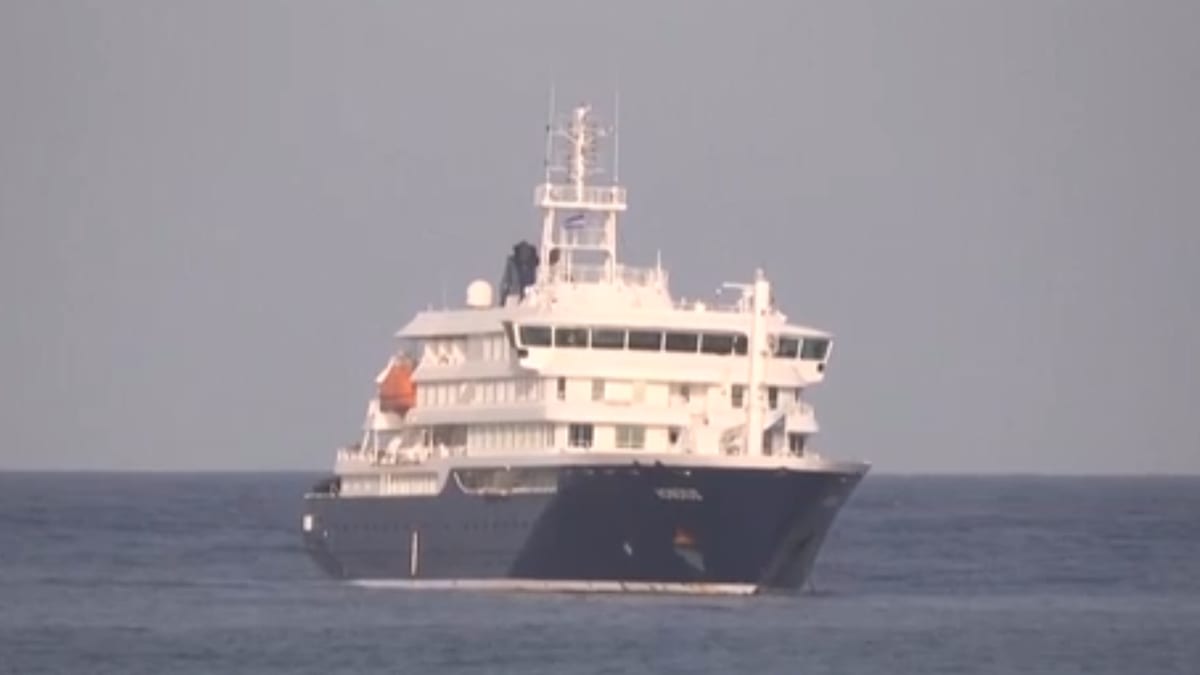
Dream Atlantic Odyssey Turns Into Prolonged Ordeal
The MV Hondius, an expedition cruise vessel operated by Oceanwide Expeditions, had been sailing a long Atlantic itinerary linking Ushuaia in southern Argentina with remote island destinations and the Cape Verde archipelago when the health crisis emerged in April. Publicly available information indicates that the first passenger developed serious symptoms in early April while the ship was far from major ports and specialized hospitals.
Reports compiled by international media and health agencies show that the passenger, a Dutch national, died on April 11 while the vessel was at sea. His body was later disembarked at Saint Helena, a remote British territory in the South Atlantic, where his spouse also left the ship. Subsequent illness among other guests and crew members prompted further testing and heightened concern on board.
By early May, at least three deaths had been linked to the voyage and additional suspected cases of hantavirus had been identified among passengers and crew, according to summaries issued by the World Health Organization and detailed coverage in European and African outlets. The ship’s Atlantic odyssey, marketed as a once-in-a-lifetime expedition through some of the world’s most isolated waters, instead became an extended quarantine at anchor near Cape Verde.
Passengers who had expected landings on distant islands and wildlife-rich shores instead found their movements restricted as shipboard medical teams, supported by external experts, focused on isolating symptomatic individuals and tracing potential chains of exposure. Accounts relayed in published coverage describe days spent largely in cabins, punctuated by announcements about evolving health protocols and port negotiations.
Medical Mystery and Confirmed Hantavirus Cases
Hantaviruses are a group of rodent-borne pathogens that can cause severe respiratory or hemorrhagic disease in humans, but outbreaks at sea are extremely rare. Information released through health agency updates and news reports indicates that at least two cases on the Hondius have been laboratory confirmed as hantavirus infections, with several more treated as probable based on symptoms and exposure histories.
Timelines compiled from publicly available documents suggest that illnesses on the ship were reported between early and late April, with patients experiencing high fever, gastrointestinal problems, and in the most serious instances, rapid progression to respiratory failure and shock. One British passenger was evacuated by air to South Africa in late April and remains in critical condition, according to subsequent reporting from national media in that country and Europe.
Health specialists quoted in coverage emphasize that hantavirus infections generally originate from contact with infected rodents or contaminated environments, most commonly on land. Background material released by the World Health Organization and national institutes notes that incubation periods can be long and that severe disease, while uncommon, can be life-threatening. In this context, several analyses in European press suggest that the initial infection may have been acquired during land travel in South America before embarkation, rather than on the ship itself.
As investigations continue, medical teams associated with the cruise operator and external authorities appear focused on monitoring everyone who may have had close contact with confirmed or suspected cases. Reports indicate that passengers without symptoms are being urged to self-monitor, while those with mild illness have been managed in isolation areas on board as capacity allows.
Port Refusals Deepen the Stranding Off West Africa
What began as a shipboard health emergency quickly evolved into a diplomatic and logistical standoff as the Hondius searched for a safe harbor. According to regional news and government statements summarized in international coverage, Cape Verde initially directed the vessel to remain offshore while local health services assessed the situation and options for medical evacuation.
Images published by outlets in Africa and Europe show the ship anchored off Praia, the Cape Verdean capital, with small craft transferring medical teams and a limited number of patients. However, large-scale disembarkation of passengers has not taken place, leaving most people confined to the vessel while port and health officials weigh the risks of bringing potentially exposed individuals ashore.
Subsequent reporting indicates that proposals to move the ship toward the Canary Islands, a Spanish archipelago in the Atlantic, have encountered political resistance. Coverage of public comments from regional leaders in Spain describes concern about admitting a vessel associated with a deadly outbreak without full assurance on containment measures, straining negotiations over where and how to allow the ship to dock.
The combination of medical caution, limited intensive care capacity on small island health systems, and political sensitivity around importing a rare but serious virus has left Hondius in a kind of maritime limbo. Passengers and crew find themselves dependent on shipboard resources while awaiting a clear plan for disembarkation and onward travel.
Life On Board: From Expedition Adventure to Managed Isolation
Accounts carried by international broadcasters and newspapers portray a shipboard atmosphere oscillating between anxiety and monotony. Passengers paying premium fares for an expedition cruise that can run into the tens of thousands of dollars now face prolonged days at anchor, largely confined to cabins or limited public spaces as distancing measures remain in place.
Reports indicate that crew members have implemented strict cleaning and hygiene protocols, with staff wearing protective equipment in high-risk zones and medical teams conducting regular checks on those under observation. Mealtimes and recreational activities have reportedly been adjusted to reduce crowding, with some coverage describing staggered dining schedules and curtailed group events.
Despite the disruption, several media profiles of travelers on board suggest that many passengers are trying to maintain routines, taking in ocean views from decks when permitted and following updates from family, friends, and news outlets via intermittent connectivity. At the same time, uncertainty about the eventual disembarkation point and timing continues to weigh on guests who must rearrange international flights, tours, and other post-cruise plans.
The crew, many of whom face their own concerns about exposure and extended contracts, are reported to be juggling operational duties with additional health and sanitation responsibilities. Industry observers note that such dual pressures are especially acute on smaller expedition vessels, which rely on tight-knit teams and typically operate far from ports with robust medical infrastructure.
Broader Questions for the Cruise and Expedition Sector
The Hondius incident arrives at a time when the cruise sector is still refining its response frameworks for infectious disease after the global disruptions of recent years. Analysts interviewed in published reports suggest that a rare pathogen like hantavirus presents different challenges from more familiar respiratory viruses, particularly in terms of detection, isolation, and the logistics of evacuation from remote waters.
Travel and industry publications note that expedition cruises to polar and ultra-remote destinations have expanded rapidly, attracting travelers willing to pay high prices for long itineraries that traverse lightly populated regions. The trade-off, highlighted by the current crisis, is reduced access to shore-based medical facilities and a heavier reliance on shipboard clinics and emergency evacuation arrangements if serious illness occurs.
Background materials from cruise lines and specialist insurers indicate that medical evacuation coverage, port-of-refuge agreements, and contingency planning for outbreaks are drawing renewed scrutiny. Reports on booking trends suggest that prospective passengers considering lengthy expedition voyages are paying closer attention to contract terms involving health incidents, quarantine, and repatriation.
For destination countries, particularly island states with limited hospital capacity, the Hondius episode underscores the tension between tourism revenue and the risk of absorbing a shipwide health crisis. Commentators in African and European media point out that smaller nations face intense pressure when deciding whether to accept a vessel associated with a contagious illness, especially when case numbers are evolving and scientific understanding of the specific outbreak is still developing.
As the ship remains offshore awaiting a definitive port solution, the situation continues to evolve, with additional testing, monitoring, and diplomatic discussions underway. For the nearly 150 people still on board, the priority remains finding a safe route back to land after a voyage that has come to symbolize both the appeal and the inherent vulnerability of remote-region cruising.