


More news on this day
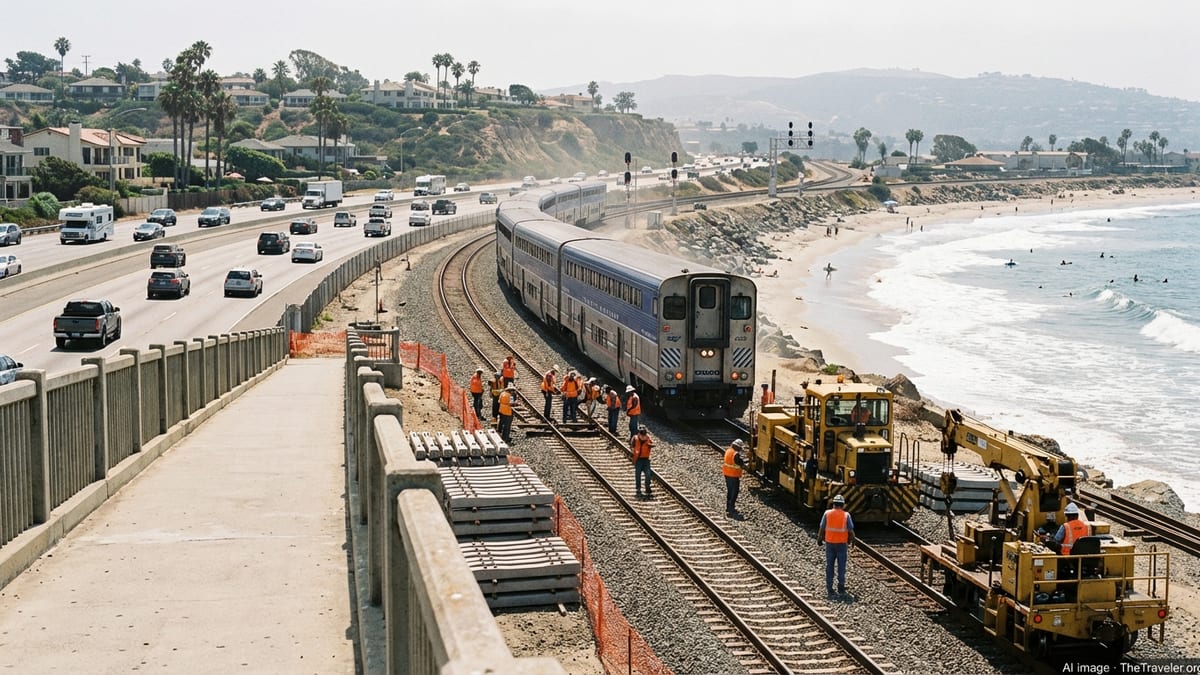
Passengers on Bangladesh Railway’s Haor Express service between Dhaka and Mohanganj faced extended delays and uncertainty at Mohanganj station after a disruption on the busy Dhaka–Mymensingh–Netrokona corridor left the intercity train stranded and rail movements severely curtailed.
Get the latest news straight to your inbox!
Stranded Passengers at a Key Haor Gateway
Mohanganj station, in Netrokona’s haor region, is the terminus for the Haor Express intercity train linking Dhaka with one of Bangladesh’s most waterlogged landscapes. When the Dhaka-bound service is delayed or halted at Mohanganj, onward journeys for hundreds of passengers are immediately thrown into doubt, as onward buses and boats connecting remote haor villages often operate on tight schedules.
Published coverage from recent years shows how quickly disruption can unfold on this route. In June 2022, a Dhaka-bound Haor Express was stuck at Mohanganj after floodwaters damaged a nearby railway bridge and snapped rail communication with the rest of the country, leaving travelers unable to depart on time. Reports from that episode describe passengers waiting at the platform without clarity on when or how the train could safely move out.
For many travelers, especially those heading to Dhaka for work, medical appointments, or onward flights, a prolonged delay at Mohanganj station means missed connections and added cost. With limited alternative transport options available directly from the station, passengers are often left weighing whether to wait out the disruption or attempt a complex route by road and local boats across the low-lying haor basin.
Even when services eventually resume, congestion on board can intensify. Video footage and traveler-generated content over several seasons depict Haor Express coaches operating near or beyond capacity on busy days, suggesting that any interruption in the timetable quickly cascades into crowding and further discomfort for stranded passengers.
Floodwater Damage and Infrastructure Vulnerability
The Dhaka–Mohanganj line has repeatedly shown how exposed rail operations are to the region’s seasonal extremes. In mid June 2022, heavy monsoon rain and strong currents in Netrokona’s rivers and canals undermined the soil supporting a rail bridge between Mohanganj and Atitpur. Sections of the bridge were washed away, immediately cutting off train communication with Netrokona and forcing the Haor Express to remain at or near Mohanganj station.
According to detailed local reporting, that same incident left another local service that had left Mymensingh stranded on the route. With the bridge compromised, both inbound and outbound trains were unable to proceed, and railway staff had to wait for engineering assessments and emergency repair planning before any traffic could move again. For passengers at Mohanganj, that translated into an open-ended wait inside carriages and on crowded platforms.
Such bridge failures highlight the structural vulnerability of this corridor. The track to Mohanganj runs across a landscape crisscrossed by water bodies and embankments that are regularly battered by flooding. When supporting soil is washed out or embankments subside, rails and structures can become unsafe at short notice, making sudden delays or stoppages far more likely just as passenger demand rises during the monsoon and festival periods.
Publicly available information on the station and route indicates that Mohanganj is served primarily by a small number of intercity trains, including the Haor Express running as train numbers 777 and 778. When even one of these services is disrupted, residents lose a critical lifeline to Dhaka, underscoring the importance of resilient infrastructure in this flood-prone part of the country.
Knock-on Effects Across the Dhaka–Mymensingh Network
The impact of a stalled Haor Express at Mohanganj is rarely confined to a single station. The Dhaka–Mymensingh line is among Bangladesh’s busiest rail corridors, and disruptions on any section often trigger broader delays and cancellations. In one high-profile case in late 2025, a derailment and engineering works near Mymensingh forced Bangladesh Railway to suspend multiple services and temporarily reroute trains via Kishoreganj and Bhairab, with the Haor Express among the intercity trains cancelled.
When trains along the corridor are halted for hours, platforms from Kamalapur in Dhaka to Netrokona’s smaller intermediate stations quickly fill with waiting travelers. Published coverage of recent years describes round after round of delays tied to aging rolling stock, track defects, and weather events, leaving thousands of passengers stranded across different stops on the line or on board motionless trains.
For Haor Express passengers stranded at Mohanganj, these network-wide disruptions mean that even once the local problem is resolved, the timetable for onward segments may remain unstable. Trains may have to await path clearance, replacement locomotives, or track inspections along other stretches, prolonging the wait for those at the far end of the line.
Observers of the network have pointed to a combination of aging locomotives, deferred track rehabilitation, and limited redundancy as key factors behind repeated breakdowns and stoppages. Calls for comprehensive upgrades along the Mymensingh corridor, including the section that serves Mohanganj and other haor-side stations, have grown louder as each new disruption strands more passengers.
Travel Planning in an Uncertain Operating Environment
For travelers considering the Haor Express, the recurring pattern of delays and sudden stoppages on the Dhaka–Mohanganj route underscores the need for careful planning. Rail schedules published by specialist timetable platforms indicate that the intercity service typically runs daily except for designated weekly off-days, with set departure and arrival slots at Dhaka’s Kamalapur station, Mymensingh, and Mohanganj.
However, real-world operations sometimes diverge sharply from the printed timetable when infrastructure failures, flooding, or rolling stock issues intervene. Third-party tracking sites and passenger forums dedicated to Bangladesh’s railway network encourage riders to check live running information and crowd-sourced updates shortly before departure, particularly in the monsoon season when Netrokona’s bridges and embankments come under the greatest strain.
Travel-news observers also note that refunds and rebooking options can become relevant when interruptions are prolonged. During past cancellations along the Dhaka–Mymensingh line, including periods when the Haor Express was unable to run at all, Bangladesh Railway publicly encouraged passengers with advance tickets to use online systems to claim refunds. While such measures offer some financial relief, they do little to ease the practical difficulties for travelers already stranded at remote outlying stations like Mohanganj.
For now, passengers heading to and from the haor region remain heavily dependent on a small number of intercity services. Until sustained improvements in track resilience, bridge protection, and locomotive reliability are realized on the Dhaka–Mohanganj corridor, episodes in which the Haor Express is delayed at Mohanganj station and travelers are left waiting on crowded platforms may continue to feature in Bangladesh’s rail travel landscape.
The Daily Star: Floodwaters wash away bridge, cut rail connection with Netrokona
Dhaka Tribune: Netrokona flood and rail communication disruption
BD Train Info: Haor Express train schedule and route details
Daily Waadaa: Disruptions on the Dhaka–Mymensingh rail route