


More news on this day
Hazardous materials teams have given the all clear following a major freight train derailment in Bensalem, Pennsylvania, easing fears of toxic leaks and allowing nearby travel and daily life to begin returning to normal.
Get the latest news straight to your inbox!
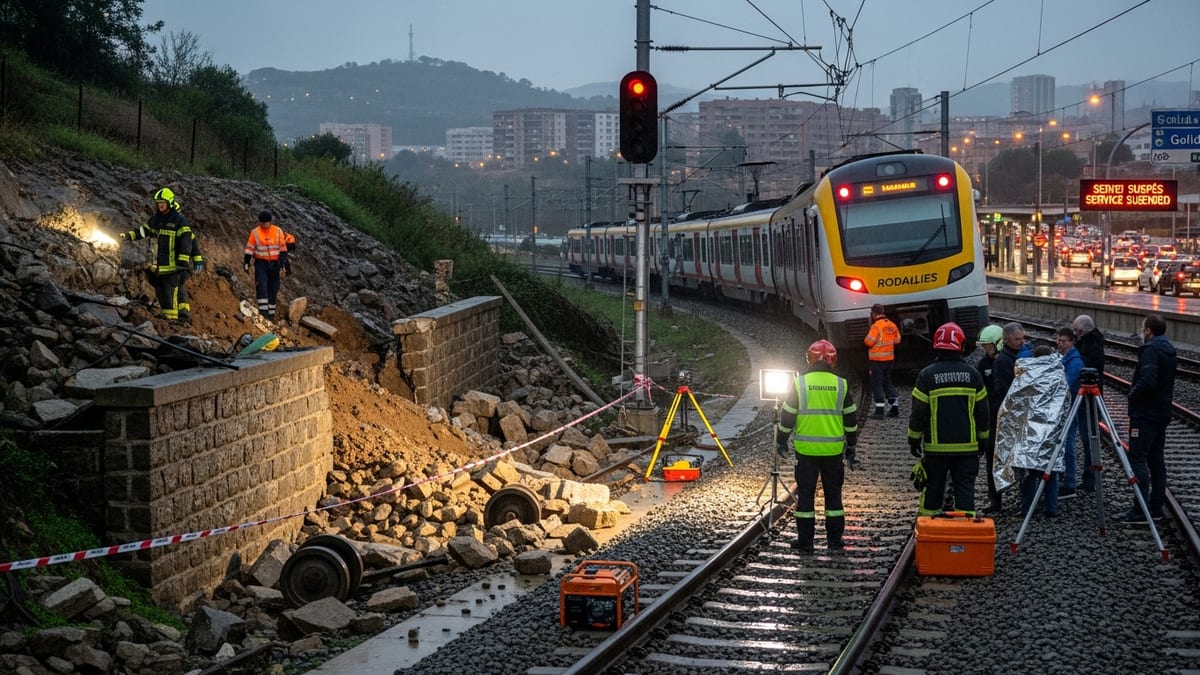
Derailment halts rail traffic near busy corridor
The derailment occurred Tuesday afternoon between Street Road and the Neshaminy Falls train station in Bensalem Township, a heavily traveled section of rail in Bucks County used by freight trains moving through the greater Philadelphia region. Initial reports described a chaotic scene, with multiple freight cars jackknifed or overturned along the tracks.
Local coverage indicates that roughly a dozen to more than a dozen cars left the tracks, disrupting rail movements and prompting an immediate emergency response. The incident unfolded close to residential neighborhoods, commercial areas and key commuter routes linking Philadelphia and suburban communities, intensifying public concern as images of toppled cars spread across news and social channels.
Rail operations through the affected stretch were halted while responders secured the scene and rail companies began planning heavy recovery work. Passengers using nearby commuter rail stations were advised to expect delays, detours and heavier road traffic as the rail shutdown rippled across the corridor.
Travelers in and around Bensalem, including drivers on major roads that cross or parallel the tracks, encountered congestion as police and emergency crews restricted access and redirected vehicles away from the derailment zone.
Shelter-in-place orders and hazmat response
In the hours immediately following the derailment, Bensalem Township issued a shelter-in-place directive for nearby residents as a precaution. Publicly available information shows that emergency managers acted out of concern about possible hazardous materials among the derailed cars and the potential for leaks into the air or surrounding environment.
Hazmat teams were dispatched to the corridor to inspect the train’s consist and the damaged tank and box cars. Teams conducted air monitoring and visual inspections around the rail line and neighboring streets, looking for signs of chemical releases or other safety threats. According to published coverage, responders initially treated the scene as a high-risk incident while they worked to identify what each affected car had been carrying.
The shelter-in-place guidance led residents and businesses close to the tracks to stay indoors and limit movement, particularly in the blocks near the Neshaminy Falls station. For several hours, the normally busy stretch saw little pedestrian activity as people waited for updates on whether hazardous cargo had been compromised.
As information accumulated from the inspections and monitoring, emergency notifications began shifting toward reassurance, signaling that the highest level of concern was easing.
All clear on hazardous materials and return to homes
By later in the day, hazmat teams had completed their surveys and publicly available reports indicated that no hazardous materials had leaked from the derailed cars. Coverage from local and national outlets states that testing did not detect concerning levels of airborne contaminants and that the freight consist did not experience a release that would threaten nearby neighborhoods.
On the basis of that assessment, the earlier shelter-in-place directive and evacuation advisories were lifted. Residents who had temporarily left the area or confined themselves indoors were told they could resume normal activity, and businesses close to the tracks began reopening. Roads that had been blocked to keep traffic clear for emergency vehicles gradually reopened as the incident moved from active response into cleanup and recovery.
For travelers and commuters, the all clear on hazardous materials meant that any remaining impacts were largely logistical rather than safety related. Drivers continued to experience backups around the affected crossroads while heavy equipment and rail crews worked at the site, but the immediate fear of a toxic release subsided.
Reports also indicate that there were no serious injuries linked to the derailment, a fact that contributed to the incident being framed as a significant disruption yet ultimately a near miss from the standpoint of public health.
Cleanup operations and rail recovery timeline
With the hazmat risk resolved, focus has turned to righting and removing the damaged railcars and repairing track infrastructure. Freight operators and contractors are expected to work through coming days to clear the line, cut apart damaged cars if necessary and replace track, ballast and signaling equipment affected by the derailment.
Travelers in the region can expect intermittent closures around the rail crossing points while cranes and specialized rail recovery equipment are brought in. These operations often require temporary lane restrictions on nearby roads to allow for staging of heavy machinery and debris removal, which can create recurring backups at key intersections.
Rail traffic through the corridor is likely to remain limited until inspections confirm that repairs meet federal standards. Freight trains that typically use the route may be rerouted along alternate lines, potentially affecting schedules and capacity across a wider area of the Northeast rail network.
Publicly available information from past derailments in Pennsylvania suggests that full restoration of a heavily damaged section of track can range from several days to multiple weeks, depending on the number of cars involved, the extent of ground disturbance and the complexity of track geometry in the affected location.
Safety concerns and implications for travelers
The Bensalem derailment comes at a time of heightened public sensitivity around freight rail safety and the movement of hazardous materials through residential and suburban communities. High profile incidents in recent years have focused attention on tank car design, track maintenance, train length and crew practices, and travelers are increasingly aware that freight routes often run close to homes, highways and commuter hubs.
For visitors and residents using rail and road networks in Pennsylvania, the incident serves as a reminder that transportation disruptions from freight events can be sudden and far reaching. Even when no hazardous materials are released, a derailment near key junctions can cause cascading delays across passenger rail service, bus connections and major highways.
Travelers planning trips through the greater Philadelphia and Bucks County area in the coming days may wish to build in extra time, particularly during peak hours, in case cleanup activity continues to affect traffic around Street Road and the Neshaminy Falls station. Alternate routes and flexibility in departure times can help mitigate congestion related to ongoing rail work.
At the same time, the all clear from hazmat teams and the lack of reported injuries underscore how rapid, coordinated response can limit the most serious consequences of a derailment. For now, Bensalem and neighboring communities are working through the logistical aftermath while broader debates over rail safety and hazardous materials transport continue at the state and national levels.