


More news on this day
Europe’s peak travel season is colliding with a new wave of extreme heat, as Italy joins France, Spain, the United Kingdom, Germany, Portugal, Belgium and other countries in issuing high-level heat alerts that are disrupting flights, restricting outdoor tourism and raising fresh questions about visitor safety in a rapidly warming climate.
Get the latest news straight to your inbox!
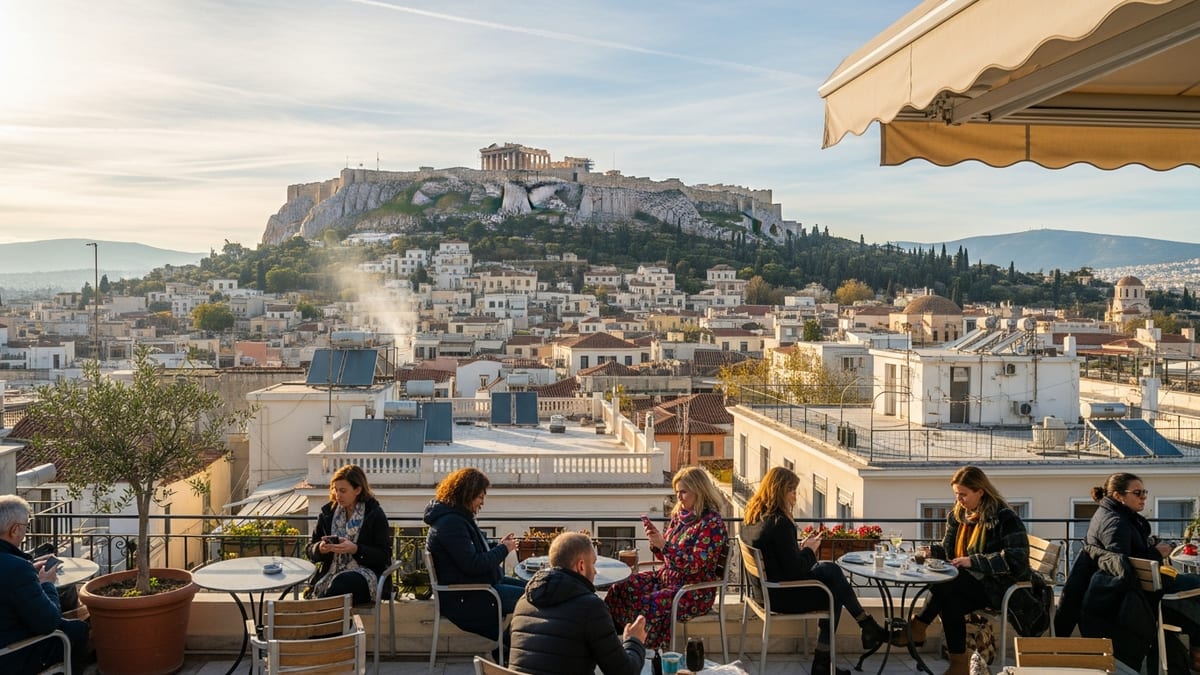
Red Heat Alerts Expand From France To Italy And Beyond
Publicly available information from national meteorological agencies and European climate services shows that an intense heatwave which first gripped parts of western Europe in late May has intensified again in June, pushing temperatures well above seasonal norms from the Mediterranean to the North Sea. France has placed the majority of its departments under top-tier heat alerts, with reports indicating that current daytime readings in some regions are rivaling historic episodes such as 2003 and 2019.
Italy, already accustomed to summer heat, has joined the list of countries activating the highest levels of heat alert in major cities and coastal destinations. Local bulletins in recent days highlight temperatures in popular city-break stops and resorts that exceed thresholds considered safe for prolonged outdoor activity, prompting health advisories aimed at residents and visitors alike.
Spain and Portugal, where early summer temperatures are being amplified by a concurrent marine heatwave in parts of the Atlantic and Mediterranean, are also reporting extended periods of extreme heat. According to recent climate monitoring summaries, these conditions are consistent with a multi-year pattern in which southern and western Europe experience longer, more frequent and more intense heatwaves, often coinciding with the main tourism months.
In central and northern Europe, Germany, Belgium and the United Kingdom are now being drawn into the same heat dome. National warning systems in these countries, which added specific extreme heat categories only in the past few years, have escalated from lower to higher levels as forecasts point to several consecutive days of unusually high daytime and overnight temperatures.
Flights, Rail Links And Urban Mobility Under Strain
The surge in temperatures is increasingly spilling over into Europe’s transport networks, a critical backbone for tourism during the peak holiday period. Historical impact assessments released by weather services and transport operators after previous extreme heat events show that rail lines can buckle, airport tarmac can soften and air density changes can affect aircraft performance, all of which can slow or disrupt travel.
This summer’s conditions are already producing similar effects. Airport notice boards and airline customer updates in affected countries point to heat-related schedule changes on some routes, including delayed departures during mid-afternoon peaks and last-minute runway inspections. In several hubs, carriers are advising passengers to monitor flight status closely and to allow additional time for check-in and security.
Rail operators in France, Spain, Germany and the UK have also begun adjusting services on certain high-risk stretches of track. Based on public timetable updates, these measures range from speed restrictions on exposed lines to pre-emptive cancellations of some daytime trains, particularly on long-distance or cross-border routes popular with tourists. Urban transit systems in major cities are deploying extra staff and issuing warnings about overcrowding and heat stress in older subway and tram networks with limited air conditioning.
Road travel is facing its own challenges, with motoring organizations across Europe publishing guidance on vehicle overheating and advising drivers to avoid non-essential journeys during the hottest hours. For travelers who rely on rental cars to reach coastal resorts and rural areas, this raises the prospect of longer journey times and an increased risk of breakdowns during the core holiday window.
Tourist Hotspots Impose Midday Bans And Adjust Opening Hours
As the heat persists, local and regional administrations in tourism-heavy areas are tightening outdoor restrictions that directly affect visitor itineraries. In parts of France and Spain, municipalities have introduced time-limited closures of parks, forest trails and some archaeological or heritage sites during the hottest hours, citing elevated fire risk and health concerns. Public notices also describe the temporary suspension of large outdoor events, including local festivals that typically draw international visitors.
Italian cities and resort towns are likewise recalibrating their summer routines. Museums, religious sites and cultural attractions in destinations such as Rome, Florence and coastal hotspots are extending early-morning or late-evening opening slots while scaling back access in the mid-afternoon. Local tourism boards are promoting shaded walking routes, indoor cultural activities and waterfront areas with monitored swimming zones as safer alternatives to prolonged sightseeing on exposed streets and plazas.
Beach destinations across Portugal, Spain and southern Italy are adapting as well. Lifeguard services and civil protection bulletins emphasize the combined risks of extreme heat and high UV levels, urging visitors to avoid midday sun and to recognize signs of heat exhaustion. In some locations, operators of outdoor adventure activities, from hiking excursions to canyoning and cycling tours, have begun shifting departures to dawn and dusk or cancelling outings entirely on the most intense days.
Urban tourism centers in Germany, Belgium and the UK are also adjusting, with a growing number of attractions publishing heat contingency plans. These include expanded shaded waiting areas, additional water refill points and modified queue management to limit time spent in direct sun, measures that are becoming standard across major European city-break destinations.
Rising Safety Concerns For Travelers In A Warming Climate
Behind the immediate disruptions lies a deeper concern about visitor safety as extreme heat episodes become a recurrent feature of European summers. Research collated by the Copernicus Climate Change Service and other scientific bodies in recent years concludes that Europe is warming faster than many other regions, with a marked increase in the frequency and duration of heatwaves, especially in western and southern parts of the continent.
Health agencies across France, Italy, Spain, Germany, Portugal, Belgium and the UK are therefore using this latest heatwave to reiterate guidance for residents and tourists. Public campaigns stress the importance of staying hydrated, seeking air-conditioned spaces, checking on vulnerable individuals and recognizing early symptoms of heat-related illness. For international visitors who may be unfamiliar with local alert systems, travel industry updates are increasingly translating and amplifying these messages.
Travel insurers and booking platforms are also beginning to factor extreme heat into their risk communications. Policy documents and advisory bulletins note that heatwaves can affect not only personal health but also the reliability of transport schedules and access to attractions, potentially influencing coverage conditions and traveler rights in cases of disruption. Industry analysts suggest that clear information on these issues is becoming a competitive differentiator for operators targeting climate-conscious travelers.
For tourism-dependent regions, the safety dimension is inseparable from long-term economic resilience. Climate suitability indicators for tourism compiled at the European level project that many Mediterranean destinations will face more frequent periods when daytime conditions are uncomfortable or unsafe for standard sightseeing and outdoor recreation, highlighting the need for adaptation strategies that protect both residents and visitors.
Europe’s Tourism Model Faces A Heat-Driven Reset
The current wave of disruptions is adding weight to calls for a structural rethink of how and when people travel to Europe. Destination marketers and local governments are increasingly promoting shoulder-season visits in spring and autumn, positioning them as more comfortable and reliable periods for city exploration and outdoor activities as summers become more volatile.
Some city authorities in Italy, France and Spain are using the present heatwave to accelerate investments in cooling infrastructure, including tree planting, shaded public spaces and retrofitting of public buildings and transit stops. Tourism promotion materials are gradually incorporating these adaptation projects as selling points, presenting cities not just as heritage-rich, but also as better prepared for climate extremes.
At the same time, northern and higher-altitude regions of Europe, from Alpine areas to coastal stretches of the North Sea and Atlantic, may gain relative attractiveness during the hottest weeks. Recent assessments of climate suitability for tourism suggest a gradual shift in seasonal patterns, with more visitors potentially seeking cooler alternatives to traditional Mediterranean beach holidays at the height of summer.
For now, however, the focus for travelers heading to Italy, France, Spain, the UK, Germany, Portugal, Belgium and neighboring countries is immediate: monitoring official heat alerts, remaining flexible with itineraries, and recognizing that Europe’s classic summer holiday experience is being reshaped by temperatures that, increasingly, are testing the limits of people, infrastructure and long-established tourism habits.