


More news on this day
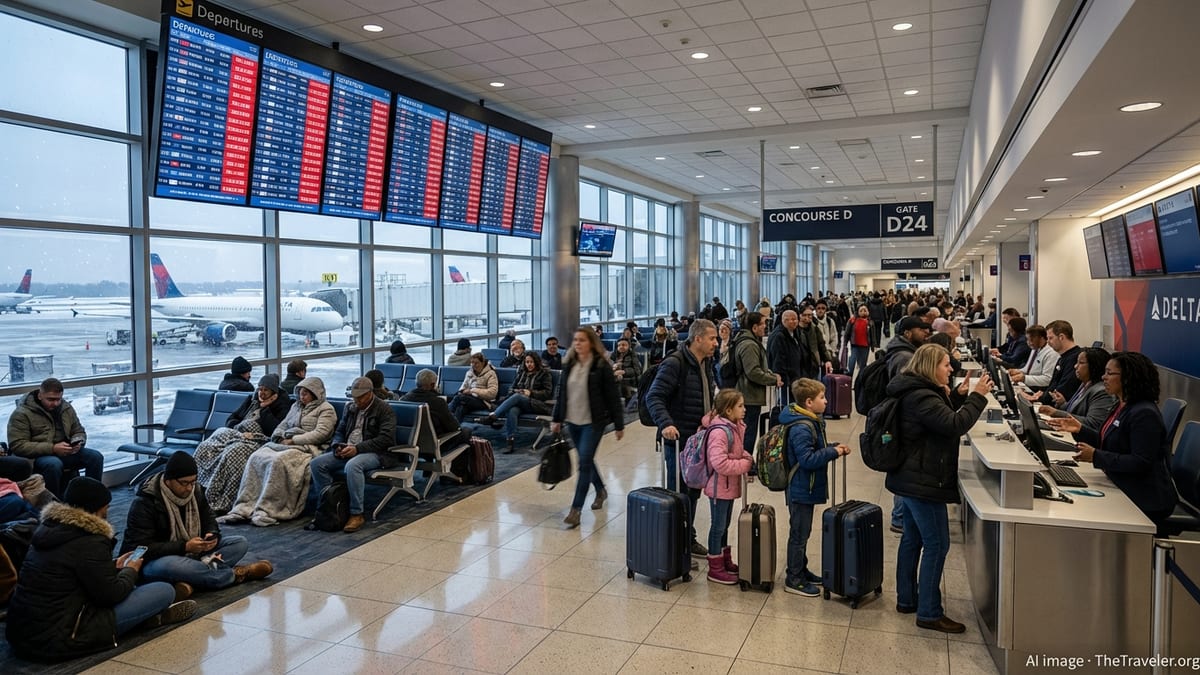
Heavy rain and thunderstorms sweeping inland across the Houston area on June 16 are disrupting operations at George Bush Intercontinental and William P. Hobby airports, with flight trackers and federal aviation data showing mounting delays as airlines slow departures and arrivals for safety.
Get the latest news straight to your inbox!
Storm System Brings Soaking Rains and Flash-Flood Risk
Weather data for Houston shows bands of intense rainfall spreading from the coast across the metro area, reducing visibility and creating challenging conditions for airport operations. Observations at Hobby Airport on June 15 already recorded periods of heavy rain and mist, and forecasters expect similar or stronger downpours as the system continues inland on June 16.
Publicly available warnings highlight flash-flood alerts across a broad swath of southeast Texas, including Harris County, where both Bush Intercontinental and Hobby airports are located. Rain gauges and radar estimates indicate several inches of rain in some neighborhoods in a short period, raising the risk of water pooling on runways, taxiways and access roads.
The same unstable pattern has triggered disruptive storms elsewhere in the state in recent days, with large numbers of delays and cancellations reported at other major Texas hubs over the weekend. For Houston travelers, this broader setup means there is potential for cascading knock-on effects, even on flights that are not scheduled to fly directly through the heaviest rain bands.
Forecasters caution that the slow-moving nature of the system could keep showers and thunderstorms lingering over the region into the evening, prolonging the window for aviation disruptions at both of the city’s commercial airports.
Delays Building at Bush Intercontinental
Operational status information from the Federal Aviation Administration indicates that George Bush Intercontinental has been handling periods of gate holds and taxi delays as thunderstorms pass over the area. Recent advisories point to airport scheduling delays in Houston, with some departure windows facing average slowdowns of around half an hour as traffic managers meter the flow of aircraft into and out of congested airspace.
Industry trackers that compile airline and airport performance show that Bush Intercontinental, already known for weather-driven slowdowns, has seen a noticeable uptick in late departures in mid-June. Construction and capacity constraints documented in federal airport performance reports mean the Houston hub can be particularly sensitive to thunderstorm clusters, which leave less margin to recover when flights stack up.
Airlines operating at Bush Intercontinental have started issuing flexible travel policies tied to the latest round of severe weather in Houston. Publicly posted waivers allow some passengers scheduled to travel through the hub between June 16 and June 17 to rebook without change fees, signaling that carriers anticipate ongoing disruption as the rain continues inland.
Passengers connecting through Bush Intercontinental on multi-leg itineraries are likely to feel the effects most sharply, as even modest delays on inbound flights can cause missed connections and aircraft rotations that ripple through the network for several hours.
Hobby Airport Also Seeing Weather-Related Slowdowns
While Bush Intercontinental handles the bulk of Houston’s long-haul and international traffic, William P. Hobby Airport is experiencing its own weather challenges as the storms move inland. Surface observations at Hobby during the latest downpours show heavy rain reducing visibility and creating wet runway conditions that require wider spacing between aircraft movements.
Hobby historically sees fewer large-scale ground stops than Bush, but its role as a critical base for domestic and short-haul carriers means even modest slowdowns have an immediate impact on travelers heading to and from nearby states and popular leisure destinations. When coastal storms track directly across south and east Houston, departures at Hobby can bunch up as pilots and controllers wait for safer gaps in lightning and intense rainfall.
Travelers using Hobby on June 16 report longer than usual turnaround times at the gate as airlines adjust boarding and pushback procedures during heavier bursts of rain. In some cases, aircraft are held on the ramp while crews monitor radar for the most active thunderstorm cells and ensure ramp operations remain within safety thresholds.
Given Hobby’s closer proximity to low-lying neighborhoods and bayous, the risk of localized street flooding near the airport can also complicate access for passengers and staff, particularly during the afternoon and evening peak when rainfall rates are highest.
What Travelers Flying Through Houston Should Expect
For passengers scheduled to depart from or connect through Bush Intercontinental or Hobby, publicly available tools point to a day of rolling delays rather than a single, short-lived ground stop. Federal aviation dashboards show general delays rather than destination-specific restrictions, suggesting that the primary issue is the overall pace of arrivals and departures as controllers work around the heaviest cells.
Airline status pages and independent flight-tracking services indicate a pattern of gradual pushbacks in departure times, often starting with 30- to 60-minute delays that can expand if subsequent storms develop over key approach paths. Many carriers advise travelers to monitor their flight numbers frequently on the day of travel, since schedules may be adjusted several times as conditions evolve.
Travel discussion forums and recent travel-waiver announcements underscore that passengers who can shift their trips by a day or move to earlier or later flights within the waiver window may have a better chance of avoiding the most congested periods. Flexible tickets and same-day confirmed changes, where available, can help travelers adapt to changing weather conditions without incurring additional costs.
Those unable to change plans should anticipate crowded terminals and longer lines at check-in, security and customer service desks, as multiple delayed flights converge on the same departure banks. Travelers are advised to arrive early, keep essential items such as medications and chargers in carry-on bags, and build extra time into any connections that involve leaving the airport and returning later in the day.
Outlook for the Remainder of the Week
Meteorological outlooks suggest that the heavy rain affecting Houston on June 16 is part of a broader multi-day pattern, with saturated ground and warm, unstable air supporting additional rounds of showers and storms through midweek. While not every cell will produce airport-level disruption, the cumulative effect of repeated downpours increases the likelihood of intermittent delays at both Bush Intercontinental and Hobby.
Historical storm summaries for the Houston region show that June is often marked by clusters of slow-moving thunderstorms capable of producing several inches of rain in a matter of hours. When these systems align with peak travel periods, airports across the region can see a noticeable rise in airborne holding, diversions and late arrivals that push into the late evening.
Aviation performance analyses for early 2026 have already flagged Houston’s main hub as a location where construction-related capacity limits amplify the impact of adverse weather, making rapid recovery from disruptions more difficult. With summer travel demand building and aircraft operating near full loads, even short-lived thunderstorms can create delays that spill into subsequent days.
Travelers with flights scheduled through Houston later in the week are encouraged to keep an eye on updated forecasts and airline advisories. If the heaviest rain shifts east or weakens, operations at Bush Intercontinental and Hobby could gradually return closer to normal, but the next 24 to 48 hours are likely to remain challenging for those passing through one of the Gulf Coast’s busiest air corridors.