


More news on this day
A broad coalition of immigrant and human rights organizations has issued a rare travel advisory for visitors to the United States, warning that current immigration and policing policies could place many travelers at heightened risk, particularly ahead of the 2026 men’s World Cup.
Get the latest news straight to your inbox!
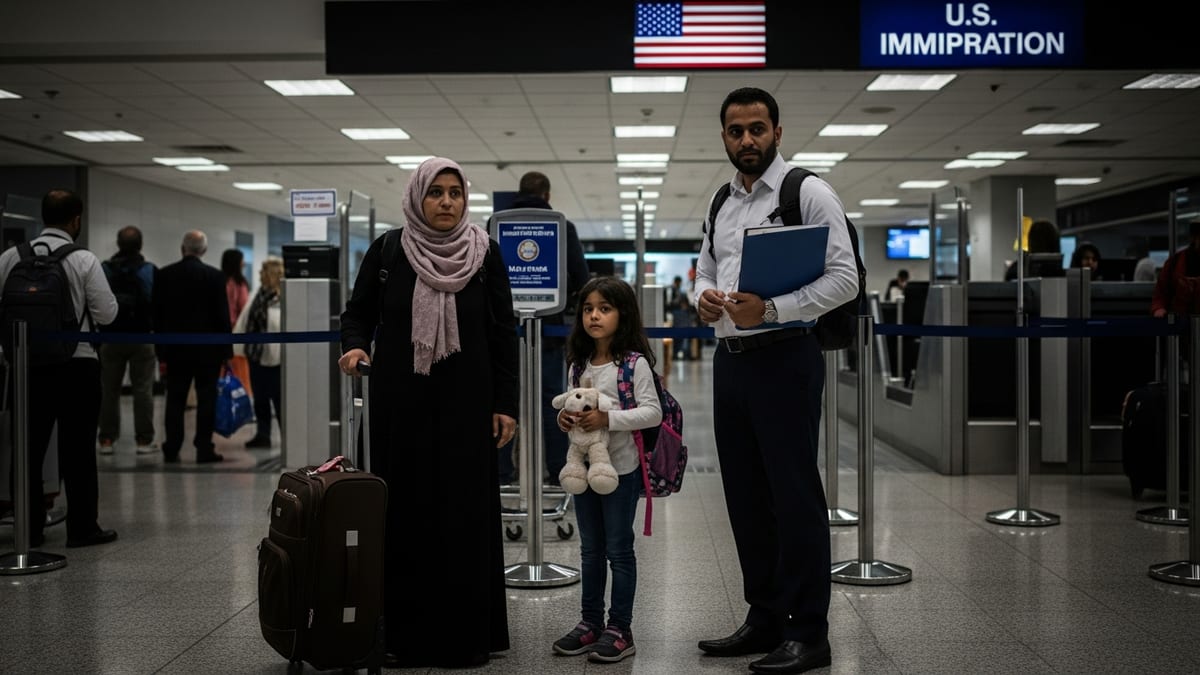
Coalition Warns of Heightened Risks for Travelers
The new advisory, released this spring by more than one hundred civil society and immigrant rights groups, urges potential visitors to the United States to weigh the country’s current human rights climate when planning trips. According to publicly available documents, the groups highlight what they describe as an erosion of civil liberties, aggressive immigration enforcement, and inconsistent treatment of noncitizens at airports and land borders.
The advisory is notable because it is aimed not only at tourists but also at players, fans, journalists, and workers expected to arrive for the 2026 men’s World Cup, which will bring millions of visitors to host cities across the United States. Organizers argue that large international events can amplify existing inequalities, and they point to ongoing protests against immigration detention and deportation policies as context for the warning.
Rather than calling for a boycott, the document encourages travelers to make informed decisions, prepare thoroughly, and understand that experiences can vary significantly depending on nationality, immigration status, race, and perceived political views. It frames the United States as a destination where many visitors travel without incident, while emphasizing that certain groups may face disproportionate scrutiny.
Why Advocates Say the Advisory Is Necessary Now
Rights organizations behind the advisory cite several overlapping trends that, in their view, justify issuing a warning at this particular moment. Public statements from these groups point to expanded use of immigration detention, increased cooperation between local law enforcement and federal immigration agencies in some states, and a series of high profile enforcement incidents at airports.
Separate reports from local media and legal aid groups describe recent cases in which noncitizens with pending immigration cases, visa overstays, or past interactions with the criminal justice system have been detained after routine domestic or international flights. Advocates contend that such incidents illustrate how ordinary travel can place some residents and visitors at risk of arrest or deportation, even when they have lived in the country for years.
The advisory also references broader concerns about surveillance and data sharing. Civil liberties advocates have documented the use of passenger manifests, social media screening, and electronic device searches at ports of entry. While border agencies maintain that such practices are lawful and targeted, immigrant rights groups argue that the absence of clear safeguards increases the likelihood of discriminatory profiling.
Communities Considered Most Vulnerable
The coalition’s warning stresses that risk is not evenly distributed among travelers. Publicly circulated materials emphasize that people from immigrant communities, racial and ethnic minorities, and LGBTQ+ travelers have historically borne the brunt of harsh enforcement and discriminatory treatment.
Individuals from countries subject to heightened visa screening or partial entry restrictions may face additional questioning or delayed processing, the advisory notes. Advocates say that travelers with prior immigration violations, pending asylum claims, or past interactions with law enforcement can be particularly vulnerable to secondary inspection and, in some cases, detention.
Organizations issuing the advisory also highlight the situation of long term residents who lack citizenship or permanent legal status. Many such residents may need to travel domestically for work, family, or medical reasons. Recent accounts collected by rapid response networks suggest that even trips within the United States can carry elevated risk if local authorities are closely coordinating with federal immigration agencies.
Focus on World Cup Host Cities and Airports
The timing of the advisory is closely linked to preparations for the 2026 men’s World Cup, which will be held across multiple U.S. cities alongside venues in Canada and Mexico. Human rights groups argue that the influx of visitors, combined with existing enforcement practices, could create particular flashpoints in and around stadiums, fan zones, and major airports.
Regional coalitions in New England and Florida have already circulated region specific notices warning that travelers could face denial of entry, detention, or referral to immigration authorities at airports serving World Cup host cities. These alerts point to state policies that require or encourage local law enforcement to cooperate with federal immigration agencies, as well as to past episodes in which immigration officers conducted operations near sporting events or transportation hubs.
Airport focused advisories issued by legal advocacy organizations urge all noncitizen travelers to carry documentation demonstrating their status, understand the difference between voluntary questioning and mandatory inspections, and have contact information for legal assistance available before boarding. While many passengers complete screening without incident, lawyers and advocates say that advance preparation can be crucial if problems arise.
Guidance for Travelers Navigating Uncertainty
In addition to warning about potential risks, the immigrant rights coalition provides an array of practical recommendations aimed at helping people travel more safely. Publicly available guidance encourages visitors to research both federal policies and state specific laws in the regions they plan to visit, noting that cooperation between local authorities and federal immigration agencies varies widely across the country.
Travelers are urged to familiarize themselves with “know your rights” materials related to airport screenings, police encounters, and immigration checkpoints. Advocacy groups stress that even people with valid visas or authorization documents can benefit from understanding when they may legally decline to answer questions, consent to searches, or sign documents they do not understand.
The advisory also recommends that visitors share itineraries with trusted contacts, keep copies of key documents in secure digital formats as well as on paper, and monitor reputable news outlets for updates on protests, enforcement operations, or significant policy changes. For many travelers, the coalition notes, these precautions will never be needed, but they can offer reassurance and recourse if travel does not go as planned.
Ultimately, the immigrant rights groups behind the advisory frame it as a tool for transparency rather than a blanket warning to stay away. By laying out the ways in which immigration and policing policies may affect different communities, they argue that potential visitors can make better informed choices about when and how to travel to the United States during a politically charged World Cup year.