


More news on this day
Heavy monsoon rains over northern Luzon triggered flight cancellations and significant delays at Laoag International Airport on Monday, leaving passengers stranded and disrupting one of the Philippines’ key provincial air links.
Get the latest news straight to your inbox!
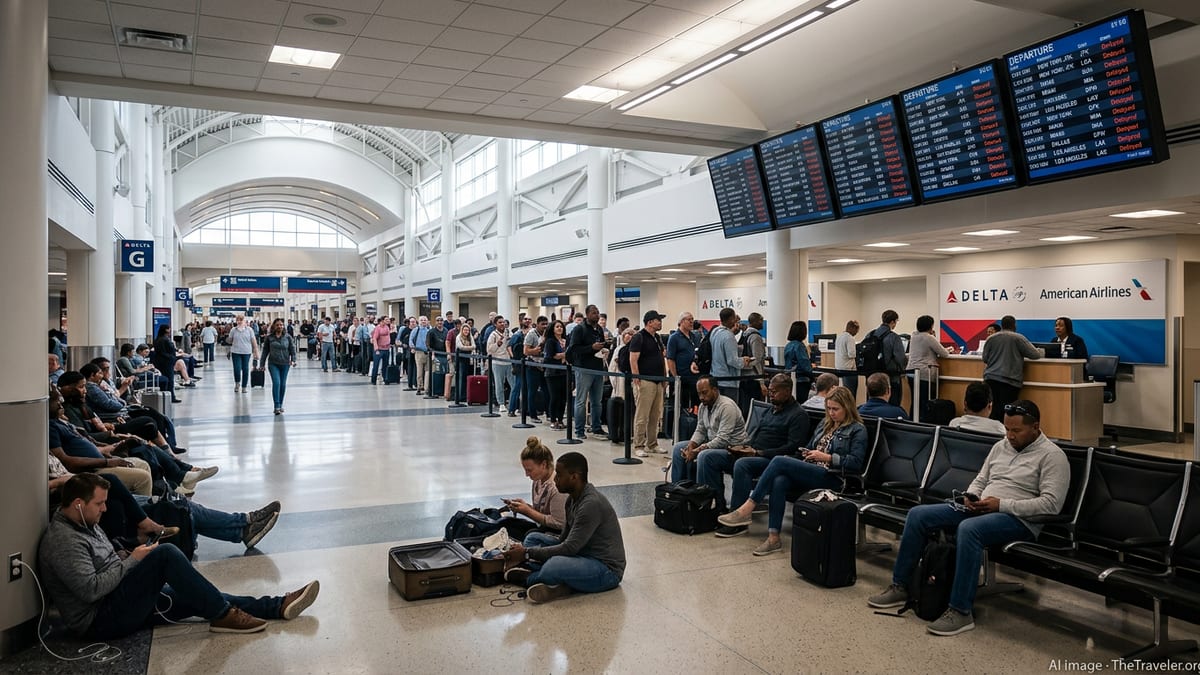
Weather System Brings Prolonged Rains to Ilocos Norte
Weather monitoring platforms show that Laoag and the wider Ilocos Norte area have been experiencing repeated rounds of heavy rain and thunderstorms, with high humidity, low cloud ceilings and poor visibility forecast through August 31 and into the first days of September.
Forecast data for Laoag on Monday, August 31, indicates a high likelihood of thunderstorms throughout the day and night, with rain chances near or above 85 to 90 percent, elevated humidity and persistent southerly winds. These conditions significantly reduce visibility and can affect runway surface conditions, complicating aircraft landings and departures.
Historical station data for Laoag’s airfield also points to recent periods of sustained rainfall and unstable weather. Publicly available meteorological records highlight a pattern of unsettled conditions leading up to the latest disruptions, consistent with the broader southwest monsoon season affecting the region.
Regional disaster management bulletins earlier this month placed the Ilocos Region on heightened alert due to the risk of flooding, landslides and strong winds. This elevated risk profile underscores how quickly aviation operations at relatively small coastal airports such as Laoag can be disrupted when intense rain bands pass through.
Key Manila–Laoag Link Hit by Cancellations
Laoag International Airport functions primarily as a domestic gateway linking Ilocos Norte with Manila, with only a small number of daily flights serving the route. Flight schedule and route databases list Laoag as handling a limited portfolio of operations, with Manila identified as the dominant origin and destination for commercial services.
Live schedule tools and route planners show that Philippine Airlines operates the core Manila–Laoag service, typically with a small number of rotations per day. When even one of these flights is cancelled due to bad weather, passengers have few same-day alternatives, and any suspension of a round-trip service can effectively halt air connectivity for an entire news cycle.
On Monday’s weather-affected operations, publicly available timetables and availability trackers for the Manila–Laoag route indicated a gap in normal service patterns. These disruptions reflect the vulnerability of thin provincial routes to weather-related cancellations, particularly when aircraft and crew are tightly scheduled and recovery options are limited.
Real-time monitoring portals that track arrivals and departures at Laoag also showed irregular operations amid periods of heavy rain in recent days. Even when flights are not formally cancelled, extended holding, diversion to alternate airports or rolling delays can translate into hours of uncertainty for travelers waiting at the terminal.
Passengers Face Long Waits and Limited Options
With heavy rain affecting both departure and arrival windows, passengers at Laoag International Airport have faced lengthy waits as airlines assessed the feasibility of operating scheduled flights. Travelers on provincial routes often arrive at the airport several hours ahead of departure, and when adverse weather builds quickly, a full day’s travel plans can collapse into an extended airport stay.
In Laoag’s case, the airport’s relatively small scale and limited number of daily flights mean that same-day rebooking options are constrained. If the first departure of the day is cancelled due to weather, seats on later services can rapidly fill, and some passengers may have to wait until the following day or consider alternative modes of transport.
Overland options between Laoag and Manila usually involve an overnight or full-day bus journey along the Luzon west coast corridor. During periods of strong monsoon rain, road conditions can deteriorate, and public reports frequently mention localized flooding and slower travel times. That combination turns a cancelled one-hour flight into a far longer and less predictable journey.
Recent online discussions among travelers in the Philippines have highlighted how weather-driven disruptions across the country can quickly ripple through domestic networks. Passengers report missed connections, altered itineraries and uncertain return dates when flights to or from provincial airports are delayed or cancelled due to heavy rain or reduced visibility.
Airports Across the Region Grapple With Monsoon Disruptions
The situation at Laoag comes amid a wider pattern of weather-related interruptions at airports across the northern Philippines and neighboring parts of Southeast Asia. In recent weeks, travelers and aviation observers have documented increased diversions, delays and cancellations linked to intense monsoon downpours and low-visibility conditions at several regional gateways.
In some nearby countries, airlines have temporarily suspended services to flood-affected provincial airports after rising waters encroached on runways and airport access roads. Such measures have forced carriers to consolidate operations at larger hubs until conditions improved, further demonstrating the sensitivity of smaller airfields to heavy rainfall events.
In the Philippines, Manila’s main international gateway has also seen heightened disruption risk when strong rain bands coincide with reduced navigational aids or capacity constraints. Under these conditions, any aircraft unable to land at the capital may be diverted to alternate fields, complicating crew schedules and aircraft positioning for subsequent domestic legs, including those serving Laoag.
For passengers, these broader operational challenges mean that a bout of heavy rain in one part of the network can have knock-on effects hundreds of kilometers away, contributing to last-minute cancellations and extended airport stays even where local weather appears to be improving.
Call for Better Communication and Contingency Planning
The latest episode at Laoag highlights ongoing calls from travelers and aviation commentators for more robust communication and contingency procedures during severe weather. When flights are cancelled or significantly delayed, passengers often rely on airport display boards, airline notifications and third-party tracking tools to piece together the status of their journeys.
Publicly shared travel experiences from elsewhere in the Philippines show that cancellations are sometimes communicated only shortly before departure, leaving passengers uncertain about compensation options, meal vouchers or hotel arrangements. At smaller airports, ground handling resources and customer service desks can quickly become overwhelmed when several flights are disrupted at once.
Aviation analysts note that as climate variability contributes to more frequent intense rainfall events, regional airports like Laoag may need stronger coordination between airlines, local government units and transport operators. Enhanced contingency plans could include clearer rebooking protocols, more proactive digital alerts and better integration with land transport options when air links are suspended.
For now, passengers traveling through Laoag and other provincial airports during the peak of the southwest monsoon are being urged, through travel advisories and public weather information, to monitor forecasts closely, build in extra time for connections and be prepared for the possibility of sudden schedule changes when heavy rains roll in.
10-day weather forecast for Laoag, Ilocos Norte
Route and departure overview for Laoag International Airport
Live arrivals, departures and weather at Laoag International Airport