


More news on this day
Intense overnight rains have flooded large parts of Accra and its surrounding communities, stranding commuters, inundating homes and prompting emergency rescues as foreign governments warn travelers of disruption across southern Ghana.
Get the latest news straight to your inbox!
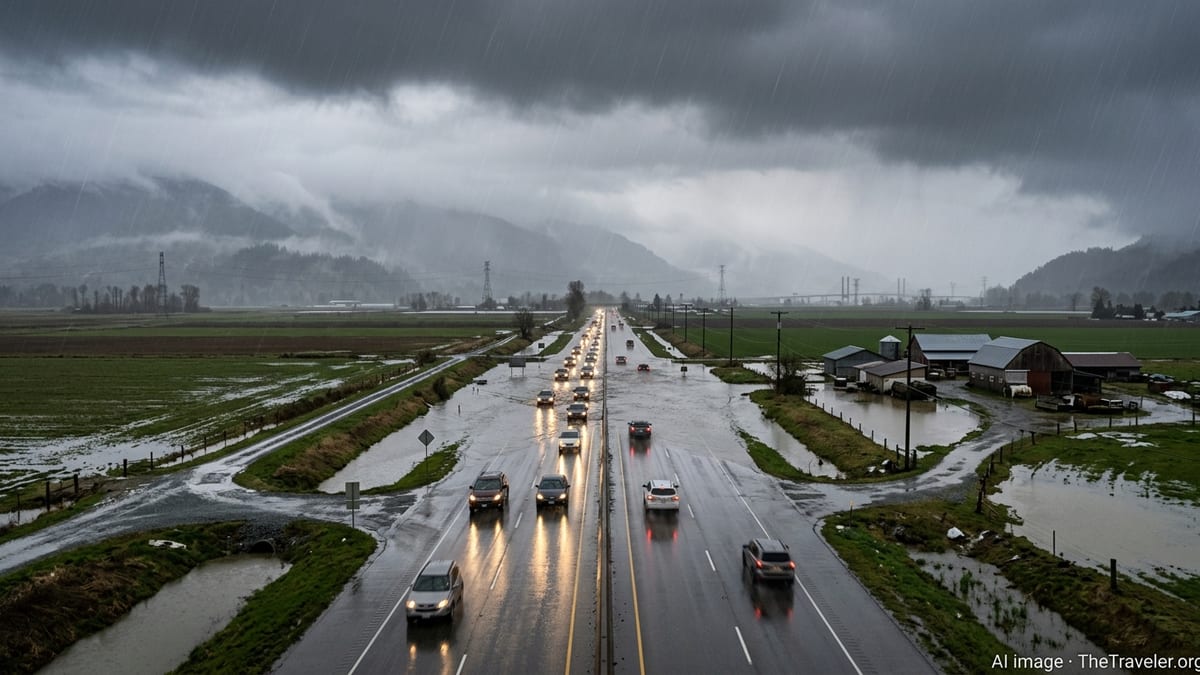
Flooded roads, stranded commuters and waterlogged neighborhoods
The latest bout of flooding followed heavy rain that began late on Sunday, June 28, and continued into the morning of Monday, June 29, 2026, overwhelming drainage systems across the Ghanaian capital. Local media reports describe major roads under water, with long tailbacks and vehicles unable to pass key junctions on some of Accra’s busiest arteries.
Sections of the N1 Highway between Kasoa, Weija and Mallam were affected, while bottlenecks were reported around the Kwame Nkrumah and Tetteh Quarshie interchanges. Images and video shared by Ghanaian outlets show vehicles half-submerged at underpasses and motorists abandoning cars as floodwaters rose.
Residential neighborhoods and commercial districts in low-lying parts of the city also experienced significant flooding. Areas in and around Kaneshie, Adenta, Ridge, Lapaz and parts of Tema and Kasoa were among locations where homes, shops and small businesses reported water entering buildings, damaging goods and forcing residents to seek higher ground.
The disruption coincided with the start of the workweek, creating a widespread morning gridlock that left many workers, students and travelers unable to reach their destinations. Publicly available information from Ghanaian broadcasters indicates that some bus routes were curtailed or delayed as drivers sought alternative paths around flooded stretches.
Rescue responses as emergency teams fan out across the city
In response to the flooding, the Ghana National Fire Service deployed rescue teams to submerged communities in and around Accra and Tema. Coverage from local newsrooms indicates that personnel used rescue vehicles and boats to assist people trapped in vehicles, flooded homes and roadside kiosks.
Reports from Accra’s outskirts, including communities along the Kasoa to Accra corridor and parts of Ningo and Miotso, describe emergency workers helping residents move to safer locations. In some cases, neighbors formed improvised human chains to help older residents and children cross fast-moving water in side streets and open drains.
The National Disaster Management Organisation, NADMO, issued a flood alert early on Monday, confirming flooding in parts of Accra, Tema and Kasoa after hours of rainfall. Public advisories urged residents to avoid flood-prone areas, move to higher ground where necessary, and stay away from open drains and culverts carrying swift water.
In Tema, environmental health officials recently warned of the health risks of wading through urban floodwaters, noting that such water can mix with sewage, industrial waste and other contaminants. Public health messages circulating on local radio and social platforms on Monday reiterated calls for residents to treat floodwater as unsafe and to prioritize personal safety over salvaging belongings.
Foreign travel warning highlights wider impact across Ghana
The flooding in and around Accra has also drawn international attention. Updated travel advice from at least one foreign government on June 29 referenced heavy rainfall and flooding affecting parts of Ghana, including the capital and surrounding areas. The advisory noted that severe weather was disrupting transport and could affect both domestic movement and international travel plans.
The notice urged visitors already in Ghana to avoid unnecessary journeys in affected regions, not to walk or drive through floodwater, and to monitor local weather and media updates. Travelers considering trips to Ghana were advised to check with airlines and accommodation providers about possible disruption, particularly in and around Accra.
Ghana’s rainy season typically peaks between May and July, but the scale of flooding that follows intense downpours has become a recurring concern for residents, businesses and visitors. Recent seasonal forecasts from the Ghana Meteorological Agency pointed to episodes of moderate to heavy rain with potential for localized flooding across coastal regions, including Greater Accra.
The current travel alerts emphasize that while many parts of Ghana remain accessible, localized flooding can quickly cut off roads, affect airport access and limit overland travel options, especially in and around the capital’s low-lying suburbs.
Weather warnings and a city under growing climate pressure
The Ghana Meteorological Agency had previously issued warnings of moderate to heavy rain and thunderstorms over southern Ghana, including Greater Accra, cautioning that intense showers could trigger flash flooding in urban centers with limited drainage capacity. As the latest weather system moved inland, unsettled conditions were forecast to persist through Monday, with intermittent rainfall expected across parts of southern Ghana.
Hydrological assessments cited in Ghanaian media indicate that Accra’s capacity to drain stormwater has declined sharply as rapid urbanization, encroachment on waterways and blocked drains increase the likelihood of flooding even after relatively modest rainfall totals. Commentators note that as little as a few centimeters of intense rain within a short period can inundate some neighborhoods.
Longer-term data compiled by national agencies and research institutions show that rainfall patterns over southern Ghana are becoming more erratic, with episodes of high-intensity storms that place additional strain on flood-prone cities. Urban planners and environmental advocates have repeatedly called for substantial investment in drainage infrastructure, enforcement of planning rules around waterways, and improved solid waste management to keep drains clear.
For Accra’s residents, however, the immediate priority remains coping with yet another day of flooded streets and disrupted movement. Social media posts and on-the-ground images on Monday captured scenes of commuters walking barefoot through knee-deep water, traders stacking goods on improvised platforms, and drivers inching along partially submerged roads as they waited for water levels to recede.
Guidance for travelers and residents navigating the floods
For travelers currently in Accra or planning to transit through the city, publicly available guidance from disaster management and meteorological services highlights a few key precautions. People are advised to avoid driving or walking through floodwater, as road surfaces may be damaged or concealed and water levels can rise quickly, trapping vehicles and pedestrians.
Drivers are encouraged to delay nonessential journeys during periods of intense rainfall and to seek alternative routes only once authorities and local media indicate that main roads are passable. Travelers heading to or from airports in Accra and nearby cities are urged to allow extra time and to check with airlines and transport providers for updates on delays or diversions.
Residents in low-lying neighborhoods are being encouraged, through public advisories and local radio broadcasts, to identify safe higher ground within their communities, secure important documents and valuables in waterproof containers, and stay tuned to weather alerts. Visitors staying in hotels or guesthouses in affected areas are advised to follow house rules on emergency procedures and to stay indoors when heavy rain is ongoing.
As rains continue across parts of southern Ghana, the combination of local flood alerts, foreign travel advisories and visible disruption in Accra underscores the vulnerability of one of West Africa’s fastest-growing cities to intense weather. The events of late June 2026 are likely to renew debate about how Ghana prepares for and manages urban flooding, even as residents and travelers focus on staying safe in the days ahead.