


Hilton Grand Vacations has grown into one of the most recognizable names in vacation ownership, with hundreds of resorts and club properties in popular destinations such as Orlando, Las Vegas, Hawaii, New York and major leisure hubs in Japan and Europe. For job seekers, that footprint translates into a wide range of roles, from guest-facing resort positions to corporate careers in Orlando, Honolulu and Tokyo. If you are considering applying, it helps to understand how the company is structured, what the culture and benefits look like in real life, and how to position your application for the roles that fit you best.
Get the latest updates straight to your inbox!
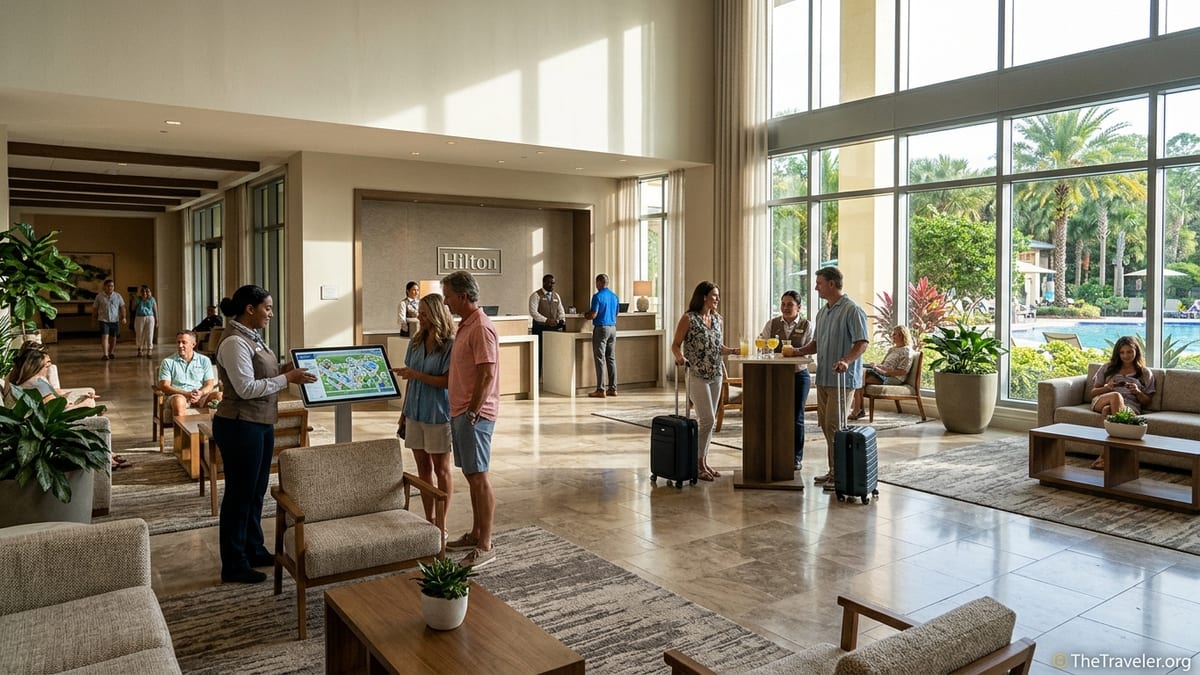
Company Snapshot: What Hilton Grand Vacations Actually Does
Hilton Grand Vacations is a publicly traded vacation ownership company headquartered in Orlando, Florida. It develops, markets, sells and manages timeshare-style resorts and club memberships under the Hilton Grand Vacations and Hilton Vacation Club brands, with additional properties that came through acquisitions such as Diamond Resorts and Bluegreen. In practical terms, that means the company runs condo-style resorts where guests and members stay in studios or apartments with kitchens, resort-style pools and on-site amenities instead of traditional hotel rooms.
The company’s network includes resorts in classic timeshare destinations such as Orlando’s theme park corridor, the Las Vegas Strip, Oahu’s Waikiki area, the Big Island, New York City, the Caribbean and ski or golf markets in Colorado, Arizona and Europe. There are also club properties in Japan, including Kyoto and Okinawa, that serve a growing Asia-Pacific membership. For employees, this provides opportunities to work in resort environments that cater to families on weeklong vacations as well as shorter city stays attached to Hilton’s hotel portfolio.
Hilton Grand Vacations operates as Hilton’s exclusive vacation ownership partner but is legally separate from Hilton Worldwide. That distinction matters for careers because you are technically working for a company that focuses on long-term member relationships and real estate style products, rather than nightly hotel stays. However, the brand alignment with Hilton means you will still encounter Hilton Honors members, cross-promotions with Hilton hotels and shared standards for service, training and guest experience.
On a typical day at one of the company’s flagship Orlando properties, for example, resort operations teams are handling check-ins for families arriving from the airport, coordinating shuttles to Walt Disney World and Universal Orlando, maintaining multiple pool complexes, and supporting sales and marketing teams who host timeshare tours on-site. That mix of hospitality, sales and member services under one roof shapes most roles at the company.
Key Departments and Typical Roles
Most jobs at Hilton Grand Vacations fall into a few broad groups: resort operations, sales and marketing, call centers and corporate functions. Understanding the day-to-day of each department helps you decide where you fit best.
Resort operations includes front desk agents, concierges, housekeeping, engineering and recreation staff. At a Las Vegas resort near the Strip, a front desk team member might spend the morning checking in guests who bought promotional packages tied to a timeshare presentation, then coordinate late check-outs for members departing after a three-night stay. Engineering staff handle everything from air conditioning issues in high summer to routine pool checks, while recreation teams organize pool games, kids’ activities and local tour bookings.
Sales and marketing is highly visible at Hilton Grand Vacations. Vacation counselors, sales executives and tour receptionists work together to sell vacation ownership interests, often starting with low-cost promotional offers. For example, a couple staying at a Hilton hotel in New York might be invited to a 90-minute presentation at a nearby Hilton Grand Vacations sales center in exchange for discounted theatre tickets or bonus Hilton Honors points. Inside those centers, sales teams walk guests through examples of ownership packages, monthly payment estimates and travel scenarios, then handle contracts and financing if they decide to buy.
Call centers and digital contact teams are often based in Orlando, Las Vegas or remote setups. These teams handle reservation calls, owner services, upgrades and inbound inquiries about promotional offers. A reservations specialist may help a long-time owner in Arizona trade a week in Orlando for a stay at a Hilton Grand Vacations property in Waikiki, or walk a new member through how to combine club points with Hilton Honors points to extend a trip. Corporate roles, meanwhile, range from finance and revenue management to IT, legal, HR and marketing, often based in Orlando or regional hubs like Honolulu and Tokyo.
Career Paths and Realistic Growth Opportunities
Hilton Grand Vacations promotes the idea of internal mobility, and on the ground there are visible examples of people building long careers by moving across functions and locations. Entry-level front desk agents in Orlando and Las Vegas, for instance, often move into supervisor roles within two to three years if they maintain strong guest satisfaction scores and reliability. From there, assistant front office manager and property-level operations manager roles can follow, with some managers later transferring to other U.S. destinations or Hawaii.
Sales offers some of the fastest earning growth, but also the most pressure. New sales associates usually start as tour receptionists or vacation counselors who greet guests at check-in for presentations and handle preliminary qualifying questions. Top performers can move into full sales executive roles, where pay is often heavily commission-based. In a busy market like Orlando or Las Vegas, experienced sales executives can earn significantly more than typical hourly resort roles in good months, especially during peak travel seasons, but income can fluctuate with demand and personal close rates.
Call center roles can serve as a bridge into corporate functions. For example, a reservations specialist who consistently resolves complex booking issues may move into a quality assurance, training or workforce management position in the same office. Similarly, owner services agents with strong analytical skills sometimes transition into revenue management or business analytics roles in Orlando headquarters, where they help forecast demand across dozens of resorts.
For professionals with prior experience, mid-career hires often join in finance, IT, legal, marketing, or HR at the corporate offices. An accountant with hotel experience might step into a role overseeing resort-level P&L reporting, while an IT professional familiar with property management systems could work on integrating newly acquired resorts in Europe or Japan into Hilton Grand Vacations’ reservation platform. Many corporate roles involve cross-functional work with resort teams, so field experience in hospitality can be a plus even for office-based jobs.
Pay, Benefits and Perks: What Employees Actually Receive
Compensation at Hilton Grand Vacations varies widely by job type and location, but there are some broad patterns. Resort hourly roles such as front desk, housekeeping and recreation typically pay in line with local hospitality markets. In Orlando or Las Vegas, entry-level hourly rates are competitive with other large hotel and resort employers, with modest differentials for overnight or specialized roles like maintenance technicians. Salaried supervisors and managers earn more consistent income, and bonuses may be tied to guest satisfaction metrics or resort financial performance.
Sales roles are more variable. Many sales executives work on a base-plus-commission structure, where the base ensures some stability but the majority of pay can come from closing deals. In a busy Orlando sales center, a high-performing executive can see strong monthly checks during peak school holiday weeks when visitor volume is high, while quieter months may bring leaner payouts. Prospective applicants should factor in that variability and be prepared for a metrics-driven environment, especially in roles tied to tour volume and conversion rates.
Benefits are a major selling point for many team members. Eligible employees typically have access to medical, dental and vision coverage, retirement savings plans, paid time off that accrues with tenure, and life and disability insurance options. One standout perk that many employees mention in reviews is team member travel benefits. Staff can access discounted stays at Hilton properties, including some Hilton Grand Vacations resorts, which might mean a long weekend at a Las Vegas or Myrtle Beach property at a fraction of the public rate, subject to availability and internal booking rules.
In addition, there are learning and development offerings, including access to online training libraries, hospitality skills programs and leadership courses. For example, a front desk supervisor aiming for a manager role might enroll in an internal leadership development program that covers financial basics, conflict resolution and people management specific to resort environments. Some locations also offer tuition reimbursement or support for job-related certifications, especially in fields like accounting, IT security or human resources.
Culture, Work Environment and DEI Commitments
The work culture at Hilton Grand Vacations is shaped by both the hospitality mindset and the pressures of a sales-driven business model. On the positive side, employees often point to friendly teams, opportunities to interact with guests on vacation and the satisfaction that comes from helping families plan memorable trips. At a Waikiki resort, for instance, team members routinely help multi-generational families coordinate luaus, island tours and surprise birthday celebrations, creating a lively, upbeat environment.
On the flip side, employee reviews also highlight challenges, especially in high-pressure sales settings. Sales executives may face aggressive monthly targets, detailed tracking of individual performance and weekend or evening schedules to match guest availability. Even in operations and front desk roles, peak seasons such as summer school holidays or major conventions in Las Vegas can lead to long days and high guest volumes. Prospective applicants should be realistic about the operational intensity that comes with popular vacation destinations.
The company has publicized efforts around diversity, equity and inclusion, highlighting initiatives such as anti-human trafficking training for team members and the appointment of leadership roles focused on DEI strategy. At resort level, that can translate into regular briefings on recognizing trafficking indicators, inclusive hiring practices and support for employee resource groups. In practice, employees in multinational hubs like Orlando and Honolulu often work with colleagues from a wide range of cultural and linguistic backgrounds, which can make for a globally minded workplace.
Work-life balance varies by role and location. Call center and corporate jobs may offer more predictable schedules, including hybrid or remote options in some cases, while resort operations frequently require holidays, weekends and early morning or late-night shifts. If you are applying for an on-property role, expect to work when guests travel, which often means Thanksgiving week, New Year’s Eve in Las Vegas, or Golden Week in Japan are among the busiest periods rather than guaranteed holidays.
How to Position Your Application for Hilton Grand Vacations
Before applying, it helps to understand what hiring managers in each department look for. In resort operations roles, proven customer service experience carries significant weight. If you have worked at a front desk for a regional hotel chain, as a flight attendant, or even in a busy retail environment, emphasize specific examples of handling guest complaints, juggling multiple demands and resolving issues on the spot. For instance, mention how you calmed a delayed airline passenger at a previous job by rebooking them, arranging a meal voucher and following up to check on their connection.
For sales and marketing positions, your ability to build rapport quickly and handle rejection is crucial. When crafting your resume and cover letter, highlight roles where you worked toward clear targets or quotas, such as car sales, membership sales at a fitness club, or fundraising. In interviews, expect scenario questions about how you would respond to a couple who seem interested but hesitant to commit to a vacation ownership package, or how you recover from several no-sales days in a row while staying positive.
Call center and owner services roles demand strong communication skills on the phone and in writing, along with comfort navigating multiple systems. If you have experience with reservation platforms, CRM tools or ticketing systems, note that clearly. Real-world examples, such as managing back-to-back calls during a snowstorm that disrupted travel or rebooking dozens of guests during a system outage, show that you can handle pressure while remaining calm and accurate.
For corporate positions, tailor your application to the intersection of hospitality and your functional specialty. A digital marketer might discuss previous campaigns promoting resort openings or seasonal travel offers, while an IT candidate could highlight past projects implementing property management software at multiple hotels. In every case, familiarity with Hilton brands, basic understanding of timeshare concepts and an appreciation for long-term guest relationships can help you stand out.
Interview Process, Assessments and What to Expect After Applying
The application process typically starts with an online submission through the company’s careers portal, often followed by a short screening call with a recruiter. For many resort and call center roles, initial interviews are conducted by phone or video. You may be asked to walk through your resume, explain why you want to work in vacation ownership, and provide specific examples of customer service or sales experiences.
For sales roles, expect more in-depth assessments. Some candidates are asked to deliver a brief mock pitch, either selling a hypothetical vacation package or explaining the value of a sample product. In busy sales centers, such as those serving Orlando theme park visitors, you may also receive questions about how you would handle guests who attend presentations solely for incentives, or who arrive skeptical because of negative perceptions about timeshare sales. Demonstrating empathy, professionalism and an ability to educate rather than pressure is key.
Operational roles may include scenario questions about handling overbooking, maintenance issues or guest disputes. For example, an interviewer could ask how you would respond if a family arrived late at night to discover their reserved two-bedroom suite was unavailable due to an unexpected maintenance problem. Robust answers usually include sincere apologies, clear communication, immediate alternatives, and proactive gestures such as complimentary breakfast or upgraded views where possible, all within company guidelines.
Timelines after interviews can vary. In some markets, particularly where hiring needs are urgent, candidates may receive conditional offers within a week of a successful interview and background check. In more competitive corporate roles, decisions can take several weeks, especially if multiple stakeholders in Orlando, Honolulu and regional offices are involved. It is reasonable to follow up politely if you have not heard back after the timeframe indicated by the recruiter.
The Takeaway
Hilton Grand Vacations offers a wide spectrum of career paths, from entry-level resort roles in Orlando, Las Vegas or Hawaii to corporate positions in finance, IT and marketing. The company’s structure as a vacation ownership specialist means that many jobs revolve around long-term member relationships, timeshare sales and travel planning rather than only nightly hotel stays.
For job seekers who enjoy hospitality, are comfortable with performance metrics and are open to working when travelers vacation, Hilton Grand Vacations can provide solid benefits, internal mobility and the chance to live and work in sought-after destinations. On the other hand, applicants should go in with clear eyes about the realities of sales pressure in some departments and the operational intensity of peak travel seasons.
By understanding the major departments, mapping realistic growth paths, preparing targeted examples for interviews and aligning your expectations with the business model, you can decide whether Hilton Grand Vacations is the right fit for your goals. If the combination of guest interaction, global travel context and brand recognition appeals to you, a well-prepared application can open the door to a long-term career in the vacation ownership side of hospitality.
FAQ
Q1. Is Hilton Grand Vacations the same as Hilton Hotels? Hilton Grand Vacations is a separate publicly traded company that focuses on vacation ownership, but it partners closely with Hilton’s hotel brands and shares many service standards.
Q2. What entry-level jobs are easiest to get at Hilton Grand Vacations? Common entry points include front desk agent, housekeeper, recreation attendant, call center reservations specialist and tour receptionist in sales centers, especially in large markets like Orlando and Las Vegas.
Q3. Do I need prior hotel experience to work at a Hilton Grand Vacations resort? Prior hotel experience helps, but it is not mandatory for all roles. Strong customer service backgrounds in retail, restaurants, airlines or attractions are often considered for entry-level positions.
Q4. How much can I realistically earn in a sales role? Earnings vary by location and performance. Many sales roles combine a base salary with commissions, so top performers in high-traffic markets can earn significantly more in busy seasons than in slower periods.
Q5. Are there work-from-home opportunities? Some call center and corporate roles may offer remote or hybrid arrangements, depending on business needs and location, but most resort operations and sales positions are on-site.
Q6. What are the main benefits for full-time employees? Eligible employees typically receive health insurance options, retirement savings plans, paid time off, travel discounts at Hilton properties and access to training and development programs.
Q7. Can I transfer to another resort or city after I am hired? Internal transfers do occur, particularly for strong performers. Team members sometimes move between Orlando, Las Vegas, Hawaii and other destinations when openings align with their skills and performance record.
Q8. What is the work schedule like at Hilton Grand Vacations resorts? Resort schedules often include weekends, holidays and early morning or late-night shifts, since work aligns with guest travel patterns and peak vacation periods.
Q9. How important is sales pressure if I work outside the sales department? Operations and call center roles are less sales-driven than dedicated sales positions, but you may still have goals related to upselling, credit card sign-ups or satisfaction scores, depending on the role.
Q10. How can I make my application stand out? Tailor your resume to highlight hospitality and customer-facing achievements, use concrete examples of problem-solving under pressure, research vacation ownership basics and show that you understand and are comfortable with the realities of working in major travel destinations.