


Timeshare and vacation ownership sales sit in a unique corner of the travel world, where high-pressure numbers meet genuine dreams of better vacations. Hilton Grand Vacations, one of the largest branded vacation ownership companies, hires thousands of people into sales and marketing roles at resorts from Las Vegas to Hawaii and Orlando. For job seekers, these roles can look incredibly attractive: big-brand name, glamorous locations, and the possibility of five-figure monthly commission checks. But what is the work really like once you are on the sales floor or standing in a resort lobby approaching guests? This guide breaks down the main Hilton Grand Vacations sales and marketing roles, how the money actually works, and what to expect day-to-day if you are considering stepping into this world.
Get the latest updates straight to your inbox!
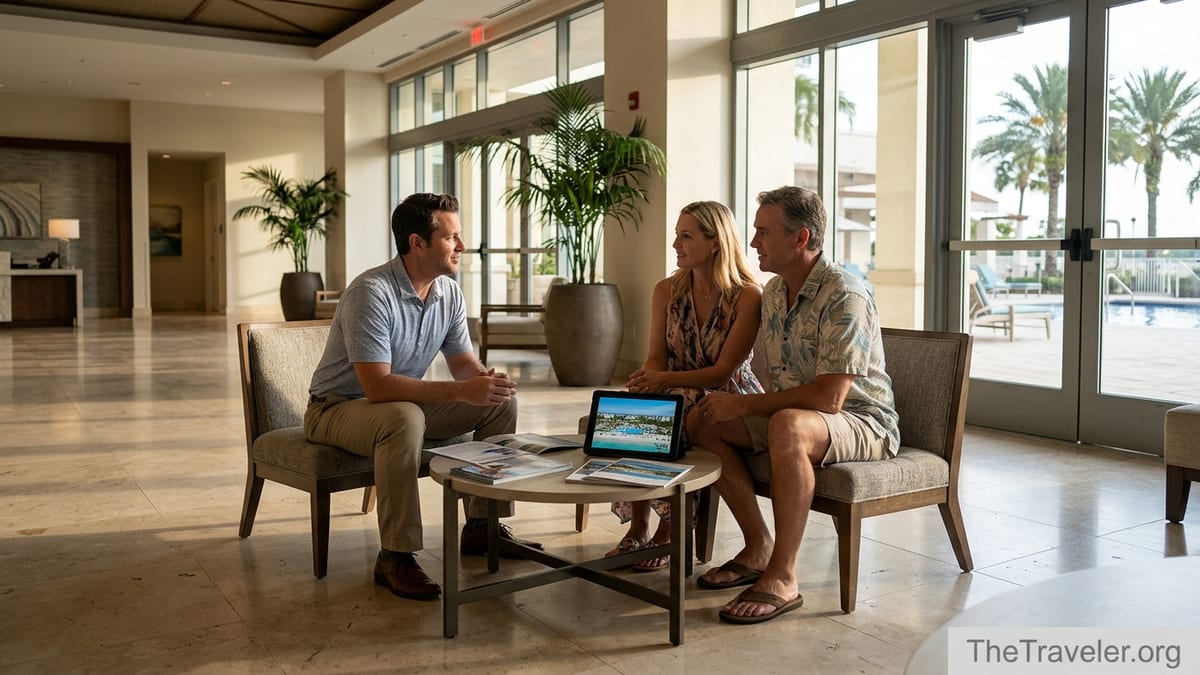
How Hilton Grand Vacations Makes Its Money – And Why Sales Roles Matter
Hilton Grand Vacations develops, markets, and manages vacation ownership resorts tied to the broader Hilton ecosystem of hotel brands and affiliated properties. Instead of selling hotel nights, its core business is selling vacation ownership interests, usually points-based packages that allow members to book stays at resorts in places like Orlando, Oahu, Las Vegas, Cabo San Lucas, Myrtle Beach, or on newer Hilton Vacation Club properties that came from acquisitions such as Diamond Resorts and Bluegreen. Sales and marketing teams are the front line of this business: they turn curious hotel guests and tour-booked prospects into long-term owners who will pay purchase prices and ongoing fees.
When you are hired into a Hilton Grand Vacations sales or marketing role, you are stepping into a machine built around structured presentations, tour volume, and finely tracked conversion rates. The company earns revenue not only from selling its own inventory, but also by earning commissions and fees on timeshare products it sells on behalf of partners. That means management watches metrics such as sales per guest and close rates very closely, and those numbers directly impact how much opportunity individual sales executives or vacation sales representatives receive.
Understanding that context helps explain why the culture in many of these jobs is highly performance-driven. In a typical resort like Hilton Grand Vacations on the Las Vegas Strip or at Hilton Hawaiian Village in Waikiki, dozens of presentations can run daily. Each one represents significant potential revenue to the company, which is why there are entire marketing teams dedicated to filling the pipeline and sales teams focused on closing.
For candidates, the upside is that the product is a recognizable travel brand and the lifestyle angle is real: you are selling the idea of guaranteed vacations, not industrial equipment. The downside is that the pressure to hit targets can be intense, and guests who arrive for a sales pitch are often primarily motivated by the freebies they receive, such as discounted stays, show tickets, or Hilton Honors points.
Core Sales Roles: From Sales-in-Training to In-House Executive
Most people who end up as top-producing Hilton Grand Vacations sales executives do not start at the top. A common entry point is a sales representative-in-training or junior vacation sales role. In these positions, you are taught the basics of the product, how the points system works, the standard presentation flow, and how to handle objections. You might shadow experienced reps at a resort like Hilton Grand Vacations at SeaWorld in Orlando or a Hilton Vacation Club property in Scottsdale, then gradually take your own “tours,” which are the 60 to 120 minute sales sessions with guests.
As you gain experience and demonstrate consistent results, you may move into a full vacation sales representative role. Here, your primary responsibility is presenting the ownership program to qualified prospects. In practice, that means greeting couples who have been booked for a tour, asking questions about their travel habits, walking them through how many points they would need for vacations they care about, and finally proposing a specific ownership package. A typical day might involve three to five tours, each worth hundreds or thousands of dollars in potential commission if you close them.
Above the front-line reps are in-house sales executives. These roles are often based directly at flagship properties, such as a tower on the Las Vegas Strip, a resort in Myrtle Beach, or a golf-oriented property in Orlando. In-house executives usually work with existing owners who are staying on-site and are invited to an “update” meeting. These guests already understand the brand and have some level of trust, so the conversation often focuses on upgrades: adding more points, shifting from an older deed to a points-based system, or purchasing access to additional resort collections.
In-house work can feel different from pure outbound selling. For example, an executive in Waikoloa on the Big Island might spend Monday morning with a long-time owner who wants to add enough points to start taking annual family trips to Oahu and the Caribbean. The presentation might be more consultative, comparing what they currently own against what they want to do over the next decade of travel. Still, the same metrics apply: deals closed, volume per guest, and chargeback risk if buyers cancel during the cooling-off period.
Marketing Roles: OPC, In-House Marketing, and Lead Generation
Sales executives cannot close deals if no one shows up to the presentations. That is where Hilton Grand Vacations marketing teams come in, particularly off-property contact (OPC) and in-house marketing representatives. These roles are often the loudest and most visible on property, and they can be a realistic entry point for people who are energetic and comfortable talking to strangers but may not yet have formal sales experience.
An OPC marketing representative typically works in high-foot-traffic areas near resort clusters or tourist hubs. In Las Vegas, for instance, OPC staff might be stationed near partner hotels on the Strip or inside popular shopping areas. Their job is to approach eligible travelers, strike up a conversation about their stay, and offer a low-cost “mini vacation” deal or a heavily discounted two or three night stay at a Hilton Grand Vacations property in exchange for attending a future timeshare presentation. A real-world example is offering a four-day, three-night stay in Orlando plus theme park discounts at a few hundred dollars total, provided the guests sit through a 90-minute sales session.
In-house marketing representatives, by contrast, are based inside the resorts themselves. Think of someone working at a Hilton Grand Vacations property in Orlando greeting families in the lobby or at the pool, asking if they have heard about owner updates or preview packages. Their focus is on current guests and owners already staying on-site: booking them into sales tours during their stay, often by promoting gift cards, resort credits, or extra Hilton Honors points as an incentive.
Both OPC and in-house marketing roles blend sales and customer service. You must quickly qualify prospects according to income, age, and other criteria, then clearly explain the obligations of attending a presentation. Pay structures often mix hourly or base wages with bonuses or per-booking incentives, which can mean that a marketing rep who books dozens of qualified tours during a busy holiday week in Orlando or Waikiki can significantly boost take-home pay compared with quiet off-season weeks.
Compensation, Commission, and What Pay Really Looks Like
Official job postings for Hilton Grand Vacations sales and marketing roles usually mention a mix of base pay, commission, bonuses, and travel-related perks such as discounted hotel stays. In practice, the balance between guaranteed income and variable pay can vary widely by position and location. Some resort marketing jobs advertise an hourly base plus a bonus structure where you earn an additional amount for each qualified package sold or presentation booked, while many front-line sales roles are primarily or entirely commission-based.
For example, a marketing or guest ambassador role selling future timeshare packages to Hilton hotel guests might offer a modest hourly rate plus a fixed commission per package, plus volume bonuses that step up at certain thresholds. In a typical setup, hitting 70 or more packages sold in a month could push monthly bonuses into the low thousands of dollars on top of base pay. By contrast, a commission-only sales executive presenting full ownership packages may earn nothing on days when buyers walk away but could earn several thousand dollars in commission on a single sizeable deal, especially if the guest purchases a larger points package or an upgrade.
It is worth emphasizing that the income range across the sales floor can be vast. A new or struggling rep who closes few deals might barely cover living expenses in an expensive market like Oahu or Las Vegas. A top performer in an in-house role with a steady stream of qualified owners to talk to can, in strong months, bring in income comparable to high-earning professionals in other industries. That variability is part of the attraction and also the main risk for job seekers who need stable paychecks.
Beyond direct pay, Hilton Grand Vacations markets its travel-related benefits heavily. Team members can typically participate in broad Hilton travel programs that offer deeply discounted hotel stays and reduced rates at on-property restaurants, plus access to internal recognition trips for top performers. For a sales executive who loves travel, winning a spot on a recognition trip to an all-inclusive partner resort or a European city can be a major motivation. At the same time, it is important to view these perks as supplemental; the core financial reality still depends on commissions and hitting sales quotas.
Day-to-Day Reality: Schedules, Pressure, and Guest Interactions
From the outside, working at a sunlit resort on the Kohala Coast of Hawaii or inside a sleek tower in New York City sounds glamorous. The day-to-day reality is far more structured and numbers-driven than many candidates expect. Sales and marketing teams usually work on rotating schedules that cover weekends, holidays, and peak tourist periods. If you are based in Orlando near the major theme parks, you can expect to be busiest during school holidays and major travel weeks, with long days and limited flexibility to take your own time off during those lucrative periods.
A typical day for a sales executive might start with a morning huddle where managers review yesterday’s closing percentage and revenue, recognize top performers, and assign tours for the day. You might present to a couple from Chicago at 9 a.m., a family from Texas at noon, and a retired pair from Canada at 3 p.m., each with different financial situations and travel priorities. Every presentation follows a similar arc: build rapport, understand travel habits, calculate a cost comparison between pay-as-you-go vacations and ownership, and propose a package. By late afternoon, you are often mentally drained from multiple emotionally charged conversations about money and lifestyle.
Marketing staff face their own kind of pressure. An OPC rep working near a Hilton partner hotel in Las Vegas might spend hours approaching travelers who are already overloaded with offers, politely rejected dozens of times before landing a single interested couple. An in-house marketing representative at a resort in Myrtle Beach might juggle a line of guests checking in after a long drive, trying to quickly identify who fits the income and age criteria for a timeshare tour while also resolving routine questions about parking or pool hours. Throughout, management tracks how many people you approach, how many agree to a tour, how many actually show up, and how many ultimately buy.
Guest reactions cover the full spectrum. Some visitors arrive genuinely curious and open to buying an ownership package if the numbers work. Others are there strictly for the incentives, from free show tickets on the Strip to prepaid gift cards in Orlando, and can be openly hostile or suspicious. That tension is part of the job. Employees who succeed in Hilton Grand Vacations sales tend to be those who can maintain composure, stay upbeat, and keep conversations focused on the potential value of consistent vacations, even when guests are skeptical or fatigued.
Training, Culture, Ethics, and Long-Term Career Paths
One of the genuine advantages of working for a large vacation ownership brand is the level of structured training and career development available. Hilton Grand Vacations invests in internal programs designed to help team members move from entry-level marketing or sales roles into more senior positions, and in some cases into leadership or corporate roles. New hires typically go through classroom-style sessions that cover the legal aspects of timeshare sales, the specifics of the product portfolio, and company expectations around compliance and ethics.
Once on the floor, training continues through role-playing sessions, side-by-side coaching with senior reps, and regular performance reviews. For example, someone who starts as a marketing representative at a Lake Tahoe resort might, after consistently hitting booking goals for a year, be invited to cross-train into a sales representative-in-training position. From there, strong closing numbers could open doors to becoming a full sales executive or, eventually, a sales manager responsible for a small team.
The culture can vary significantly between locations and individual teams. At some properties, former employees describe a collaborative environment where high performers mentor new hires, share tips about building rapport with guests, and celebrate wins together. At other locations, especially those with very aggressive targets or frequent staff turnover, the atmosphere can feel more cutthroat, with intense focus on meeting daily quotas and limited patience for slower learners.
Ethics and pressure are recurring themes in any conversation about timeshare sales. Legally, buyers receive disclosure documents and a cooling-off period in which they can cancel, and official training emphasizes following the rules. In practice, there are credible reports across the industry of reps overstating potential rental income, underplaying maintenance fee increases, or rushing guests through documents. For job seekers, it is critical to understand that your own reputation and comfort level matter. The reps who build sustainable careers usually learn to hit numbers without resorting to misrepresentation: they focus on travelers who already vacation regularly, present realistic scenarios, and are upfront about long-term costs.
How These Roles Compare With Other Travel Sales Jobs
For someone with a background in hotel sales, traditional retail travel agencies, or cruise line reservations, Hilton Grand Vacations roles can feel both familiar and dramatically different. On the familiar side, you are selling a travel product and talking daily about destinations, family trips, and bucket-list experiences. You might find yourself helping a couple plan for annual trips to Hawaii and Europe or calculating how many points a family would need to take their kids to Orlando every spring break, similar to building itineraries in a high-end agency.
The biggest difference is the transactional intensity and long-term financial commitment involved. A travel advisor selling a two-week Mediterranean cruise or a resort vacation in Mexico might earn a commission measured in the hundreds of dollars and have days or weeks to nurture the sale. A Hilton Grand Vacations sales executive is often trying to close a deal worth tens of thousands of dollars in a single 90-minute conversation with guests who did not come in planning to make that purchase. That changes both the psychology and the pressure level considerably.
Compared with other timeshare brands, Hilton Grand Vacations benefits from strong name recognition and connection to the wider Hilton hotel system. For example, being able to tell a guest that ownership points may be used not only at core timeshare resorts but also at many Hilton-branded hotels or through exchange programs adds credibility. On the other hand, competitors such as Marriott, Wyndham, and Disney Vacation Club also have loyal owner bases, and some former HGV staff have moved between brands in search of different compensation structures or corporate cultures.
If you are drawn to commission-based income and enjoy direct, in-person selling, Hilton Grand Vacations can be a powerful platform to build a career in vacation ownership. However, if you prefer consultative selling over multiple conversations, or you are uncomfortable with any sort of perceived pressure on consumers, you may find the environment more stressful than rewarding.
The Takeaway
Sales and marketing roles at Hilton Grand Vacations sit at the intersection of travel, lifestyle, and high-stakes selling. On paper, titles like sales executive, vacation sales representative, and marketing representative promise big earnings potential and the chance to work steps away from beaches, casinos, golf courses, and theme parks. In reality, the work is demanding, structured, and intensely performance-based. Your income will depend heavily on your ability to handle rejection, read people quickly, and guide them through complex, high-dollar decisions under time pressure.
For job seekers considering these roles, the key is honest self-assessment. If you genuinely enjoy face-to-face sales, can stay calm under daily scrutiny of your numbers, and find energy in talking about travel plans with strangers from around the world, the career path from entry-level marketing to top-producing sales executive can be both financially and personally rewarding. If you need predictable income, prefer low-pressure environments, or are uneasy with the idea of persuading guests to make long-term financial commitments, it may be wiser to look at more traditional hospitality roles within the Hilton ecosystem.
Going in with open eyes is the best way to decide whether Hilton Grand Vacations sales is the right fit. Talk to current and former employees where possible, pay close attention to whether a role is base-plus-commission or commission-only, and think carefully about the cost of living in resort destinations. When the match is right, these jobs can offer a front-row seat to the travel world, ongoing training, and chances to grow within a major global brand. When the fit is wrong, the same roles can quickly feel exhausting. Understanding that trade-off before you accept an offer is the smartest move you can make.
FAQ
Q1. Are Hilton Grand Vacations sales jobs mostly commission-based?
Many front-line sales executive roles are heavily or entirely commission-based, while some marketing positions offer an hourly base plus bonuses for each qualified tour or vacation package booked.
Q2. How much can a successful Hilton Grand Vacations sales executive realistically earn?
Earnings vary widely by location, season, and individual performance. Top producers in busy resorts can earn a strong income from commissions, but new or struggling reps may make much less, especially in off-peak periods.
Q3. What is the difference between an in-house sales executive and a vacation sales representative?
An in-house sales executive primarily works with existing owners staying on property and focuses on upgrades, while a vacation sales representative often presents to first-time prospects who are attending a preview or sales tour.
Q4. What does an OPC marketing representative actually do day-to-day?
An OPC marketing representative works off-property in high-traffic tourist areas, approaching travelers, qualifying them based on set criteria, and booking them into future timeshare presentations in exchange for discounted stays or incentives.
Q5. Is there formal training before you start selling at Hilton Grand Vacations?
Yes. New hires usually receive structured training on the product, legal requirements, sales presentations, and company policies, followed by on-the-job coaching and performance monitoring.
Q6. How high-pressure are Hilton Grand Vacations sales presentations for guests?
Experiences vary, but many guests report feeling strong pressure to buy, especially near the end of a presentation. Reps are expected to close, yet they must still follow legal guidelines and disclosure rules.
Q7. Can these sales and marketing roles lead to other careers in travel or hospitality?
Yes. Strong performers often move into sales management, training, or other leadership roles and can sometimes transition into broader hospitality or travel industry positions at Hilton or other brands.
Q8. What kind of schedule should I expect in a Hilton Grand Vacations sales job?
Most roles require working weekends, holidays, and peak travel periods. Schedules are often built around guest demand, so expect long days during busy seasons and tighter time-off options then.
Q9. Do employees get to use discounted vacations themselves?
Employees typically have access to Hilton travel programs and internal discounts, which can make personal vacations more affordable, though the exact benefits depend on role, location, and tenure.
Q10. Who tends to thrive in Hilton Grand Vacations sales roles?
People who are resilient, comfortable with rejection, energized by travel conversations, and motivated by variable income usually do best. Those who need stable pay and low pressure often find the environment challenging.