


As borders stay open and trips get longer and more complex, the stakes for choosing the right travel insurance have never been higher. Between nonrefundable flights, pricey resort stays and unpredictable health situations abroad, a good policy can be the difference between a frustrating delay and a financially devastating crisis. This guide compares several top-rated global travel insurance providers with Singlife Travel Insurance, focusing on the practical details that matter when you are standing at a foreign hospital counter or rebooking flights at midnight.
Get the latest updates straight to your inbox!
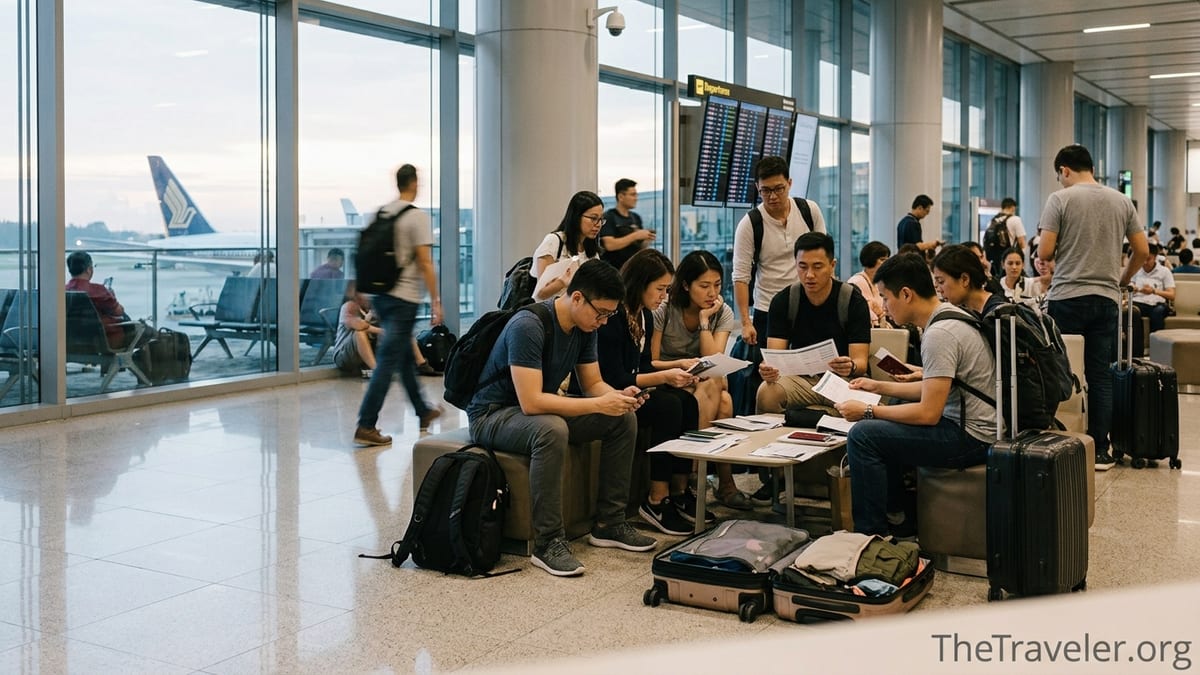
How Singlife Travel Insurance Works in 2026
Singlife Travel Insurance is built around three main tiers: Lite, Plus and Prestige. All three are designed primarily for travelers starting their journey from Singapore, with options for single-trip and annual multi-trip policies. The differentiator is not just price but how high the benefit ceilings go and how much flexibility you have for add-ons such as COVID-19 coverage or protection for pre-existing medical conditions.
For example, a long-weekend trip from Singapore to Bangkok might cost roughly the equivalent of the price of an airport meal for Lite cover, rising to the cost of a mid-range hotel night for Prestige on the same itinerary. In return, Singlife’s Prestige tier can offer unlimited overseas medical expenses and very high limits for emergency medical evacuation and repatriation, which becomes highly relevant if you are airlifted from a ski resort in Hokkaido or medevaced from Europe back to Singapore.
COVID-19 protection is a crucial element. As of early 2026, Singlife requires travelers buying policies on or after 27 February 2026 to add COVID-19 coverage as an optional rider rather than getting it bundled automatically. In practice, that means a family of four flying from Singapore to London now has to decide whether the extra premium for COVID-19 medical and trip cancellation benefits is worth it, especially if airlines and hotels on their route already offer flexible change policies.
Another practical feature is the growing menu of lifestyle-oriented benefits that Singlife markets to younger travelers. For instance, frequent flyers heading to rainy destinations may be drawn to its rainfall protection or gadget cover, which can come into play if a sudden downpour in Taipei ruins a new camera or laptop. These add-ons, while not essential, can tilt the balance if you are choosing between relatively similar core medical and trip cancellation limits.
Global Benchmarks: Allianz, Travel Guard and World Nomads
Outside Singapore, a handful of brands consistently appear at the top of 2026 travel insurance rankings: Allianz Travel, AIG’s Travel Guard and World Nomads. These companies often serve as benchmarks because they cover a wide range of trip types and are widely accepted by consulates, tour operators and cruise lines.
Allianz Travel is typically the reference point for high-value, complex itineraries. Consider a couple from New York booking a US$12,000, three-week itinerary through Italy and Greece with prepaid villa rentals and a Mediterranean cruise segment. An Allianz premium plan will usually offer robust trip cancellation coverage up to the full trip cost, strong medical benefits and optional “cancel for any reason” upgrades. Many travel advisors steer big-spend clients to Allianz because its claims process on large losses, such as a last-minute medical cancellation, has an established track record.
Travel Guard, now under Zurich Insurance Group ownership, is often singled out as a family-friendly option. A family of five flying from Los Angeles to Tokyo with several domestic Japanese train tickets and theme park passes prepaid might choose a Travel Guard plan that bundles children at a reduced rate but still offers solid emergency medical limits and baggage protection. Parents appreciate features like coverage for school exam postponements or sports-related injuries on school trips, which can be less emphasized in bare-bones policies.
World Nomads, by contrast, focuses on active and adventure travel. Take a solo traveler backpacking for two months through Vietnam, Laos and Thailand, planning to rent motorbikes and join diving courses along the way. World Nomads is often recommended because its higher-tier plans commonly cover a wider range of adventure sports and allow policy extensions while you are already on the road, which many traditional insurers still restrict. This makes it a natural comparison point when evaluating how flexible Singlife is for similar activities originating in Asia.
Coverage Head-to-Head: Singlife vs Leading Global Plans
When you strip away branding and marketing, four coverage pillars tend to separate strong travel insurance from mediocre offerings: medical expenses, emergency evacuation, trip cancellation and travel inconvenience (like delays and baggage issues). Looking at these side by side is the best way to understand where Singlife stands against global competitors like Allianz, Travel Guard and World Nomads.
On medical expenses, Singlife’s Prestige tier is competitive even by international standards because of its unlimited overseas medical coverage. Imagine a traveler from Singapore suffering a heart attack in Zurich and needing a multi-week hospital stay followed by a business-class medical evacuation home. In such a scenario, Allianz’s upper-tier policies and Singlife Prestige would both be designed to absorb high six-figure bills, though Allianz is often more familiar to European hospitals while Singlife’s assistance partner network is more optimized around Asia-origin trips.
Trip cancellation and interruption is where global players sometimes edge ahead. Allianz and Travel Guard commonly allow travelers to insure trips up to high per-person amounts that reflect real-world luxury travel costs in North America and Europe. A Canadian ski group prepaying US$8,000 per person for a heli-ski package in British Columbia might find Singlife less relevant because it is geared to Singapore residents, whereas a US-based Allianz plan could be tailored around those trip values and domestic medical rules.
In terms of travel inconvenience benefits, such as compensation for long flight delays, missed connections or baggage delays, the differences appear in the fine print. Singlife includes coverage for missed connections and travel delays, but global carriers sometimes have more generous definitions or lower waiting times. For example, an eight-hour weather delay at Doha on a Singapore to London route might trigger different payouts depending on whether you hold a Singlife policy or an Allianz one bought through a European airline, even when the headline “delay” benefit looks similar.
Price, Value and Real-World Scenarios
Price comparisons are tricky because premiums shift daily and depend heavily on age, destination, trip length and optional upgrades. Still, it is useful to think in real-world terms. For a five-day trip from Singapore to Bali for a healthy 30-year-old, a Singlife Lite policy might cost roughly the same as adding travel insurance offered by a low-cost airline at checkout, while Singlife Plus or Prestige would cost more but deliver significantly higher medical and cancellation limits.
Contrast that with a US-based traveler booking a similar five-day trip from Los Angeles to Cancún. That traveler might choose a mid-tier Allianz or Travel Guard plan that sits in the same rough price bracket as Singlife Plus when converted to a common currency. However, the US plan is priced for North American medical risk and may include features like primary medical coverage, which pays out without first invoking any domestic health insurance, something Singapore-based policies structure differently.
Real-world claim experiences also shape perceptions of value. In online reviews, some Singlife customers report smooth, quick payouts for straightforward claims such as stolen baggage in Europe or delayed flights in Asia, while others describe longer processing times or disputes over documentation. The same pattern appears with Allianz and Travel Guard, where travelers with well-documented medical emergencies often report good outcomes, whereas partial paperwork or pre-existing conditions frequently lead to disappointment.
For travelers, the practical takeaway is this: the “cheapest” plan usually looks that way because it caps critical benefits or excludes high-risk activities. A traveler flying to Seoul for a budget shopping trip might reasonably choose Singlife Lite to save money, but a family booking a S$20,000 once-in-a-decade Europe tour from Singapore might treat an upgrade to Singlife Prestige or a higher-end Allianz policy as insurance on the entire experience, not just a tick-box add-on.
Special Features: Pre-Existing Conditions, COVID-19 and Adventure Sports
Certain features only appear when you read beyond the basic summary of benefits. Pre-existing medical conditions are a key example. Many travel insurers worldwide either exclude them entirely or require expensive medical questionnaires. Singlife has introduced a pre-existing medical condition add-on for travel, which appeals to older travelers in Singapore who might otherwise be unable to get meaningful cover for issues like stable heart disease or diabetes on overseas trips.
Consider a 68-year-old retiree in Singapore with controlled hypertension and high cholesterol planning a river cruise in Europe. Without a pre-existing condition rider, a hospital admission for chest pain in Vienna could be excluded under standard policy wording. By paying extra for Singlife’s specialized add-on, the traveler increases the chance that such a hospital stay and subsequent tests are covered, although strict stability requirements and exclusions still apply. In North America, similar travelers might look at specialist providers like Seven Corners or tailored plans from Allianz that address pre-existing conditions under specific “waiver” rules.
COVID-19 coverage is now more nuanced than in the early pandemic. Singlife’s shift to making COVID-19 an optional add-on from late February 2026 mirrors a broader industry trend. A traveler heading from Singapore to Sydney might evaluate whether the airline already offers free date changes for illness and whether their destination still has significant testing or quarantine rules before paying extra for COVID-19 trip cancellation benefits. In the US and Europe, some Allianz and Travel Guard products include COVID-19 under standard illness definitions, while others require explicit pandemic riders or have subdued benefits reflecting looser border controls.
Adventure sports are another dividing line. A traveler booking a week of off-piste skiing in Niseko or a liveaboard diving trip in the Maldives often finds standard travel insurance vague or exclusion-heavy. World Nomads markets itself around covering many adventure activities by default, provided you choose the appropriate plan level. Singlife’s documents list which sports are excluded or require higher-tier cover, so a Singapore-based scuba enthusiast planning multiple dives beyond basic recreational limits may have to decide whether Singlife’s terms or World Nomads’ sport-specific wording better match their actual plans.
Who Should Prioritize Singlife, and Who Should Look Elsewhere?
Because Singlife Travel Insurance is structured around Singapore-resident travelers, it shines in scenarios where trips originate from Singapore and involve common regional routes to destinations like Japan, Thailand, Australia and Europe. A Singaporean family flying to Osaka for cherry blossom season, with side trips to Kyoto and Tokyo, will likely find Singlife’s pricing competitive and its benefit limits well aligned with local hospital costs and regional airline patterns.
Singlife also makes sense for travelers who prefer buying from a familiar local brand and receiving customer support in a Singapore context. For instance, a business traveler who frequently flies from Singapore to Jakarta, Kuala Lumpur and Hong Kong might opt for an annual Singlife policy, valuing the simplicity of a single, renewable cover coordinated with domestic medical insurance and local regulatory protections.
On the other hand, travelers who are not Singapore residents, or who are piecing together long multi-continent itineraries, may be better served by global carriers. A digital nomad bouncing for a year between Lisbon, Mexico City and Bali may find that World Nomads, SafetyWing or another nomad-focused insurer offers longer maximum trip durations, the ability to purchase cover while already abroad and support structures geared to multi-country life rather than round-trips from Singapore.
Similarly, US- or Canada-based travelers whose primary concern is very high trip cancellation protection for expensive domestic or Caribbean cruises typically lean toward Allianz or Travel Guard bought through a cruise line or travel advisor. Those products are engineered to integrate with local consumer protection laws and existing health coverage, while Singlife’s strengths lie in protecting Singapore-based customers roaming outward.
The Takeaway
In 2026, Singlife Travel Insurance stands out as a strong regional player, especially for Singapore-based travelers taking short to medium-length trips to Asia-Pacific and Europe. Its higher-tier plans, particularly Prestige, offer medical and evacuation limits that compare well with global leaders, and its evolving add-ons for pre-existing conditions and COVID-19 reflect how travel realities have shifted since the pandemic’s early days.
However, being “top-rated” is always relative to your starting point, destination and specific needs. Global brands like Allianz, Travel Guard and World Nomads often win out for travelers from North America or Europe, those booking extremely expensive itineraries, or those embarking on extended, multi-country adventures. In those cases, the breadth of worldwide networks, policy flexibility and country-specific features can outweigh the appeal of a Singapore-centric plan.
The most practical approach is to start with your trip profile, not the insurer’s marketing. List your real risks: prepaid, nonrefundable costs, countries with expensive healthcare, adventure sports, existing medical conditions and your tolerance for handling emergencies abroad. Then compare Singlife’s tiers and add-ons with at least one global provider’s equivalent offering for the same trip input details. Paying a few dollars more for a plan that actually matches your itinerary beats saving money on a policy that fails when you most need it.
Ultimately, the right travel insurance plan should feel like a quiet safety net. If you can imagine yourself at 2 a.m. in a foreign emergency room, your phone in one hand and your policy confirmation in the other, and feel confident that the insurer on the other end will respond quickly and clearly, you are probably looking at the right coverage. For many Singapore-based travelers, Singlife will be in that shortlist; for others, a global carrier may better fit the journey ahead.
FAQ
Q1. Is Singlife Travel Insurance available to travelers who are not based in Singapore?
Singlife Travel Insurance is generally designed for trips that start from Singapore and for customers who meet Singlife’s residency and policy purchase requirements. Travelers based in other countries usually need to buy from insurers licensed in their home market instead.
Q2. How does Singlife’s COVID-19 cover compare with global providers like Allianz or Travel Guard?
From late February 2026, Singlife’s COVID-19 benefits are typically offered as an optional add-on rather than bundled by default. Many global providers treat COVID-19 similarly to other illnesses or require specific pandemic riders, so the key is comparing what each plan covers for medical expenses, quarantine costs and trip cancellation on the exact dates and routes you are traveling.
Q3. Are pre-existing medical conditions covered by Singlife Travel Insurance?
Standard travel policies usually exclude pre-existing conditions, but Singlife offers a dedicated add-on aimed at travelers with stable, declared health issues. Eligibility depends on medical history and policy terms, so older travelers or those with chronic conditions should review the wording carefully and, if needed, ask Singlife or a financial adviser to confirm what is and is not covered.
Q4. How do Singlife’s medical coverage limits compare with World Nomads for adventure trips?
Singlife’s Prestige tier can offer very high or unlimited overseas medical limits, which is strong on paper. World Nomads, however, focuses heavily on covering a wide range of adventure sports and allowing policy extensions while abroad. For a trip involving activities like advanced diving or backcountry trekking, it is important to compare not just the dollar limits but also which sports are included or excluded.
Q5. Can I buy Singlife Travel Insurance after I have already left Singapore?
Most standard Singlife travel policies require you to purchase cover before starting your trip from Singapore. If you are already overseas, you may need to look at alternative providers, such as nomad-oriented insurers, that explicitly allow you to start a policy while traveling.
Q6. How do premiums for Singlife compare with Allianz or Travel Guard for similar trips?
Premiums change frequently and depend on age, destination, trip length and optional add-ons, so there is no fixed rule. For short regional trips starting in Singapore, Singlife is often competitively priced. For long-haul or high-value itineraries from North America or Europe, Allianz or Travel Guard may be more aligned with local medical costs and consumer protections, even if headline prices look similar.
Q7. Does Singlife Travel Insurance cover cruise holidays?
Singlife policies can cover many cruise itineraries provided they fit within the defined geographic regions and trip durations. However, cruise-specific issues such as missed port departures or shipboard medical costs can be treated differently across insurers, so travelers should confirm that their exact cruise route and shore excursions are included under Singlife’s wording or consider a cruise-focused plan from a global provider if needed.
Q8. What should I look at first when comparing Singlife with other travel insurers?
Start with the core benefits: overseas medical limits, emergency evacuation, trip cancellation and trip interruption. Then check exclusions for pre-existing conditions and high-risk activities. Finally, look at practical details like 24-hour assistance numbers, claim documentation requirements and whether the insurer has experience with hospitals or airlines on your specific route.
Q9. Are claims with Singlife generally fast and straightforward?
Customer experiences vary. Many travelers report smooth claims for clearly documented events like delayed baggage or straightforward medical bills, while more complex cases involving pre-existing conditions or ambiguities in coverage can take longer and sometimes lead to disputes. This pattern is similar across major global insurers, so thorough documentation and early notification of problems are important no matter which company you choose.
Q10. When does it make sense to choose a global insurer instead of Singlife?
You may prefer a global insurer if you are not based in Singapore, if your trip includes many months across multiple continents, or if you need specialized features such as extensive adventure sports cover or very high trip cancellation protection for luxury itineraries. In those cases, brands like Allianz, Travel Guard or World Nomads often offer structures better suited to your circumstances than a Singapore-centric policy.