


More news on this day
Evening rail travel near downtown Houston was disrupted on Friday, July 3, after a Houston Fire Department engine responding to an emergency call collided with a METRORail train, derailing the light rail and sending one passenger to the hospital with non-life-threatening injuries.
Get the latest news straight to your inbox!
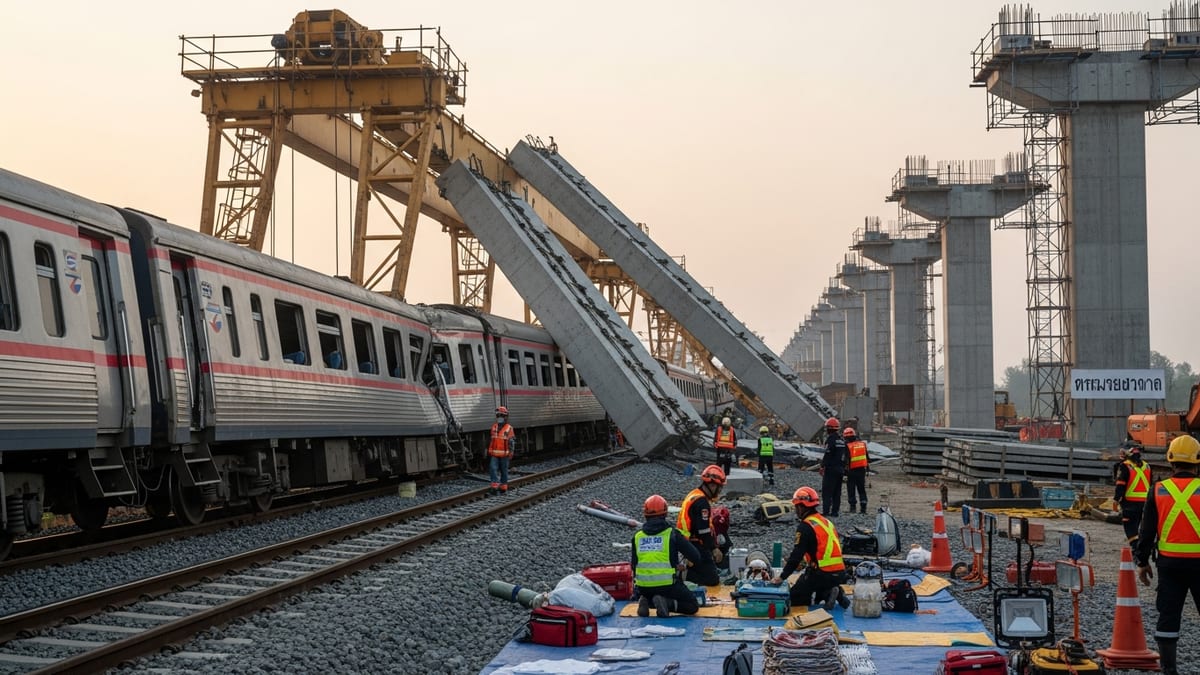
Crash at Busy Near Northside Intersection
Publicly available information shows that the collision occurred at about 6:45 p.m. on July 3 at the intersection of Hogan Street and North Main Street, on the edge of Houston’s Near Northside neighborhood just north of the central business district. The location sits along the METRORail Red Line, a key corridor linking the Northline Transit Center to downtown and onward to the Museum District and Texas Medical Center.
Reports indicate that a Houston Fire Department engine identified as Engine 9 was traveling toward an emergency call with its lights and siren activated when it reached the at-grade crossing and entered the intersection. At roughly the same time, a northbound METRORail train was moving through the crossing, and the fire truck struck the side of the train, pushing several cars off the tracks.
According to published coverage, one train passenger was transported to a local hospital and is expected to recover. Several other riders were evaluated at the scene. No injuries were reported among the firefighters aboard the engine, and no additional serious injuries have been publicly documented.
Images and video shared by local outlets show the train partially derailed near the intersection, with the fire engine stopped close by and emergency personnel surrounding the scene. The collision drew a significant response from law enforcement and transit personnel as investigators began documenting the damage and gathering initial details.
Service Disruptions on METRORail Red Line
The crash led to immediate service disruptions for METRORail riders on the Red Line, particularly those traveling between downtown and the Near Northside area during the Friday evening period. Publicly available information shows that rail traffic was suspended through the crash site while crews assessed the track, inspected the rail vehicles, and organized removal of the derailed cars.
Transit alerts and local coverage describe trains being turned back short of the affected intersection, with riders advised to expect delays and to consider alternate routes where possible. In situations like this, bus bridges or rerouted local bus services are sometimes used to help passengers bypass closed sections of track, although specific substitute arrangements for this incident had not been fully detailed in early reports.
The Red Line is the busiest of Houston’s light rail routes, and even short closures can ripple through evening commutes, trips to events, and connections to bus services at major transit centers. The location near downtown also means disruptions can affect workers leaving the central business district, as well as visitors heading to nightlife, dining, and neighborhood destinations along the corridor.
By late evening, crews remained on scene working to stabilize the railcars, clear debris from the intersection, and plan the process for returning the train to the tracks or moving it off-site for further inspection. Full restoration of normal service typically depends on both infrastructure checks and the outcome of preliminary safety assessments.
Investigation Focuses on Signals, Right of Way and Response Conditions
Responsibility for the investigation has been taken up by Houston Police, according to multiple local reports, with transit police and fire department representatives also present. Early inquiries often center on signal phases, right of way, and the sequence of movements made by both the emergency vehicle and the train in the moments before impact.
Publicly available information indicates that the fire engine was operating under emergency conditions, with lights and siren in use, while heading to a separate call for service. Emergency vehicles are generally permitted to proceed through intersections when responding to calls, but they must still navigate complex environments where cross traffic, transit vehicles and pedestrians may all be present.
METRORail’s Red Line runs at street level through much of central Houston, sharing intersections with regular vehicle traffic. Investigators are expected to review signal timing, warning systems, and any available video from the train, intersection cameras or nearby businesses to reconstruct how the collision unfolded. Information from the train operator and the fire crew will also likely be examined as part of the standard investigative process.
As of early Saturday, no detailed findings on fault or contributing factors had been released. Reports emphasize that the inquiry remains active, and additional updates are anticipated as agencies review physical evidence and incident reports.
Safety Record and Ongoing Concerns at At-Grade Crossings
The collision has renewed attention on the broader safety context of Houston’s street-running light rail system. METRORail operates largely at grade through central neighborhoods, meaning trains interact directly with automobiles, bicycles, and pedestrians at numerous crossings. Over the years, local reporting has highlighted multiple incidents involving vehicles and trains, often raising questions about driver behavior, signal visibility, and the design of intersections.
Transit advocates have previously pointed to the challenges of balancing fast, reliable rail operations with the realities of busy surface streets. At locations like North Main and Hogan, traffic flows from neighborhood streets, through-traffic on main arterials, and scheduled rail movements all come together within a compact area, increasing the importance of clear signage, predictable signal patterns, and strong public awareness.
Emergency-response vehicles add another layer of complexity. While collisions between fire trucks and trains are rare, emergency crews frequently operate under high time pressure in dense urban environments. The incident near downtown Houston illustrates how even experienced responders can encounter unpredictable conditions when moving through intersections shared with rail lines and regular traffic.
City and transit planners are likely to review whether any additional safety measures, such as modified signal priority, improved warning lights, or physical changes to the crossing, could reduce risk at similar locations. Publicly available information shows that discussions about safety enhancements and operational adjustments on Houston’s rail corridors have been ongoing, and this crash may further shape those conversations.
Impact on Travelers and What Riders Should Expect Next
For local travelers and visitors relying on Houston’s light rail, the derailment serves as a reminder of how quickly unexpected incidents can affect mobility across the core of the city. Riders on the Red Line may continue to experience intermittent delays or altered service patterns near the crash site as inspections, repairs and any follow-up work proceed in the coming days.
Transit agencies typically issue real-time alerts about line closures, reduced frequencies, or shuttle substitutions, and travelers are often encouraged to allow extra time when moving through affected areas. In addition to rail disruptions, nearby streets around North Main and Hogan may experience temporary lane closures or traffic shifts while crews complete cleanup and infrastructure assessments.
For the Houston Fire Department, the collision is also likely to prompt internal reviews of emergency driving protocols and route choices in corridors where light rail and heavy traffic converge. Publicly available information shows that the department handles thousands of emergency calls each year, and even a single high-profile crash can influence training, guidance and coordination efforts with other city agencies.
As investigations continue, residents and visitors can expect further clarification on the circumstances that led to the fire engine striking the METRORail train, along with potential recommendations for improving safety at similar at-grade crossings throughout Houston’s growing transit network.