


More news on this day
Air-raid alerts were issued in Riyadh over the weekend after reported missile and drone launches attributed to Yemen’s Houthi movement, a flare-up that prompted travelers to brace for possible airport delays, rerouted flights, and elevated security conditions across Saudi Arabia and nearby air corridors.
Get the latest news straight to your inbox!
What happened and why it matters for travelers
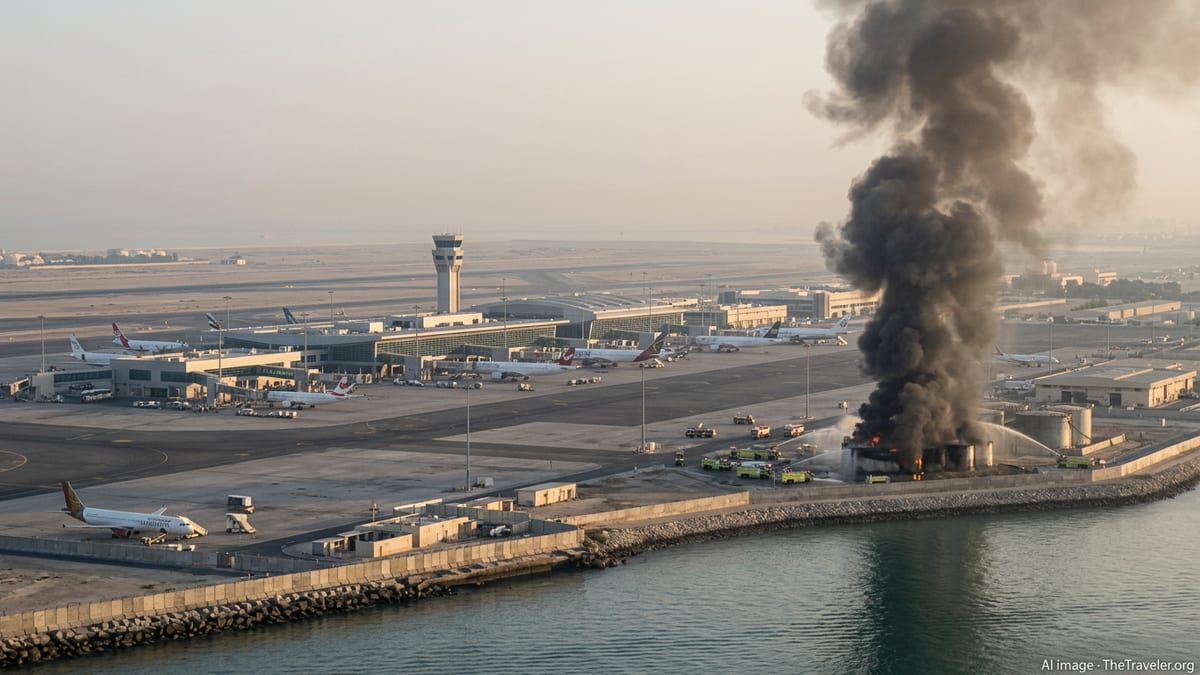
Published video coverage circulating on September 19 and September 20, 2026 showed air-raid warnings issued to residents in the Saudi capital, alongside images of smoke and flames reported near King Khalid International Airport. Separate coverage described interceptions by Saudi air defenses and additional attempted strikes in other parts of the kingdom, with Houthi messaging also claiming attacks using missiles and drones.
While the reported incident sits within a broader security and regional conflict context, the immediate travel relevance is practical: air-raid alerts and defensive activity can trigger temporary restrictions around airports, short-notice operational pauses, and airspace management actions that ripple into flight schedules. Even when inbound threats are intercepted, the period of heightened alert can create knock-on delays for departing and arriving passengers.
Riyadh is a major hub for domestic and international connections across the Gulf, Africa, Europe, and Asia. Any disruption at King Khalid International Airport can quickly affect onward connections, especially for travelers with tight layovers, multi-airline itineraries, or separate-ticket trips.
Airport operations: what to expect at King Khalid International
Video reporting from multiple outlets pointed to smoke observed near Riyadh’s main airport after alerts were issued overnight. Coverage varied on the precise location and cause of visible smoke, and publicly available reporting did not consistently confirm operational impacts in real time for every terminal and carrier. That uncertainty is itself a travel risk: airport conditions can change quickly, and early reports may not reflect the later operational picture.
In situations involving air-raid warnings, airports can temporarily restrict ramp access, delay boarding, or hold aircraft at gates as a precaution. Even if terminals remain open, airlines may stagger departures, consolidate check-in lines, or re-time arrivals to reduce congestion during heightened security posture.
For travelers flying through Riyadh in the coming days, the most useful preparation is to plan for additional time at the airport and for connections. Keep key documents and essential items in a carry-on, and expect that airline staff may issue gate changes or revised boarding times with little notice if the airport adjusts airside movement.
How airlines and airspace controls can reshape itineraries
Missile and drone incidents can influence aviation in two ways: local airport disruption and broader routing changes. When air defenses are active and warnings are issued, air traffic management may alter arrival streams, adjust altitudes, or hold aircraft outside terminal airspace. Those actions can lengthen flight times and amplify delays across the network, even for flights that never land in Riyadh.
Travelers may also see last-minute aircraft swaps or schedule padding as airlines try to preserve operations while managing crew duty limits. If your trip includes a connection, consider that a small delay into Riyadh can cascade into missed onward flights, especially for evening departures.
For passengers already booked, the most effective steps are operational: monitor airline notifications closely, confirm your reservation remains ticketed, and check that your contact details in the booking are current. If you are traveling on separate tickets, it may be safer to build a longer self-transfer buffer or adjust plans if rebooking options are available.
Regional context and what it signals for near-term travel planning
The weekend’s Riyadh alerts arrived amid renewed attention to Houthi capabilities and the kingdom’s air defense posture. Recent published coverage described repeated missile and drone attempts and discussions about the strain of sustaining interceptions over time, underscoring that spikes in activity can recur rather than remain isolated events.
For travel planners, that means risk can be episodic: conditions may look normal for days, then tighten quickly following a launch, an intercept, or an alert. Travelers deciding between connecting through Riyadh versus other regional hubs may weigh flexibility as much as price, including refundable fares, change-fee policies, and travel insurance terms that align with their risk tolerance.
It also reinforces a broader point for Middle East itineraries during periods of heightened tension: disruptions often show up first as schedule changes and airport crowding rather than a full shutdown. Building time buffers and using a single itinerary with protected connections can reduce exposure to cascading cancellations.
Practical traveler guidance for Riyadh right now
If you are in Riyadh, treat phone alerts and airport announcements as time-sensitive operational instructions, and avoid nonessential trips to airport areas during active warnings. In many cities, heightened security periods can also bring road closures, checkpoints, or heavier screening at public venues, which can slow the trip to the terminal.
If you are scheduled to depart from or connect through King Khalid International Airport, arrive earlier than you normally would and keep battery power, identification, and booking confirmations accessible. Consider traveling with essentials for an unexpected overnight delay, including medications and charging cables, in case flights are retimed or hotels fill quickly.
If you have not yet booked and can choose your routing, prioritize flexible tickets and itineraries with longer connections. Because the situation is fluid, the most reliable day-of guidance typically comes from airline operating messages and airport channels rather than early video clips circulating online, which may not capture later changes in operations.