


More news on this day
The U.S. State Department has renewed a wide-ranging security alert for Americans in or traveling to the Middle East, citing a volatile regional environment and warning that conditions could escalate quickly, with knock-on effects for commercial travel.
Get the latest news straight to your inbox!
What the latest alert means for travelers right now
Published coverage indicates the renewed message is intended to be broadly applicable across the region rather than focused on a single country or incident. The State Department’s public-facing travel guidance has repeatedly emphasized that the Middle East security environment can shift with limited notice, and that travelers should be prepared for disruptions even when flights are operating normally.
For many U.S. travelers, the practical takeaway is that a single itinerary may cross multiple jurisdictions with different rules and risk levels, sometimes in the same day. That can matter for airport connections, overland border crossings, cruise port calls, and last-minute reroutes that place passengers into countries with different entry requirements or advisories.
The State Department also continues to point travelers to embassy and consulate security messages for location-specific guidance. Those updates can include advice about avoiding large public gatherings, monitoring local media, and adjusting routes and timing when demonstrations, regional strikes, or transportation disruptions are reported.
Air travel and route planning: disruptions can ripple beyond one country
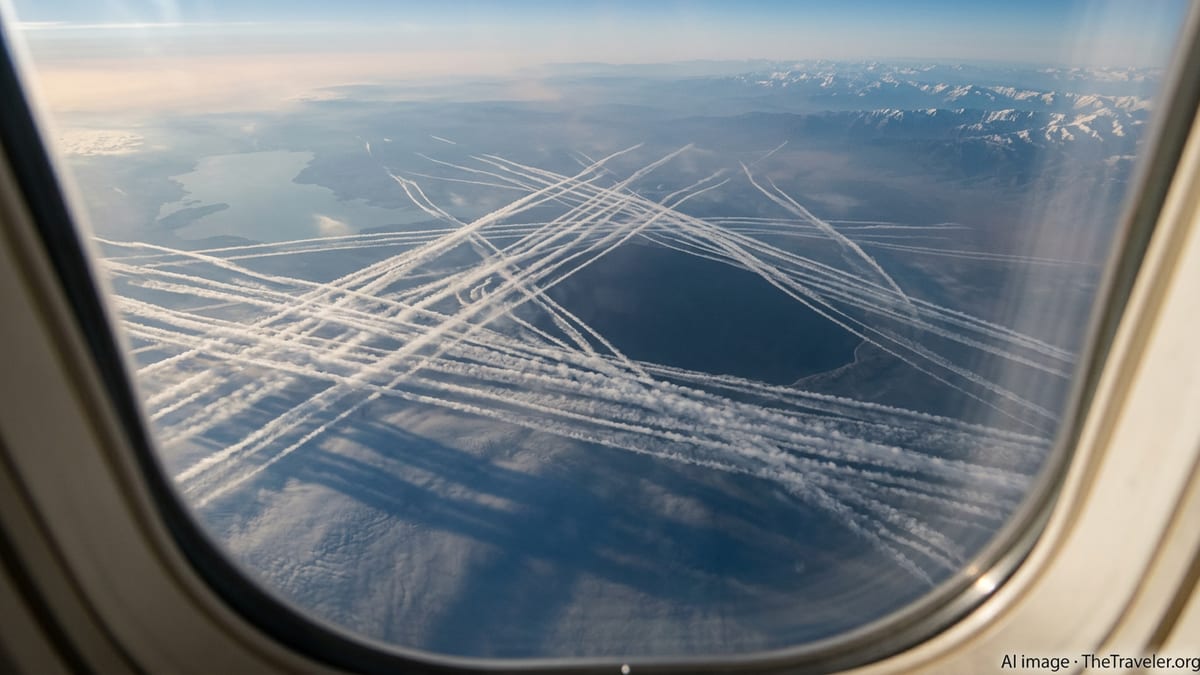
Recent State Department global travel messaging has warned Americans to anticipate possible flight cancellations and periodic airspace closures tied to regional tensions. For travelers, that translates into a higher likelihood of rebookings, longer routings, and unexpected overnight stays in transit cities when airlines divert around restricted airspace.
Even when your destination is outside the immediate hotspot, common connections through major hubs can be affected by changes in airline routings, aircraft availability, and crew duty-time limits. Travelers with tight connections or nonrefundable ground bookings may want to build extra buffer time on both ends of the trip and think through what happens if they must overnight unexpectedly.
Separately, Red Sea and Gulf-area security developments can influence maritime routes and insurance costs, which can affect cruise itineraries and ferry operations. Published coverage has also highlighted renewed attention on freedom of navigation in key chokepoints, an issue that can factor into how carriers plan routes and schedule port calls.
Country-by-country advisory levels remain uneven across the region
The broad regional alert sits alongside country-specific Travel Advisories that can differ substantially. For example, the State Department’s current advisory for Saudi Arabia is Level 3, “Reconsider travel,” and notes risks that include missile and drone threats, armed conflict concerns, and the possibility of limited U.S. government ability to assist in certain areas.
Other destinations remain at Level 4, “Do not travel,” including Iraq, where the State Department flags a combination of terrorism, kidnapping or hostage taking, armed conflict, and limited capacity to provide emergency services. Iran is also listed at Level 4, with longstanding warnings that include risk of wrongful detention and other severe safety concerns.
Jordan’s Travel Advisory also reflects the broader regional context, with language referencing the ongoing threat environment tied to the wider conflict and warnings about disruptions to commercial flights, alongside specific geographic areas travelers are urged to avoid.
Steps travelers can take before departure
The State Department continues to encourage Americans abroad to enroll in the Smart Traveler Enrollment Program (STEP) to receive security messages and make it easier to be contacted during emergencies. Travelers can also monitor TravelGov’s official social channels and embassy pages for updates that are more granular than the umbrella alert.
Before leaving the U.S., travelers can reduce risk by confirming their documents and contingency plans: keep passport validity well beyond the trip dates, store digital and paper copies of key documents, and confirm whether your itinerary could be rerouted through a country that requires advance visas or has restrictions that could affect entry or transit.
Given the possibility of sudden schedule changes, travelers may also want to review airline rebooking rules, verify travel insurance coverage for trip interruption and medical care, and identify where to get reliable help if a flight is canceled overnight. Many disruptions become logistical problems first, even before they become safety problems.
What to do if you are already in the region
For Americans already traveling or living in the Middle East, State Department guidance emphasizes staying aware of local conditions and following instructions from local authorities where applicable. Travelers can also track embassy security alerts for their specific city, since restrictions and recommended precautions can vary significantly within a single country.
In higher-risk locations, travelers may want to consider limiting predictable routines, avoiding large crowds, and confirming safe transport options in advance rather than making last-minute decisions. It can also help to identify the nearest U.S. embassy or consulate and keep contact details accessible in case communications are disrupted.
For those considering departure, publicly available State Department messaging in recent months has encouraged Americans to use available commercial transportation when it is operating, while remaining prepared for sudden changes in flight availability. That flexibility can be crucial in a region where airspace decisions, route closures, and airline operations can change quickly.