


More news on this day
Singapore’s The Business Times is quietly turning hotel lobbies and guest rooms into live newsstands, using global hospitality partnerships to beam real-time Asian business intelligence directly to travellers on the move.
Get the latest news straight to your inbox!
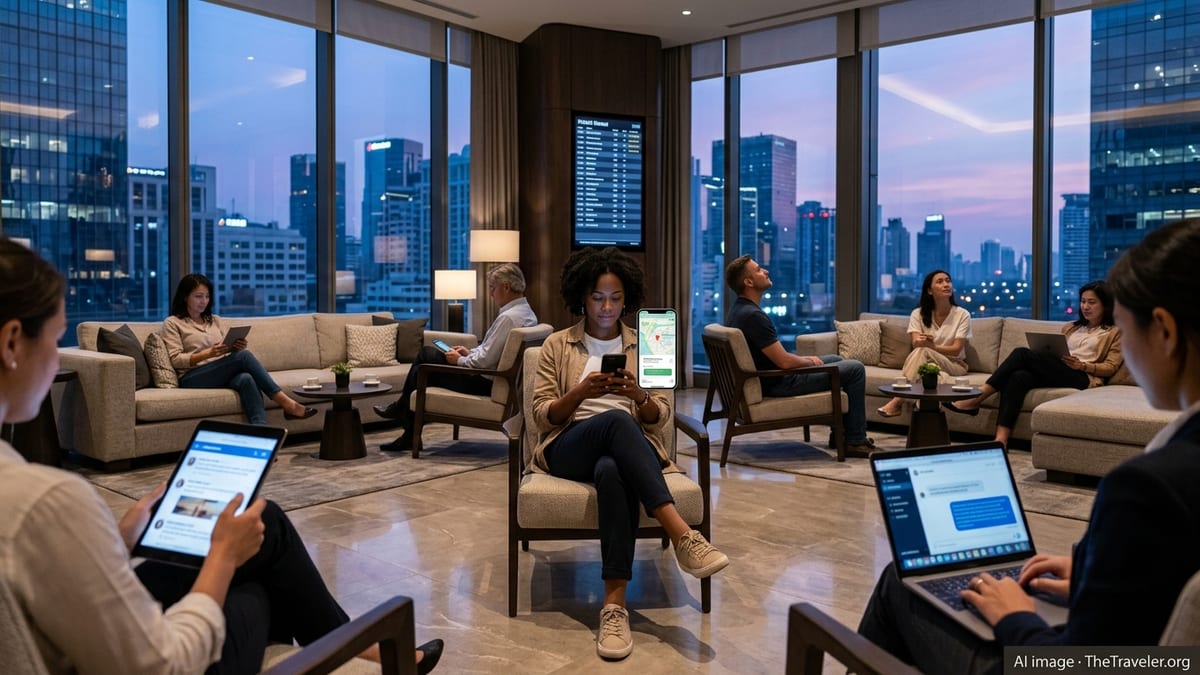
A Newspaper That Follows the Traveller
The Business Times, a Singapore-based financial daily under SPH Media, has spent the past year expanding how and where its journalism is consumed. Instead of relying only on web and app traffic, the publication is embedding its content inside the spaces where business travellers already spend the most time: hotels and airlines.
A dedicated partner-hotels programme now places The Business Times in more than 200 properties worldwide, from serviced residences in major Asian hubs to full-service hotels in North America and Europe. Publicly available information on the initiative shows that participating brands include The Ascott Limited, Frasers Hospitality and Millennium Hotels and Resorts, among others, covering markets from Tokyo and Bangkok to New York and London.
In many of these hotels, travellers can access the paper’s coverage by scanning QR codes in rooms or common areas, unlocking live market reports, regional policy coverage and analytical features on Asian corporate activity. This turns a previously static amenity, such as a complimentary newspaper at reception, into a personalised entry point to a wider digital news ecosystem.
The partnerships position The Business Times as an always-on companion to executives whose work increasingly spans several time zones. It also reflects a broader trend in the media industry to meet readers where they are, rather than waiting for them to seek out a news site or app directly.
Hotel Partnerships as Data-Rich Touchpoints
For hotel operators, the tie-ups provide more than a brand association with a recognised business title. They create new, data-rich touchpoints at a moment when hospitality groups are racing to deepen their understanding of guest behaviour and preferences.
Industry studies in Singapore highlight how hotels are turning to data analytics to refine pricing, customise experiences and forecast demand amid volatile travel flows. As properties add digital services in rooms and public spaces, embedded news access becomes another signal of guest interests, from the types of content most read to the times of day that engagement peaks.
Several of the partner portfolios sit in key business districts or innovation hubs, such as Singapore’s one-north precinct and central business areas in major cities. This aligns with a wider push in urban planning and hospitality development to integrate accommodation, workspaces and lifestyle offerings, making it easier for corporate guests to move seamlessly between meetings, networking events and time-sensitive research.
In this context, The Business Times’ presence inside hotels functions as an extension of the workspace itself. Travellers can step out of a conference room and, within minutes, review analysis on regional deals, regulatory changes or technology trends from a publication that specialises in Asian business and capital markets.
From Airport Lounge to Guest Room: A Wider Distribution Web
The hotel push is only one strand of a broader distribution strategy that is drawing The Business Times further into the travel ecosystem. In March 2026, SPH Media announced that digital subscriptions to The Business Times and The Straits Times would be sold through KrisShop, the retail platform associated with Singapore Airlines. Publicly available reports on the tie-up indicate that passengers can use loyalty miles to buy access to the titles.
This arrangement connects air travellers directly to the paper’s digital products, allowing them to secure a subscription at the same time they purchase duty-free goods or travel accessories. It reinforces a model in which travel planning, retail and information consumption are bundled into a single journey rather than treated as separate activities.
Taken together, the hotel and airline-related initiatives are building a web of distribution across the typical corporate itinerary. A traveller might first acquire a subscription through an airline-linked marketplace, then continue to access The Business Times effortlessly via QR codes and in-room prompts at partner hotels in multiple cities.
Media analysts note that such partnerships allow publishers to reach internationally mobile readers who may be difficult to capture through domestic marketing alone. For The Business Times, which positions itself as a window into Asian markets, this audience of frequent flyers and cross-border executives is central to its growth strategy.
Reframing Travel as a Channel for Business Intelligence
The scale and geography of the partner-hotel network suggest that The Business Times is using hospitality spaces as a distribution channel for what it calls business intelligence, not just daily headlines. The portfolio includes properties in financial centres such as Tokyo, Sydney, Shanghai and New York, as well as emerging markets in South and South-east Asia.
This spread mirrors current forecasts that point to Asia-Pacific as the fastest-growing business travel region, with regional spending expected to lead global corporate travel outlays in the coming years. By being present where these travellers stay, The Business Times effectively positions its regional analysis as part of the infrastructure of doing business in and with Asia.
Within hotels, the integration of live news streams can complement traditional travel information, such as local concierge tips or city guides. Executives reviewing meeting agendas can, at the same time, access coverage on supply chain shifts, capital flows or policy changes that may influence negotiations taking place that very week.
For Singapore, the initiative reinforces the city-state’s wider ambition to function as a hub for both travel and data-driven decision-making. By exporting a Singapore-based perspective on business and markets through hotels worldwide, The Business Times amplifies the country’s role as a vantage point on regional developments.
What This Means for the Future of Travel Intelligence
The moves by The Business Times underscore how the boundary between travel services and informational services is blurring. Hotels are no longer just places to sleep; they are becoming nodes in a real-time information network that supports corporate strategy, deal-making and risk assessment.
Industry observers expect that, as hospitality groups upgrade their digital infrastructure, more properties will participate in partnerships that blend media, data and guest services. This could see hotels offering tiered access to specialised content, from economic briefings to sector-specific reports, tailored to conference groups or long-stay guests.
For travellers, the effect is a gradual shift from passive consumption of whatever channel happens to be playing on an in-room television to active curation of timely, location-relevant intelligence. In this emerging model, scanning a code on a bedside table becomes as important as collecting a room key at check-in.
The Business Times’ expanding hotel network and airline-linked subscriptions indicate that Singapore’s media sector is positioning itself at the intersection of travel and information. As business itineraries grow more complex and data-dependent, such partnerships are likely to shape how global travellers plan, evaluate and navigate their journeys in the years ahead.