


More news on this day
Travelers frustrated by long delays and surprise add-on fees are about to get stronger protections, but those safeguards may come with a new kind of sting: higher base fares as airlines adjust to a wave of consumer-focused rules from the U.S. Department of Transportation.
Get the latest news straight to your inbox!
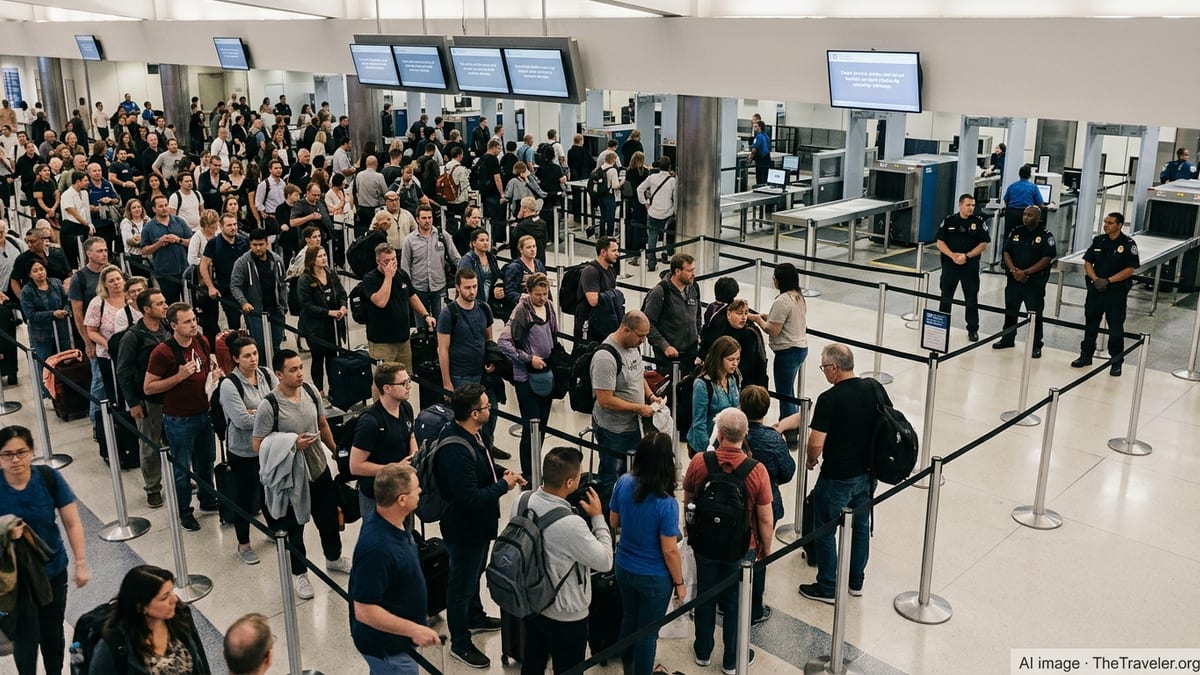
Stronger Refund Rights for Canceled and Significantly Delayed Flights
In recent rulemakings and statutory changes, federal regulators have tightened what airlines must do when a flight is canceled or substantially delayed. A major refund rule finalized in 2024 requires airlines and ticket agents to provide prompt cash refunds when a flight is canceled or when a “significant change” occurs and a traveler declines alternative transportation, credits, or vouchers, according to federal register documents and regulatory summaries.
Publicly available information indicates that “significant changes” now include substantial shifts in departure or arrival times, added connections, or changes in departure or arrival airports. The Department of Transportation has also clarified that travelers must be notified when such changes occur and when they become eligible for a refund, rather than forcing passengers to navigate complex policies on their own.
Separate guidance on refunds, updated in late 2025, further outlines circumstances in which consumers can expect their money back. Those explanations highlight scenarios such as long domestic and international delays or major schedule changes, underscoring that refunds are due when a carrier cannot deliver the service a ticketed passenger originally purchased and the traveler chooses not to accept an altered itinerary.
Advocacy groups and some lawmakers have described these steps as long overdue, arguing that carriers too often steered passengers into vouchers or credits instead of refunds. However, industry representatives have pushed back in formal comments, warning that stricter refund obligations increase their financial risk whenever disruptions occur.
From “Junk Fees” to Upfront Disclosures
In parallel with new refund provisions, the Department has adopted a sweeping rule on ancillary fee transparency that reshapes how airlines and ticket sellers must display the price of add-ons. The final rule on ancillary service fees, published in April 2024, directs airlines and larger ticket agents to provide specific, real-time prices for critical extras such as first and second checked bags, carry-on bags, and change and cancellation fees before a traveler completes a purchase.
Regulatory documents and oversight reports describe a phased compliance schedule. Airlines must share fee data with ticket agents and meet core disclosure requirements by late 2024 and 2025, while larger online travel agencies follow later, and smaller agents receive additional time. Fee information will need to appear clearly and early in the booking path, with centralized pages summarizing optional services instead of relying on hard-to-interpret ranges or scattered fine print.
Supporters argue that clearer disclosure makes comparison shopping easier and reduces the risk of travelers being blindsided at the airport by hundreds of dollars in add-ons for bags or changes. According to published coverage, the rules are part of a broader federal initiative targeting so-called “junk fees” in everything from concert tickets to hotel resort charges, with air travel squarely in the spotlight.
Major carriers and trade associations, however, have argued in regulatory filings and public statements that the fee rule is unnecessary and overly prescriptive. They contend that airlines already compete vigorously on price and services, and that the cost of redesigning systems, sharing fee data, and meeting new disclosure standards could ultimately be passed on to travelers.
Potential Ripple Effects on Fares and Delay Costs
The central tension for travelers is whether these enhanced protections will quietly translate into higher upfront prices. Reports on industry responses indicate that airlines view the new refund obligations and fee-display mandates as operationally complex and financially significant, particularly during irregular operations when schedule disruptions cascade across a network.
If airlines must more frequently refund tickets when delays cross specific thresholds, the financial risk of disruptions shifts more squarely onto the carrier rather than the traveler. That change makes it harder to rely on rebooking or credits as default solutions. Carriers may respond by adjusting revenue management strategies, potentially nudging base fares higher to offset the increased likelihood of paying back customers in cash when schedules fall apart.
At the same time, mandated fee transparency narrows the space for surprise revenue from last-minute bag or change charges. Airlines that previously relied on complex fee structures or opaque ranges may see some ancillary income flatten as consumers comparison-shop more effectively. To preserve margins, some analysts and advocacy organizations have suggested that carriers could lean more on fare increases or rebalanced fee menus that bake more of the true cost into the advertised ticket price.
For travelers, that could mean fewer rock-bottom teaser fares that balloon in price later during checkout, but more realistic all-in costs upfront. The net effect will depend on how aggressively carriers restructure their pricing and how willing consumers are to pay slightly more for tickets that come with clearer rights and fewer unpleasant surprises when things go wrong.
Future Rules Could Tie Direct Cash to Airline-Caused Delays
The regulatory landscape is still evolving, and new proposals under discussion could expand passenger protections even further in ways that directly target delays and airline-caused disruptions. In late 2024, transportation officials launched an advance rulemaking process to consider requiring airlines to pay automatic cash compensation, provide free rebooking, and cover meals and hotel stays when disruptions are within the carrier’s control, such as mechanical failures or IT outages.
According to the public notice, the Department is seeking comment on whether compensation should vary by airline size or depend on how far in advance a traveler is notified of a cancellation or significant delay. The concept would move the United States closer to a model seen in some other regions, where specific delay thresholds can trigger automatic payments to passengers, separate from refunds.
If such a system is eventually adopted, the cost implications for airlines could be substantial. Compensating passengers for delays in addition to providing refunds for cancellations and significant schedule changes would further raise the financial stakes when operations falter. Industry comments and policy analyses suggest that carriers are likely to argue that additional mandates would force them to build those potential payouts into ticket prices.
For travelers, that scenario presents a tradeoff: stronger assurances that long, airline-caused delays come with tangible compensation, but a growing possibility that the base price of many tickets will creep upward to cover that risk. The outcome of the rulemaking, which is still at an early stage, will be closely watched by consumer advocates, airlines, and travel planners alike.
What Travelers Should Watch as the Rules Phase In
Most of the key refund and fee transparency requirements are rolling out over several years, which means travelers may notice gradual changes rather than an overnight transformation. Regulatory calendars and government reports show compliance deadlines stretching from 2024 through 2026, with airlines and ticket agents expected to update websites, mobile apps, and customer notifications across that period.
During the transition, passengers may see clearer prompts about their right to a cash refund when a flight is canceled or significantly changed, more detailed breakdowns of baggage and change fees at the time of booking, and standardized descriptions of what happens when delays and disruptions occur. Some airlines may go further than required in an effort to market themselves as more passenger-friendly, while others could take a more minimal approach that meets the letter of the rules.
Budget-conscious travelers might also start to notice shifts in fare structures. Rock-bottom base fares could be less common on certain routes if carriers decide it makes more sense to present higher but more inclusive prices that account for refunds, operational risks, and reduced freedom to rely on opaque fees. On the other hand, increased transparency could intensify competition, pushing some airlines to streamline operations and reduce delay-related costs rather than raising prices.
For now, the main takeaway for travelers is that the fine print is changing in their favor, even if the price tags eventually inch up. Understanding the new refund triggers, paying close attention to fee breakdowns, and keeping records of significant delays or cancellations will help travelers make the most of the protections embedded in the latest round of DOT rules.
U.S. DOT Office of Aviation Consumer Protection – Latest News
U.S. DOT – Refunds Guidance for Air Travelers
Final Rule – Enhancing Transparency of Airline Ancillary Service Fees
DOT Rulemaking to Protect Passengers Stranded by Airline Disruptions
Federal Register – Airline Refunds and Other Consumer Protections