


Planning a trip to Norway built around fjords, characterful coastal cities, scenic routes and outdoor adventures is as exciting as it is overwhelming. Distances are long, weather shifts fast and experiences range from budget friendly hikes above deep-blue fjords to premium cruises and boutique hotels. This guide breaks the planning into clear steps, using real-world examples from places like Bergen, Ålesund, Stavanger, Geirangerfjord and Nærøyfjord so you can design a trip that fits your time, budget and appetite for adventure.
Get the latest updates straight to your inbox!
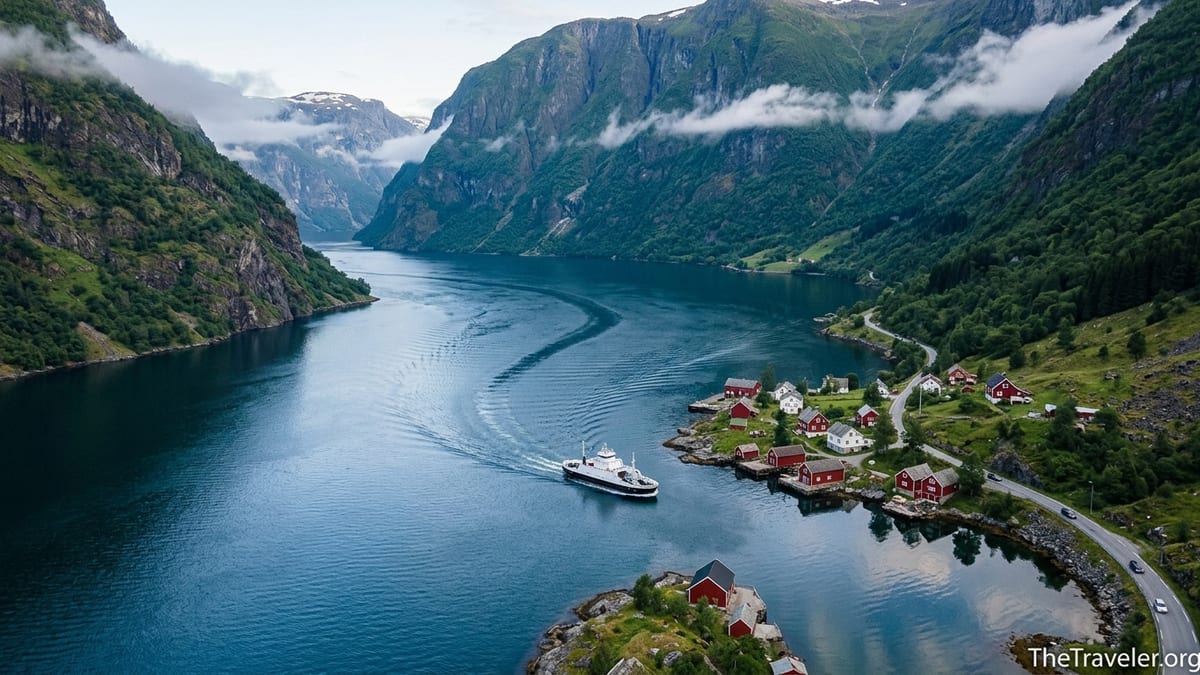
Choosing the Best Time to Visit Norway’s Fjords
Norway’s fjord region is technically a year round destination, but the experience you have in May is very different from what you will find in November. For classic green slopes, open mountain roads and frequent fjord ferries, most travelers target late May to early September. For example, many mountain passes around Geirangerfjord and the Sognefjellet route usually open sometime in May or early June and stay open into September, which is crucial if you plan to drive scenic routes rather than rely only on ferries and tunnels.
Summer, from mid June through August, brings the longest days, regular cruise schedules and the widest choice of outdoor tours. Around Bergen or Ålesund in July, typical daytime highs are in the low to mid teens Celsius, often between the high 50s and mid 60s Fahrenheit, with frequent showers but plenty of bright spells. This is also peak season, so you can expect higher hotel rates in fjord towns such as Geiranger and Flåm, and busier hiking trails to viewpoints like Trolltunga or Preikestolen near Stavanger.
Shoulder seasons in May and September offer a compelling balance. In late May at Geirangerfjord, waterfalls like the Seven Sisters are often at their most dramatic as snow melts in the high mountains, yet cruise berths and roads are a little quieter than in mid summer. September often brings calmer weather, softer light for photography and fewer crowds, but some seasonal boat routes and high trails will begin to wind down operations toward the end of the month.
In winter, roughly November to March, the classic green fjord scenery gives way to a more austere, dramatic look. Many smaller fjord hotels and kayak operators close, but larger cities like Bergen and Ålesund stay open and coastal voyages continue. If you extend further north toward Tromsø or the Lofoten area at this time of year, you are entering prime season for northern lights chasing, but road conditions can be demanding and daylight limited, which makes self drive exploration of high mountain scenic routes less practical.
Building a Fjord Focused Itinerary
Most fjord itineraries start and end in either Oslo or Bergen, which are the main international gateways. A classic first time route for 7 to 10 days is to fly into Oslo, spend one or two nights exploring the city’s harborfront and museums, then travel west by train and boat to reach the deep fjords and finish in Bergen. One well known example is the so called Norway in a Nutshell combination, which strings together the Oslo to Myrdal railway, the steep Flåmsbana train down to Flåm, and a fjord cruise on Aurlandsfjord and Nærøyfjord ending near Voss before continuing to Bergen.
If you have 10 to 14 days and prefer a road trip, you might start in Bergen and make a loop through key fjord areas. A realistic route could be Bergen to Flåm and the Nærøyfjord area, then north to Sogndal and on to the UNESCO listed Geirangerfjord, finishing in Ålesund before looping back via the coastal roads or a short domestic flight. This type of trip allows you to incorporate famous National Tourist Routes, such as the Trollstigen and Geiranger section of Road 63 or the Sognefjellet pass, which combine engineered viewpoints with big mountain and fjord panoramas.
Travelers focused on southern fjords and iconic hikes may instead anchor their trip in Stavanger and Bergen. A one week itinerary might include flying into Stavanger for the hike to Preikestolen over Lysefjord, driving the scenic Jæren coast between Stavanger and Egersund with its long sandy beaches, then heading north via the Ryfylke and Hardanger areas before ending in Bergen’s historic Bryggen district. This route keeps driving segments relatively short, often three to four hours between overnight stops, which helps avoid fatigue on Norway’s often narrow and winding roads.
Those seeking a mix of fjords and Arctic scenery might add Tromsø or the Senja National Tourist Route in the north. For example, after a week in western fjords, you could fly from Bergen to Tromsø, rent a car there and drive the coastal route around the island of Senja, which has its own dramatic fjord inlets, beaches and sharp peaks. This adds flight cost, but gives a sense of just how varied Norway’s fjord landscapes can be between the mild, lush west coast and the cooler, more rugged north.
Key Fjord Cities and Bases
Choosing the right base cities makes fjord travel far more efficient, because local transport and tour infrastructure is concentrated in a few hubs. Bergen is the main gateway to western fjords. It has an atmospheric harbor, the historic wooden warehouses of Bryggen, and easy access to outings like the Fløibanen funicular for city views. More importantly for planning, day trips from Bergen include fast boats into the Sognefjord area, local fjord cruises in the Osterfjord region and guided hikes in the nearby mountains, which let you sample fjord landscapes without changing hotels every night.
Ålesund, further north, is a compact coastal city rebuilt in Art Nouveau style that works as an ideal base for Geirangerfjord and the Sunnmøre Alps. Many summer boat excursions to Geiranger depart from Ålesund’s harbor, allowing you to experience towering cliffs and waterfalls in a long day trip if you prefer not to overnight in small fjord villages. If you would rather stay closer, places like Geiranger, Hellesylt or Stranda offer smaller guesthouses and camping cabins with balcony views directly over the water.
Stavanger is the main jumping off point for Lysefjord and the famous hike to Preikestolen, the cliff plateau that hangs more than 600 meters over the water. The city itself has a charming old quarter of white wooden houses and a busy harbor, with cruise ships calling frequently in summer. As a base, it offers frequent buses to trailheads, organized day tours that combine boat trips on Lysefjord with guided hikes, and access to the Jæren coastal landscape, where long beaches and lighthouses contrast with the steep fjords further north.
Further afield, Tromsø is not in the core western fjord region but is relevant for travelers combining fjords with Arctic experiences. It serves as a hub for winter northern lights tours and summer boat trips among the islands of northern Norway. While the surrounding fjords are generally broader and less vertical than those around Geiranger or Nærøyfjord, the combination of sea, peaks and midnight sun makes Tromsø a strong addition for travelers with two weeks or more and a desire to see both fjord and Arctic environments on the same trip.
Scenic Routes, Ferries and Getting Around
One of the defining features of a Norway fjord trip is simply moving from place to place. Road, rail and ferry journeys are often as memorable as the destinations. Norway’s National Tourist Routes are a set of particularly beautiful stretches of highway enhanced with architect designed viewpoints and rest areas. Examples include the Geiranger and Trollstigen route on Road 63, the Hardanger route in the Hardangerfjord region, the Sognefjellet road across the mountains from Lom to Gaupne and the coastal Senja route in the north. These drives allow you to stop at sculpted lookouts and short walking paths that frame the landscape in striking ways.
Driving times in Norway can be deceptive. A 150 kilometer leg along fjord shores and over mountain passes may easily take three hours or more, even in fine weather, because of narrow lanes, tunnels and frequent photo stops. For example, the drive from Bergen to Flåm is roughly three hours without breaks, but most travelers will want to allow a full day to stop for waterfalls, viewpoints and lunch. Car rental costs vary by season, but in high summer it is common to see compact rentals from major agencies priced in the range of several hundred dollars per week before fuel, tolls and ferries.
Ferries are an integral part of the fjord network rather than a novelty. On major fjord crossings, drive on car ferries run multiple times per day and payment is often handled automatically through Norway’s toll system or onboard scanning. On narrower arms like Nærøyfjord, sightseeing boats and smaller vehicular ferries connect villages such as Flåm, Gudvangen and Kaupanger, and operate on fixed timetables that you need to factor into your route. Timetables can shift between seasons, so it is wise to check departure times for the month of your visit when sketching daily plans.
Rail also plays a big role if you prefer not to drive. The Bergen Line between Oslo and Bergen is a long but very scenic journey across the Hardangervidda plateau, with the spur down to Flåm on the Flåmsbana offering classic fjord views. Many travelers combine rail with local buses and fjord cruises instead of renting a car. For example, you might travel Oslo to Flåm by rail, take a fjord cruise to Gudvangen, continue by bus to Voss and then train to Bergen. This approach reduces stress in mountain weather, at the cost of some flexibility compared to self drive.
Budgeting, Accommodation and Booking Strategy
Norway has a reputation as an expensive destination, and fjord areas are no exception. That said, with some careful choices you can balance big ticket experiences with lower cost days in nature. Accommodation is likely to be your largest expense. In peak season, mid range hotels in popular fjord villages such as Flåm or Geiranger often price from the upper double digits to low triple digits in US dollars per night, and can sell out months ahead for July and August dates. In cities like Bergen and Ålesund, chain hotels and smaller guesthouses slightly away from the harbor are usually better value than waterfront properties directly facing cruise berths.
Cottages and camping cabins are a key part of the accommodation landscape. Campgrounds around fjords usually offer basic wooden cabins with small kitchenettes and shared facilities, suitable for couples or families, at lower nightly rates than full service hotels. For example, a simple one room hytte by a fjordside campsite might cost a fraction of a central hotel room, especially in shoulder season. Many such cabins can be booked online in advance, but during the quieter months you may also find space by calling a day or two prior, as long as you are flexible about exact location.
Food costs can add up quickly if you rely solely on restaurant meals in tourist hot spots. A sit down restaurant dinner in a fjord village with a main course of local fish might easily reach the equivalent of several tens of dollars per person. To keep spending under control, many travelers use supermarket chains such as Coop or Rema 1000 to stock up on breakfast items and picnic lunches, then choose a few standout meals in places known for good local cuisine, such as seafood restaurants on the Bergen harborfront or small bistros in Ålesund. Booking accommodations with guest kitchens or at least kettles and fridges makes this much easier.
For activities, plan on a mix of free experiences such as hikes and scenic drives, and paid outings like guided kayak tours, fjord cruises or via ferrata climbs. A standard two hour sightseeing fjord cruise from Flåm or Geiranger might cost in the range of tens of dollars per adult. More specialized tours, such as small group RIB boat safaris in Nærøyfjord or guided hikes on glaciers like Nigardsbreen, will cost more but can be worth building into your budget if they highlight something you are specifically passionate about, whether that is wildlife, geology or photography.
Outdoor Adventures: Hiking, Kayaking and Beyond
Outdoor activities are what bring many travelers to Norway’s fjord regions, and there is a wide range of options for different fitness levels. Hikes above the fjords are among the most iconic. The trek to Preikestolen above Lysefjord is often considered moderate, taking several hours return on a well marked trail with rocky sections and some elevation gain. In contrast, Trolltunga near Odda and the Besseggen ridge in Jotunheimen are long, demanding day hikes that require good fitness, solid footwear, early starts and respect for changeable mountain weather.
For a gentler introduction, shorter walks to marked viewpoints are available almost everywhere. Above Geiranger, viewpoints such as Flydalsjuvet and Dalsnibba are accessible by road in summer, with short paths from parking areas to raised platforms. Around Nærøyfjord, simple trails lead from villages like Bakka or Gudvangen into side valleys and low ridges, giving big views without committing to a whole day in rough terrain. Even in cities, you will find easily accessible outdoor experiences: from Bergen’s city center, you can ride the Fløibanen funicular then walk on a network of forest paths that feel surprisingly wild given their proximity to town.
Water based activities are just as rewarding. Kayaking on a calm fjord early in the morning, when the water can feel like polished glass, is a highlight for many visitors. Rental outlets in Flåm, Geiranger, Ålesund and several smaller villages offer guided tours and, for experienced paddlers, independent rentals with safety briefings and equipment. In good conditions a half day guided paddle will give you time to explore side inlets, land on small beaches and learn about local farms and geology from your guide. Dry suits or waterproof layers are often provided or strongly recommended, as fjord water remains cold even in midsummer.
More specialized adventures range from glacier walks to cycling and fishing. Guided glacier hikes on accessible arms of larger icefields, such as Nigardsbreen in the Jostedalsbreen area, typically provide crampons, ice axes and helmets, and focus on safe exploration of crevasses and meltwater channels. Cycling is popular on quieter valley floors and along certain National Cycle Routes that intersect with fjord areas. Seasonal fishing trips, either from shore or by boat, are widely offered out of cities and villages, with local crews providing equipment and knowledge of regulations, particularly around protected species and catch limits.
Practical Tips: Right to Roam, Weather and Safety
Norway’s outdoor culture is supported by the traditional right to roam, known locally as allemannsretten, which allows people to access uncultivated land for walking and tent camping under clear conditions. In practical terms, this means that pitching a small tent on uncultivated land at least a respectful distance from houses, typically around 150 meters, is usually permitted for short stays, as long as you leave no trace. However, this right does not extend to motor vehicles, so sleeping in a campervan or motorhome outside designated parking or camping areas is more restricted and subject to local rules.
Many municipalities in popular fjord regions have introduced dedicated motorhome parking areas and signage clarifying where overnight stays are allowed. Some coastal spots and sensitive natural areas have implemented targeted restrictions on wild camping and overnight parking because of crowding and environmental impact. For travelers, the easiest approach is often to mix commercial campgrounds, which usually offer showers, kitchens and sometimes laundry, with occasional nights in simple cabins or guesthouses. Always respect local signs that prohibit camping or fires, even if maps or older guidebooks suggest that an area used to be more relaxed.
Weather in the fjord regions is famously changeable. It is quite common to experience sunshine, rain and fog in a single day, especially along the coast around Bergen and in the high mountains above Geiranger. Even in July, temperatures at higher elevations can drop close to freezing at night, particularly on exposed ridges and passes. As a result, packing layered clothing is critical. A practical kit might include a moisture wicking base layer, a light fleece or wool mid layer, a fully waterproof and windproof shell, quick drying hiking trousers, hat and gloves, along with sturdy waterproof boots for any hike that ventures beyond paved paths.
Safety wise, most incidents in the fjord areas are related to underestimating distances, overestimating fitness or ignoring weather forecasts rather than to dramatic cliff edge falls. To reduce risk, always check local forecasts before starting long hikes, pay attention to any warnings at trailheads, and be realistic about how long a route might take you compared to guidebook estimates. In remote areas, mobile coverage can be patchy, so downloading offline maps and telling your accommodation host about your plans is sensible. On the water, listen carefully to safety briefings, wear provided flotation vests and, for winter or shoulder season trips, consider organized tours rather than independent paddling.
The Takeaway
Planning a Norway trip that weaves together fjords, atmospheric coastal cities, scenic drives and outdoor adventures is less about ticking off a fixed list of sights and more about matching your routes to your travel style. Starting with the right season, choosing practical bases such as Bergen, Ålesund or Stavanger, and allowing generous time for ferries and scenic detours will help your trip feel spacious rather than rushed. Mixing premium experiences like fjord cruises or glacier walks with low cost pleasures such as city hill hikes and picnics by the water keeps both budget and energy in balance.
If you approach Norway with patience, respect for nature and a willingness to adapt to the weather on any given day, the reward is a landscape that feels both deeply wild and surprisingly accessible. Whether you are standing on a viewpoint above Geirangerfjord, drifting in a kayak under waterfalls in Nærøyfjord, or wandering cobbled streets in Bergen as mist drifts in from the harbor, the combination of raw nature and human scale towns is what makes a fjord centered Norway journey so memorable.
FAQ
Q1. How many days do I need for a fjord focused trip to Norway?
For a first visit centered on western fjords, 7 to 10 days is a practical minimum. That allows for arrival in Oslo or Bergen, travel into one or two major fjord areas such as Nærøyfjord and Geirangerfjord, and time in at least one city like Bergen or Ålesund without rushing every transfer.
Q2. Is it better to rent a car or rely on public transport for the fjords?
Both approaches work, but they create different styles of trip. Renting a car offers maximum flexibility for stopping at viewpoints and tackling quieter scenic routes, but comes with higher costs, tolls and the need to drive on narrow roads. Public transport plus organized fjord cruises and buses, such as the well known rail and boat combinations between Oslo, Flåm and Bergen, simplifies logistics and suits travelers who prefer not to drive in mountain conditions.
Q3. When is the best month to see Norway’s fjords?
The most popular window is from late May to early September, when mountain roads and hiking trails are generally open and fjord cruise schedules are frequent. Late May and June often bring strong waterfall flows and fewer crowds, while July and early August offer the warmest temperatures and longest days, but also the highest prices and busiest ports.
Q4. Can I camp freely anywhere in the Norwegian fjords?
Tent camping on uncultivated land is widely permitted under Norway’s right to roam, as long as you keep a respectful distance from houses, stay only briefly and leave no trace. However, this does not usually apply to sleeping in vehicles, and some popular fjord areas have introduced local restrictions on wild camping. To avoid problems, combine official campgrounds and cabins with any wild camping and always follow posted signs.
Q5. How expensive is a fjord trip compared to other European destinations?
Norway generally costs more than many other European countries for accommodation, restaurant meals and alcohol. A mid range hotel room in a popular fjord village in high season is likely to be significantly more expensive than a comparable room in southern Europe. That said, many of the most memorable fjord experiences, such as hikes and scenic viewpoints, are free, and self catering using supermarkets can keep daily expenses under better control.
Q6. Do I need to book fjord cruises and scenic trains in advance?
In peak summer, advance booking is strongly recommended for popular services like the Flåmsbana railway, well known fjord cruises from Flåm or Geiranger, and longer coastal voyages. Outside July and early August, it is often easier to find last minute space, but schedules may be less frequent. As a rule of thumb, if an experience is central to your trip, it is safer to reserve it before you travel.
Q7. What should I pack for hiking and outdoor activities in the fjords?
Pack for rapid weather changes rather than a single climate. Essential items include comfortable waterproof hiking boots, layered clothing with a warm mid layer, a fully waterproof shell, hat and gloves even in summer, a small backpack, refillable water bottle and basic first aid. For boat trips and kayaking, quick drying clothing and a warm layer for when the wind picks up will make a big difference to your comfort.
Q8. Is driving in Norway difficult for visitors?
Driving is generally safe, with well maintained roads and careful local drivers, but it can be demanding in fjord regions. Expect narrow lanes, numerous tunnels, occasional ferries as part of the main road network and steep climbs and descents on mountain passes. If you are comfortable with manual transmission and mountain driving, you should adapt quickly. If not, consider renting an automatic car, keeping daily distances modest and avoiding winter mountain driving unless you have experience.
Q9. Can I visit both the fjords and the northern lights in one trip?
It is possible, but timing is crucial. The best chances for northern lights in areas like Tromsø are from roughly September to March, when nights are dark, while the most accessible fjord hiking season is from late May to September. A practical compromise is to travel in late September or early October, when many fjord services are still running and nights are dark enough in northern Norway for aurora hunting, then use domestic flights to connect between regions.
Q10. Are Norway’s fjords suitable for families with children?
Yes, fjord regions can be very family friendly if you pace the itinerary. Many sightseeing cruises, short hikes to viewpoints, gentle kayaking trips and city attractions are suitable for school age children. When planning, keep driving legs relatively short, choose accommodations with space to relax such as cabins or apartments, and focus on a few key bases rather than changing hotels every night to reduce travel fatigue.