


Norway routinely appears on lists of the world’s most beautiful and livable countries, with dramatic fjords, pastel harbors and sleek cities that seem designed for human comfort. Yet many first-time visitors step off the plane in Oslo or Tromsø and feel a jolt of surprise at how expensive, how changeable, and how quietly reserved this northern nation can be. So is Norway worth visiting? For most travelers, the answer is an emphatic yes, as long as you arrive with realistic expectations and a plan that matches your budget, interests and season.
Get the latest updates straight to your inbox!
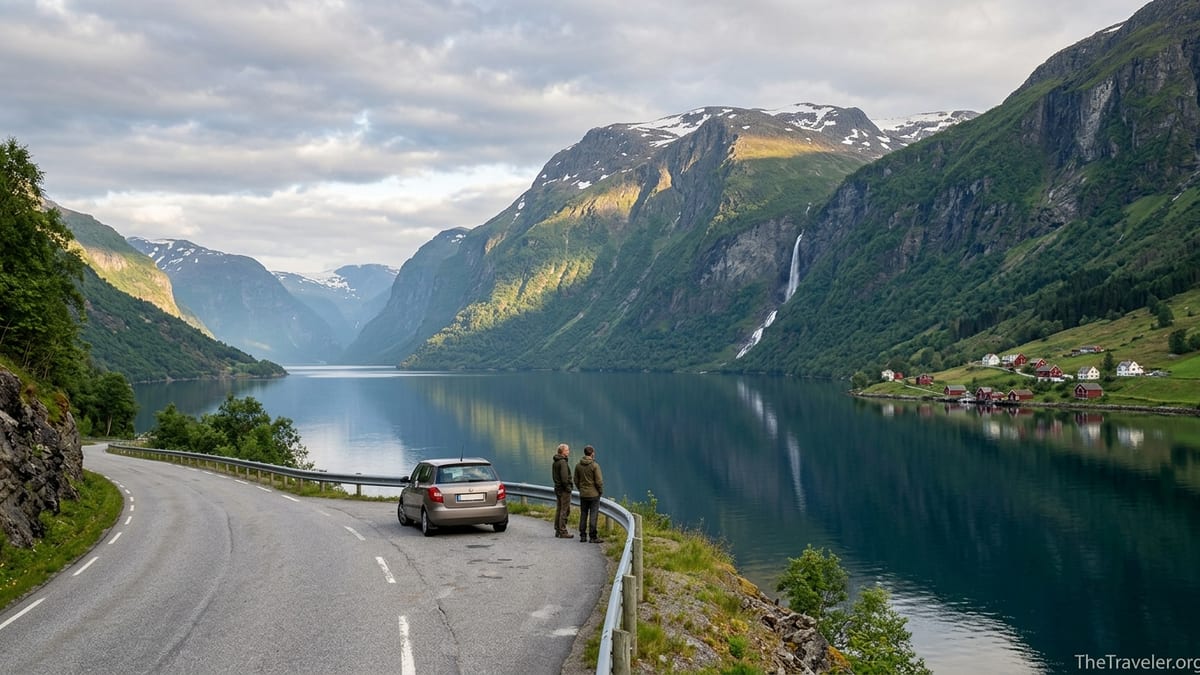
The Big Picture: Why Norway Keeps Trending
Tourism to Norway has been climbing again after the pandemic, driven by travelers who want wild landscapes that still feel orderly and safe. Statistics Norway reported record-breaking domestic hotel nights in 2023, and international arrivals have been rising, especially from Europe and North America, helped by direct flights to Oslo, Bergen and Tromsø. Cruise tourism has also boomed, with more than a million passengers stepping off ships into fjord towns like Geiranger and Flåm in a typical year.
Visitors are not coming for a single marquee sight but for a combination of fjords, northern lights, midnight sun, and a culture that treats outdoor life almost as a religion. Classic postcards are still the Geirangerfjord, the Lofoten wall of jagged peaks over fishing villages like Svolvær, and the view from Pulpit Rock or Trolltunga. But more travelers now pair those with urban time in Oslo’s harbor district, coffee in Bergen’s old wooden lanes, or architecture tours in Trondheim and Stavanger.
At the same time, Norwegian authorities are talking openly about “loving Norway to death” in certain hotspots. Popular fjord villages with a few hundred residents can see several hundred thousand visitors over the summer. That has sparked debates about tourist taxes from 2026 in high-pressure areas and more active visitor management on narrow roads and mountain trails. For travelers, this means Norway is both highly welcoming and increasingly organized about when and how people visit its most fragile places.
All of this context matters when you weigh whether Norway is “worth it.” It is not a cheap, lazy beach break. It is a place where a beer can cost more than a museum ticket, where rain can blow sideways in July, and where a short stretch of road can turn into a once-in-a-lifetime scenic memory.
What Travelers Love: Fjords, Light and Everyday Beauty
Ask people what made Norway unforgettable and the answer usually starts with the landscape. The classic first-timer combination is a few days in Oslo followed by the so-called “Norway in a Nutshell” route, which links the Oslo–Bergen railway with a steep branch line to Flåm and a cruise through the Nærøyfjord. Even jaded travelers who have seen the Alps and New Zealand often say the way farms cling to vertical rock walls and waterfalls blast down beside the tracks feels surreal in the best way.
Then there is the light. In winter, travelers flock north to Tromsø, Alta and the Lofoten Islands hoping to see the aurora borealis. They often describe the first time the northern lights appear as surprisingly emotional rather than just a check-box experience. In summer, the same latitudes swap darkness for long, pearly evenings and weeks of midnight sun. Sitting on a rorbuer cabin deck in Lofoten at 11:30 p.m., with gulls circling over mirror-still water that never quite turns dark, is the moment many visitors cite when they say Norway “got under their skin.”
Urban Norway tends to surprise in a different way: it is not grand like Paris or chaotic like Naples, but many visitors come away talking about how livable it feels. In Oslo, the car-light waterfront around the Opera House and the MUNCH museum is full of people swimming off public piers on summer afternoons. In Bergen, the walk from the UNESCO-listed Bryggen wharf to the funicular up Mount Fløyen passes design shops, seafood stalls and students on café terraces. Travelers who love city breaks often say Norway’s towns feel like places they could imagine living, rather than just touring.
Even mundane details earn praise. Travelers appreciate spotless trains, ferries that run close to schedule even in small fjords, and tap water so clean that buying bottled water feels pointless. Parents note that playgrounds and parks are everywhere. Solo travelers frequently comment on how safe they feel walking back to their hotel late at night, even in larger cities.
What Often Shocks First-Timers: Prices, Weather and Distances
The first and loudest surprise is almost always cost. Norway is routinely ranked among Europe’s most expensive destinations, and real-world examples bear that out. Recent traveler data suggests the average hotel room across Norway runs around 1,700 Norwegian kroner per night, often more in Oslo or Bergen at busy times. In central Oslo, a basic double at a mid-range chain can easily cost 1,500 to 2,000 kroner in summer, and a historic property like the Grand Hotel on Karl Johans gate charges more for its location and heritage.
Food and drink are where many visitors feel the sting. Budget restaurants in major cities typically charge about 190 to 350 kroner for a main course. A casual dinner for two with a couple of beers in Oslo or Bergen often lands around 750 to 900 kroner. A draft beer in a bar routinely costs 100 to 140 kroner, and in high-end hotel bars it can climb higher. Coffee culture is strong, but a simple latte in a city café may still be 45 to 60 kroner. Travellers comparing those figures to prices back home may experience some sticker shock on their first day.
The second big surprise is the weather. Many first-timers arrive in July with an Instagram vision of cobalt skies over the fjords, then spend three days in Bergen watching low cloud and drizzle erase the mountain tops. Norway’s west coast is famously wet, and weather on the Arctic Circle is fickle year-round. Even in peak summer you may need a wool layer and a waterproof shell. Locals joke that “there is no bad weather, only bad clothing,” and seasoned visitors soon learn to pack more like hikers than beachgoers, even for city trips.
Distances also trip people up. On a map, the drive from Bergen to Geiranger or Tromsø to the Lofoten Islands may look manageable, but Norway’s fjords, tunnels and ferries slow things down. An itinerary that reads “Oslo–Bergen–Geiranger–Tromsø–Lofoten–Oslo in 8 days” looks fine on paper and becomes exhausting in real life, with full days spent on buses, ferries or in rental cars. Travelers often report that their only regret was trying to see too much, too fast, in a country that rewards slow travel.
The Nature Culture: Freedom to Roam, With Rules
One of the things travelers tend to love most, especially hikers and campers, is Norway’s outdoor culture. The right to roam, known locally as allemannsretten, gives everyone the legal right to walk, ski and camp on uncultivated land, even when it is privately owned, as long as they act considerately. In practice, this means you can pitch a tent at least 150 meters from the nearest house, stay up to two nights in the same place without special permission, and swim or use small boats on lakes and rivers, provided you do not disturb wildlife or damage crops.
For budget-conscious travelers, this can make Norway more affordable than it appears at first glance. Cyclists and backpackers often combine wild camping with occasional nights in cabins or guesthouses to keep daily costs down. Along some of the National Tourist Routes, such as the Lofoten scenic road or the stretch between Geiranger and Trollstigen, it is common to see small tents in designated lay-bys above fjords, with views that would cost a fortune in a hotel elsewhere in Europe.
What surprises some visitors is that the right to roam has limits, and those limits are being enforced more strictly in busy areas. You cannot drive or park off-road on private property, cannot camp in a car or campervan just anywhere you like, and must obey local signs that restrict overnight parking or camping along popular beaches and viewpoints. In parts of western Norway, municipalities have introduced specific bans on wild camping at heavily used spots after problems with litter, human waste and overcrowding. Travelers who arrive expecting “anything goes” camping find that Norway’s freedom comes wrapped in etiquette and local regulations.
Overall, though, the outdoor access is a major reason many say Norway is worth the journey. Day hikes to places like Preikestolen near Stavanger or the Besseggen ridge in Jotunheimen National Park are well-marked and reachable by public transport or shuttle buses in season. Even city residents treat after-work hikes and cabin weekends as non-negotiable parts of life, a mindset visitors often find contagious.
City Life: Design, Food and a Different Kind of Night Out
Norway’s cities rarely top “bucket list” rankings in the way that Rome, London or Barcelona do, but many travelers end up unexpectedly charmed. Oslo in particular has transformed its waterfront in the past decade. The white, slope-roofed Opera House invites people to walk on the roof, with kids sliding down polished marble and locals lingering at sunset. Nearby, the new MUNCH museum and the National Museum anchor a cultural district, while the Bjørvika and Aker Brygge neighborhoods are packed with restaurants, floating saunas and apartment balconies stacked over the water.
Travelers who enjoy modern architecture and Scandinavian design often rave about details: the calm interiors of boutique hotels, the way tram stops blend into city squares, or the fact that even budget chains like Thon or Comfort tend to have bold colors and good breakfast buffets. In Bergen, the mix of historic Bryggen warehouses with contemporary cultural spaces and music venues creates an atmosphere that feels both old-world and current.
Food is another area where Norway surprises. Yes, eating out is expensive, but the quality is often high. Visitors mention cod and skrei in winter, king crab in the north, and cinnamon buns and cardamom buns in cafés as standouts. Food halls, such as Mathallen in Oslo or the fish market area in Bergen, let travelers sample local specialties at somewhat gentler prices than sit-down restaurants. Supermarket chains like Rema 1000, Kiwi and Coop allow self-caterers to keep costs manageable with picnic lunches and simple dinners.
What may not match every traveler’s expectations is nightlife. Outside of Oslo, Bergen and Stavanger, cities can feel quiet after 10 p.m., especially midweek. Alcohol prices and strict serving rules mean spontaneous bar-hopping is rare among locals; people tend to drink at home before going out, and many travelers comment that “Saturday night” in some towns felt more like a low-key Thursday elsewhere. For some, this calm is a plus. For those hoping for a high-energy party scene everywhere they go, it can feel underwhelming.
Overtourism, Infrastructure and the Push for Sustainability
One of the newer realities shaping Norway as a destination is the tension between rising visitor numbers and fragile nature. Fjord villages like Geiranger, which has only a few hundred permanent residents but sees hundreds of thousands of tourists in summer, have become case studies in both the benefits and pressures of cruise tourism. National Scenic Routes that were once remote secrets now see steady traffic during high season, and Instagram-famous hikes like Trolltunga and Reinebringen in Lofoten have had to upgrade trails, add toilets and introduce shuttle systems to cope with demand.
Travelers may encounter this in concrete ways: needing to pre-book parking for the Trolltunga trailhead, using timed bus departures up narrow valley roads, or seeing new signage that channels foot traffic onto hardened paths to protect vegetation. Some municipalities are planning or introducing local tourist taxes on overnight stays in the most visited areas from 2026 onward, with revenue earmarked for infrastructure and environmental protection. While these measures add a small extra cost, many visitors report appreciating cleaner facilities, better information boards and clearer safety advice as a result.
Another aspect of sustainability is transport. Norway has invested heavily in electric vehicles and charging infrastructure, and many rental fleets now include electric cars. For travelers, this can make road trips cheaper in fuel terms but requires a bit more planning around charging stops, especially in rural areas. Public transport is generally reliable on main routes: long-distance trains link Oslo with Bergen, Trondheim and Stavanger, and an extensive network of buses and express boats connects smaller communities.
For visitors, the net effect is mixed but mostly positive. The most photographed places are busier and more managed than they were a decade ago, so you are unlikely to get Pulpit Rock entirely to yourself in July. On the other hand, trails are safer, viewpoints more accessible, and local communities better supported. Travelers who plan ahead, travel slightly off-season, or choose a few lesser-known fjords or islands alongside the icons often say they found plenty of quiet corners.
Is Norway Worth It for Different Types of Travelers?
Whether Norway is “worth visiting” depends a lot on what kind of trip you want. For outdoor enthusiasts, the answer is almost always yes. Hikers, climbers, skiers and kayak fans describe Norway as a kind of playground, with well-marked routes, robust safety information and jaw-dropping scenery. A day traversing a glacier with a guide in Jostedalen, skiing under floodlights near Oslo in winter, or paddling among the islands near Tromsø can justify the entire airfare for some travelers.
For road-trippers and photographers, Norway can be extraordinary if you are comfortable with winding roads and variable weather. Driving the Atlantic Ocean Road in Møre og Romsdal, following the hairpins of Trollstigen, or meandering along the Lofoten National Tourist Route provides constant stop-the-car moments. Renting a car is not cheap, especially once you add insurance and tolls, but many report that splitting costs between friends or family makes the freedom worthwhile.
Cultural travelers who prioritize museums, food, design and local life over big scenery also tend to enjoy Norway, but their calculation is more nuanced. Oslo, Bergen and Trondheim offer quality over quantity in terms of museums and restaurants. If your ideal city break is days of gallery-hopping, historic architecture and low-cost dining, you may find better value elsewhere in Europe. If you care more about contemporary architecture, waterfront saunas, and cafés with impeccable pastries and coffee, Norwegian cities can feel like a breath of fresh air.
Budget travelers and gap-year backpackers can absolutely visit Norway, but they have to embrace its quirks. Many keep costs down by staying in hostel dorms or camping, cooking most meals, buying alcohol in supermarkets instead of bars, and using regional buses instead of flying internally. Others visit for shorter stays, like a five-day northern lights trip to Tromsø with a couple of carefully chosen tours, rather than attempting a multi-week, see-everything itinerary that would strain their finances.
The Takeaway
Norway is not a destination that tries to seduce with low prices or guaranteed sunshine. It asks a lot of your budget and a bit of your flexibility. In return, it offers some of Europe’s most dramatic landscapes, cities built on human-scale design, and an outdoor culture that invites you to step directly into nature instead of just looking at it through a bus window.
Travelers love Norway for its fjords, northern lights, and almost effortless sense of safety and order. They are often surprised by how expensive everyday things feel, how quickly the weather can turn, and how managed the most famous viewpoints have become. Those who arrive with a realistic budget, layers of clothing, and a willingness to slow down tend to leave with the strongest memories and the fewest regrets.
If you are the kind of traveler who values raw scenery, clean air, and the feeling of being a temporary local in compact, walkable cities, Norway is very likely worth visiting at least once. If your priorities are nightlife on a budget and sunbathing every day, it may fall short. The key is not whether Norway is worth it in the abstract, but whether it is the right match for the kind of trip you want to have right now.
FAQ
Q1. Is Norway actually worth the high cost for a first-time visitor?
For many travelers, yes, as long as they plan carefully. The scenery, safety and quality of infrastructure are exceptional, but you need to accept higher prices, focus on a few regions instead of racing around the entire country, and use strategies like self-catering, public transport and occasional wild camping if your budget is tight.
Q2. How much should I realistically budget per day in Norway?
Budgets vary widely, but a rough guideline is that shoestring travelers who camp and cook can get by on a modest daily amount, mid-range visitors often land somewhere in the low hundreds of dollars per day including accommodation, meals and transport, and those wanting boutique hotels, restaurant dinners and several tours can easily spend more. The best approach is to price out actual hotels, restaurant menus and train fares for your dates before you commit.
Q3. When is the best time of year to visit Norway?
It depends on what you want. June to August is best for long days, most hiking trails, and open mountain roads, though it is also the busiest and often wet on the west coast. February to March is ideal for winter activities and northern lights in the north, with more stable snow conditions. Shoulder months like May and September offer fewer crowds, lower prices in some places and still good chances for hiking or fjord trips, though weather is more unpredictable.
Q4. Is Norway a good destination for budget travelers?
It can be, but only if you are willing to adapt. Staying in hostel dorms or cabins, using wild camping where permitted, cooking most meals from supermarket ingredients and relying on buses rather than flights can keep your costs much lower than someone eating out and staying in hotels every day. If you are not prepared to compromise on comfort or dining, Norway will feel expensive compared with many other destinations.
Q5. Do I need to rent a car, or can I rely on public transport?
You can see a lot of Norway without driving. Trains link major cities, and buses, ferries and express boats connect many fjord towns and trailheads in season. Popular routes like Oslo to Bergen or Oslo to the fjords are easy to do with public transport. Renting a car gives more flexibility in rural regions and for chasing particular photo stops, but you need to factor in rental rates, tolls and parking costs when you compare options.
Q6. How bad is the weather really, and how should I pack?
The weather can change quickly, especially along the west coast and in the north, and even summer days can feel cool and damp. Travelers should pack layers rather than relying on a single heavy coat: a base layer, a warm mid-layer like fleece or wool, and a waterproof, windproof shell. Good walking shoes or light hiking boots and a hat and gloves are useful almost year-round. If you come prepared for rain and colder temperatures, any sunshine feels like a bonus.
Q7. Is Norway safe for solo travelers, including women?
Norway generally ranks among the safer countries in Europe. Most visitors, including solo women, report feeling comfortable walking in city centers and using public transport, even after dark. Usual common-sense precautions still apply, especially late at night in bar districts, but violent crime against tourists is rare, and people are accustomed to solo hikers and travelers.
Q8. Will I be able to see the northern lights on a short trip?
If you travel to northern Norway between roughly late September and late March, you have a decent chance, but there are no guarantees. You need clear, dark skies and solar activity. Many travelers book a few nights in Tromsø or similar northern towns and join a guided aurora chase that drives to clearer weather if needed. On a three or four night winter trip, most visitors see the lights at least once, but it is wise to plan other activities so your whole trip does not hinge on them.
Q9. How crowded are the famous sights like Pulpit Rock and Trolltunga?
In peak summer, they can be very busy, with full parking lots and lines at the most iconic photo spots. Trails have been upgraded in many places to handle the numbers, but you should expect company, not solitude. Starting your hike early in the morning, visiting in shoulder season, or choosing less-famous but still spectacular routes nearby are good ways to enjoy Norway’s nature with fewer crowds.
Q10. Is Norway suitable for families with children?
Very much so. Cities are walkable, public transport is straightforward, playgrounds and parks are common, and many museums have interactive exhibits. Outdoor activities like short hikes, farm visits, fjord cruises and swimming from city beaches or lakes are easy to adapt to different ages. The biggest considerations for families are the higher cost of eating out and the need to pack appropriate clothing so children stay warm and comfortable in changeable weather.