


Buying travel insurance is one thing. Knowing exactly how to use it before anything goes wrong is another. With MSIG travel insurance available across Asia and beyond, many travelers purchase a policy through their airline, a comparison site, or MSIG directly, then leave the documents buried in an inbox. This step by step guide walks you through what to do from the moment you start planning your trip until the day you fly, so that if something happens, you are ready to use your MSIG cover immediately.
Get the latest updates straight to your inbox!
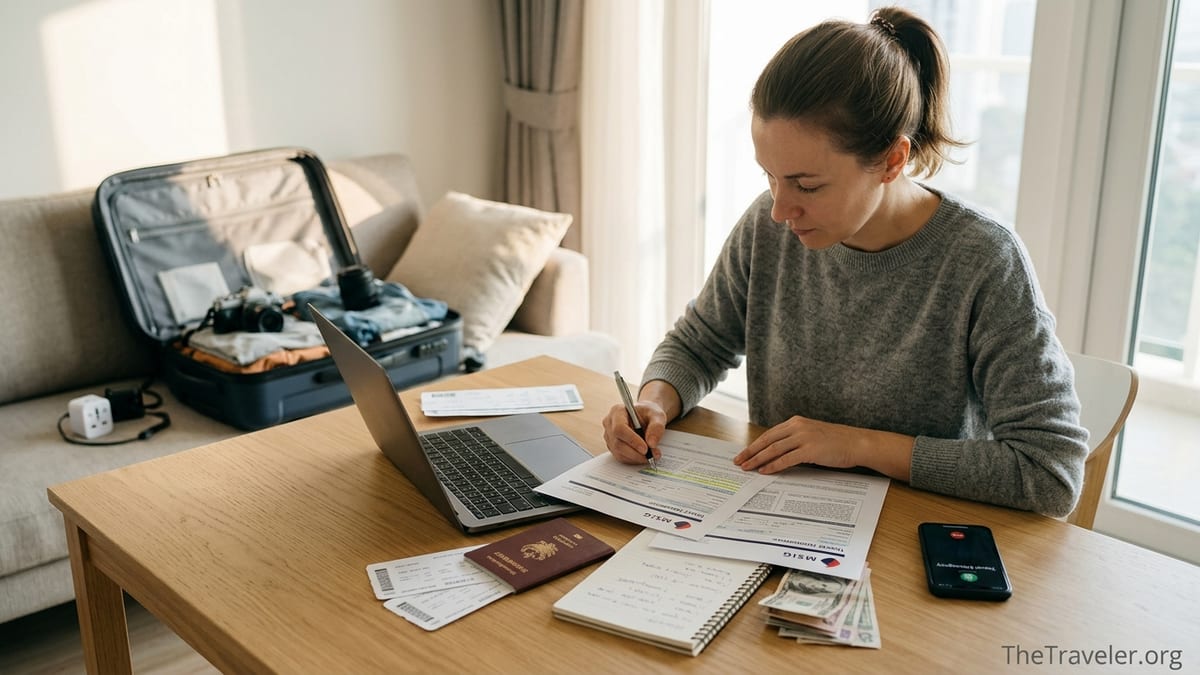
Understand What MSIG Travel Insurance Actually Covers
Before you buy any MSIG travel policy, take ten minutes to understand the main protections it offers. Typical MSIG products, such as TravelEasy in Singapore or TravelEasy in Vietnam, are built around several core benefits: overseas medical expenses, emergency medical evacuation and repatriation, trip cancellation or curtailment, baggage loss or damage, and travel delay. In many markets, emergency medical limits can be substantial; for example, MSIG Singapore’s TravelEasy has advertised coverage of up to about 1 million Singapore dollars each for overseas medical expenses and emergency evacuation on some plan tiers, which is designed to handle serious hospitalizations abroad rather than just minor clinic visits.
These policies usually also include 24/7 worldwide assistance through MSIG’s own assistance partner or branded “MSIG Assist.” If you are skiing in Niseko and fracture your leg, or develop appendicitis while in Rome, the assistance center is the first number you call. They coordinate hospital admission, direct billing where possible, and medically supervised evacuation if needed. Without understanding that this assistance service exists and how to reach it, many travelers end up paying large hospital deposits on their own cards.
It is just as important to know what MSIG does not cover. Across markets, MSIG commonly excludes pre-existing medical conditions, trips taken specifically for medical treatment, and events that the traveler knew about or that were reasonably foreseeable before buying the policy. For instance, if a typhoon has already been named and forecast to hit Okinawa next week, and you buy a policy after those warnings are widely publicized, MSIG may not cover cancellation due to that storm. Similarly, high-risk activities such as professional sports, racing, or unlicensed motorbike riding can be excluded or require special endorsements.
Because specific wording varies between countries, always download and skim your own policy wording before purchase. If you are buying MSIG Travel SafeGuard in Malaysia, you will see references to “MSIG Assist” and definitions of when a trip starts and ends. If you are buying TravelEasy in Singapore, you will see different tables of benefits and conditions. The principle is the same: understand the broad categories of cover and the major exclusions before you commit.
Choose the Right MSIG Plan and Buy It at the Right Time
The next step is to match an MSIG plan to your trip style and timing. MSIG typically offers single-trip policies and annual multi-trip policies in markets like Singapore, Malaysia and Vietnam. If you are taking a one-off family holiday from Singapore to Tokyo for eight days, a single-trip TravelEasy plan is straightforward. If you are a consultant flying regionally from Kuala Lumpur to Jakarta, Bangkok and Manila several times a month, an annual Travel SafeGuard plan from MSIG Malaysia can be more cost-effective and convenient over twelve months.
Timing of purchase is critical. Many MSIG policies only cover pre-departure events such as trip cancellation if you buy the insurance before anything goes wrong and often at least a few days or weeks before departure. For example, a traveler in Singapore booking a December ski trip to Hokkaido in June might buy an MSIG TravelEasy policy on the same day they pay their non-refundable flight deposit. If, in October, they break an ankle and their doctor certifies they cannot ski or travel, a pre-trip cancellation claim may be possible because the policy was already in force before the injury. By contrast, if they only buy the policy two days before departure, after the injury has already occurred, there is usually no cover.
Realistically, many people purchase through online channels. A Malaysian traveler might buy MSIG Travel SafeGuard via a travel comparison site when booking flights on a regional airline, selecting a plan that shows benefits for medical expenses, baggage and delays. A Vietnamese traveler can purchase MSIG TravelEasy through MSIG’s local website using a smartphone, pay by card and receive an electronic policy document by email within minutes. In both cases, the key actions are the same: confirm traveler names match passports, check dates and destinations, and ensure your email address is correct so you receive the policy certificate and emergency contacts.
One practical detail is that some MSIG markets limit eligibility based on residency. For example, MSIG Singapore’s consumer travel products are intended for residents of Singapore. If you live in the United States and are simply transiting through Singapore, you would normally buy travel insurance from a provider licensed in your home market rather than MSIG Singapore. Always check the eligibility section in the brochure or policy wording for your country before you buy.
Set Up Your Documents and Contacts Immediately After Purchase
Once you have purchased your MSIG travel insurance, do not just leave the policy PDF in your email. The days before departure are when you should set up your documents and contacts so you can use the policy under stress. Start by downloading the certificate of insurance and the full policy wording to your phone and to a cloud drive. Save a local copy in a folder titled “Travel – MSIG” so you can open it even without data or Wi-Fi.
On the certificate, highlight or screenshot three key items: your policy number, the 24-hour emergency assistance hotline, and any WhatsApp, live chat or email address given for urgent support. For instance, a traveler from Singapore insured under TravelEasy would note the MSIG Assist emergency hotline number printed on their certificate. A traveler from Malaysia on Travel SafeGuard would see an assistance hotline based in Kuala Lumpur with international dialing instructions. These numbers differ by market and sometimes by product, so the certificate is your authoritative source.
Next, create digital and physical backups. Add the MSIG emergency number to your phone contacts under an obvious name such as “MSIG Travel Emergency” and include your policy number in the notes field. If you are traveling with family, share that contact card via messaging apps so everyone has it. Print a one-page summary that includes your MSIG policy number, assistance hotline, and your home emergency contacts. For example, a family from Ho Chi Minh City flying to Paris with MSIG TravelEasy Vietnam might keep a printed sheet in each adult’s passport cover; if someone is hospitalized, the document can be handed to local doctors.
Finally, check whether your MSIG market offers online account access or mobile claim submission. In some countries, MSIG supports claim submission through an online portal where you log in with your policy details, upload receipts and hospital reports, and track claim status. Even if you do not expect to claim, register and familiarize yourself with the interface before you depart. This saves time if you need to upload documents on the last day of a trip when you are tired or in transit.
Check Your Trip Details, Health and Activities Against the Policy
Several days before departure, run through your itinerary, health status and planned activities against your MSIG policy conditions. This is the moment to spot any misalignment while changes are still possible. Start with dates and destination. Ensure the policy start date matches your actual departure from your home country. For example, if you live in Kuala Lumpur and your flight to Seoul departs at 1:30 a.m. on 10 August, your MSIG Travel SafeGuard policy should generally start on 10 August, not 9 August, because the trip is defined to begin when you leave home for a direct journey to the airport. However, if you are catching a late-night intercity bus to the airport the evening before, check the policy definition of “trip commencement” and adjust if needed so that the entire door-to-door journey is covered.
Next, consider your medical situation. If you have any chronic conditions such as diabetes, heart disease or asthma, read the pre-existing conditions clause carefully. MSIG policies in markets such as Malaysia explicitly exclude illnesses or injuries that showed symptoms, required diagnosis or treatment in the months before the journey. In practice, this means that if you have been undergoing recent treatment for angina and suffer a heart-related event while in London, your claim may be excluded as a pre-existing condition. If you have been stable, on long-term medication with no changes or hospitalizations for a significant period, the risk of an exclusion may be lower, but the exact interpretation depends on the policy wording and your medical records. When in doubt, email MSIG or speak to your agent before you travel.
Then review your planned activities. Many MSIG plans cover leisure sports like snorkeling, recreational skiing and guided hiking, but exclude professional-level competitions, high-altitude mountaineering, or riding a motorcycle without a valid license and helmet. A common real-world scenario is a traveler in Bali renting a scooter in shorts and flip-flops without an international license. If they crash, MSIG can decline medical claims due to illegal or unsafe riding or lack of a proper license. If you plan to drive, check licensing requirements and wear appropriate safety gear. If you intend to try more extreme activities, ask MSIG whether an endorsement or higher-tier plan is needed.
Finally, think about valuable items and trip components. If you are carrying a 3,000 dollar camera body and multiple lenses, check the single-item and total baggage limits in your MSIG schedule. In many Asian markets, limits per item are modest compared with the value of high-end electronics. Consider separating checked and hand luggage and backing up photos regularly so that, even if compensation is capped, you do not lose irreplaceable data.
Know Exactly How to Use MSIG If Something Happens Before Departure
A key part of “using” MSIG travel insurance before your trip is knowing what to do if an insured event occurs in the days or weeks before you fly. The most common pre-departure claims involve trip cancellation or postponement due to illness, injury, death in the family, serious damage to your home, or unexpected events such as a natural disaster at your destination. MSIG policy wordings for products like TravelEasy Singapore specify that cancellation is covered when your trip is “unavoidably cancelled or postponed” because of insured events within a specified period before departure, such as 30 days. This window can vary, so check your own contract.
Imagine you are a Singaporean traveler with a TravelEasy policy for a ten-day holiday in Barcelona. Five days before departure, you develop high fever and are diagnosed with dengue. Your doctor certifies you unfit to travel. In this situation, you would first inform your airline and accommodation providers to cancel or change bookings according to their rules. At the same time, you should notify MSIG as soon as possible through the claims or customer service channels listed on the MSIG Singapore support page, indicating that you intend to make a trip cancellation claim. You would then gather documents such as medical reports, proof of non-refundable expenses, itineraries and receipts and follow MSIG’s online claim submission process once you are well enough.
A different example would be a Malaysian couple traveling to Tokyo on a non-refundable tour package, insured under MSIG Travel SafeGuard. Two weeks before departure, a fire severely damages their home, making it temporarily uninhabitable. If their policy lists serious damage to the insured’s residence as a valid reason for trip cancellation, they could contact the MSIG call center, explain the situation, and submit fire brigade reports and documents from their domestic insurer to support their travel insurance claim. The important pre-trip action is timing: do not wait until after the original departure date has passed to inform MSIG, because late notification can complicate the assessment.
There are also situations where you may want to adjust your trip rather than cancel it entirely. For example, a Vietnamese traveler insured with MSIG TravelEasy might have booked a two-week journey to Europe with several Schengen countries. If political unrest or transport strikes break out in one country on the route, they might reroute to more stable destinations. Depending on the policy’s flexibility, they may need to contact MSIG or their agent to endorse the policy to a new country list and possibly pay an additional premium if the risk profile changes. The pre-trip period is the best time to make such adjustments, before you actually cross the border.
Prepare to Use MSIG Assistance and Claims While You Are Away
Although this guide focuses on steps before your trip, part of using MSIG travel insurance effectively is rehearsing what you will do once you depart. Before you fly, mentally run through a few common scenarios. In a medical emergency, for example, your first step is to get to a safe place and seek local help. As soon as practical, you or a companion should contact the MSIG assistance hotline printed on your certificate, quoting your policy number, your location and a callback number. Assistance teams for products like TravelEasy Singapore or Travel SafeGuard Malaysia are staffed 24 hours a day and can refer you to suitable hospitals, provide guarantees of payment to avoid large deposits where possible, and coordinate evacuations.
For non-emergency claims such as baggage delay, minor illness treated at a clinic, or travel delays, the preparation you do before the trip makes the process smoother. If your checked bag is delayed on arrival in London for 24 hours and you have MSIG coverage that pays a daily benefit for essential purchases after a specified waiting time, you should immediately obtain a written Property Irregularity Report from the airline and keep all receipts for clothing and toiletries. Once you return home, you log into MSIG’s claim portal or submit forms by email with scans of the airline report, boarding passes, baggage tags and receipts. Real-world experiences shared by travelers in online forums suggest that clear documentation and early notification significantly improve the speed and outcome of claims.
Another scenario is minor outpatient treatment. Suppose a traveler from Ho Chi Minh City on an MSIG TravelEasy policy develops a severe ear infection in Sydney. They visit a private clinic, pay around 200 Australian dollars for consultation and medication, and keep all itemized bills. Before or after the visit, they can contact MSIG’s emergency assistance line for guidance, but for non-urgent issues most policies allow treatment first and reimbursement later. Once back in Vietnam, they fill out the travel insurance claim form, attach copies of their passport entry and exit stamps, boarding passes, medical reports and receipts, and submit them through MSIG’s local claims channel within the time limit stated in the guidelines.
To make this easier, assemble a “claims kit” before departure: a folder or envelope with printed claim forms downloaded from your local MSIG website, copies of your itinerary and e-tickets, and a simple checklist of what to collect in case of medical treatment, baggage issues or delays. Keep a soft copy of the same documents in your email and cloud storage. That way, even if your phone is lost or stolen, you can log in from a hotel computer and still access everything you need.
The Takeaway
MSIG travel insurance is most effective when you treat it as a tool you actively set up before your trip, not as a passive product you hope you will never need. From understanding what your specific MSIG policy covers, to buying at the right moment, organizing documents and emergency contacts, aligning your itinerary and health status with policy conditions, and knowing how to react if something forces you to cancel, every step you take before departure increases the chances of a smooth experience if something goes wrong.
Real-world examples from travelers across Asia show that claims generally work best when policies are purchased early, coverage terms are understood in advance, and documentation is thorough. Whether you are booking a once-in-a-lifetime family holiday or commuting regularly around the region, taking an hour before each trip to review your MSIG cover, save the right numbers and plan for basic emergency scenarios is a small investment that can prevent confusion and financial stress later. Use this guide as a checklist, adapt it to your country’s MSIG product, and you will be well prepared to use your travel insurance confidently from day one.
FAQ
Q1. When should I buy my MSIG travel insurance in relation to my trip?
Ideally you should buy your MSIG travel policy as soon as you make your first non-refundable booking, such as flights or a tour deposit. Many MSIG plans only cover pre-trip cancellation if the policy is in force before any illness, accident or disruptive event occurs, so waiting until the day before departure can leave you exposed for larger costs like flights and accommodation.
Q2. How do I find my MSIG emergency assistance number before I travel?
The most reliable place is your certificate of insurance, which lists the 24-hour emergency assistance hotline for your specific country and product. After purchase, open the certificate, locate the assistance phone number and any WhatsApp or live chat details, and save them to your phone contacts under a clear label like “MSIG Travel Emergency,” including your policy number in the notes.
Q3. Does MSIG travel insurance cover pre-existing medical conditions?
In most markets, standard MSIG travel policies exclude pre-existing medical conditions, meaning illnesses or injuries that showed symptoms, required diagnosis or treatment in a defined period before the trip. If you have a chronic condition such as heart disease or diabetes, you should read the pre-existing condition clause carefully and, if needed, contact MSIG or your insurance adviser for clarification before you buy.
Q4. Can I adjust my MSIG policy if I change my destination or travel dates?
Often you can request an endorsement or adjustment before the trip starts, especially if your new dates or destinations are similar in risk profile. For example, moving a holiday from Italy to Spain on the same dates may be straightforward, while changing from a short regional trip to a much longer multi-country itinerary could require a new premium. Always inform MSIG or your agent as soon as your plans change.
Q5. What should I do if I have to cancel my trip for a medical reason?
First, seek medical care and obtain a written report or certificate stating your diagnosis and that you are unfit to travel. Next, cancel or reschedule your bookings with airlines, hotels or tour operators. Then notify MSIG promptly through the claims or customer service channels given in your documents, and prepare to submit copies of medical reports, proof of non-refundable expenses, itineraries and payment receipts according to MSIG’s claim guidelines.
Q6. How do I prepare to make a medical claim with MSIG while abroad?
Before departure, print or download MSIG’s travel claim form and keep it with your travel documents. If you fall ill abroad, visit a licensed clinic or hospital, keep all itemized bills and medical reports, and request a doctor’s letter in English if possible. For serious cases, call the MSIG assistance hotline as soon as practicable so they can guide you and, where available, arrange direct billing to the facility.
Q7. Are adventure activities like skiing or diving covered by MSIG?
MSIG policies typically cover common leisure activities such as recreational skiing on groomed pistes or guided snorkeling, but they may exclude professional sports, competitive events, or high-risk activities like mountaineering at high altitude. Before your trip, check the leisure activities section of your policy; if you plan something more extreme, ask MSIG whether it is included or if a higher-tier plan is needed.
Q8. What documents should I keep if my baggage is delayed or lost?
If your checked baggage is delayed or lost, immediately obtain a written report from the airline, often called a Property Irregularity Report, and keep your boarding passes and baggage tags. Save receipts for any essential items you buy because of the delay, such as clothing and toiletries. These, together with your itinerary and policy details, will be needed when you submit a baggage delay or loss claim to MSIG.
Q9. How long do I have to submit a claim to MSIG after my trip?
The exact timeframe is specified in your local MSIG policy wording, but it is usually within a set number of days from the date of loss or from your return home. To avoid missing deadlines, start organizing your documents and submit your claim as soon as practical after the incident, even if you are still sorting out some final receipts or reports.
Q10. Can I rely on my credit card’s travel insurance instead of MSIG?
Some premium credit cards offer built-in travel protection, but the coverage, limits and conditions can differ significantly from a dedicated MSIG travel policy. Before deciding, compare benefits such as overseas medical limits, emergency evacuation, pre-trip cancellation and baggage cover. Many frequent travelers choose a standalone MSIG policy for more comprehensive and clearly documented protection, sometimes in addition to card benefits.