


For Australian travelers who are serious about premium cabins and airport lounges, the Westpac Altitude Black suite has become a go to tool. Used strategically, these cards can unlock business class flights, hotel stays, and travel perks that far exceed the annual fee. The key is understanding how the bonus offers, earn rates, and airline partners work in the real world, then matching them to your own travel plans.
Get the latest updates straight to your inbox!
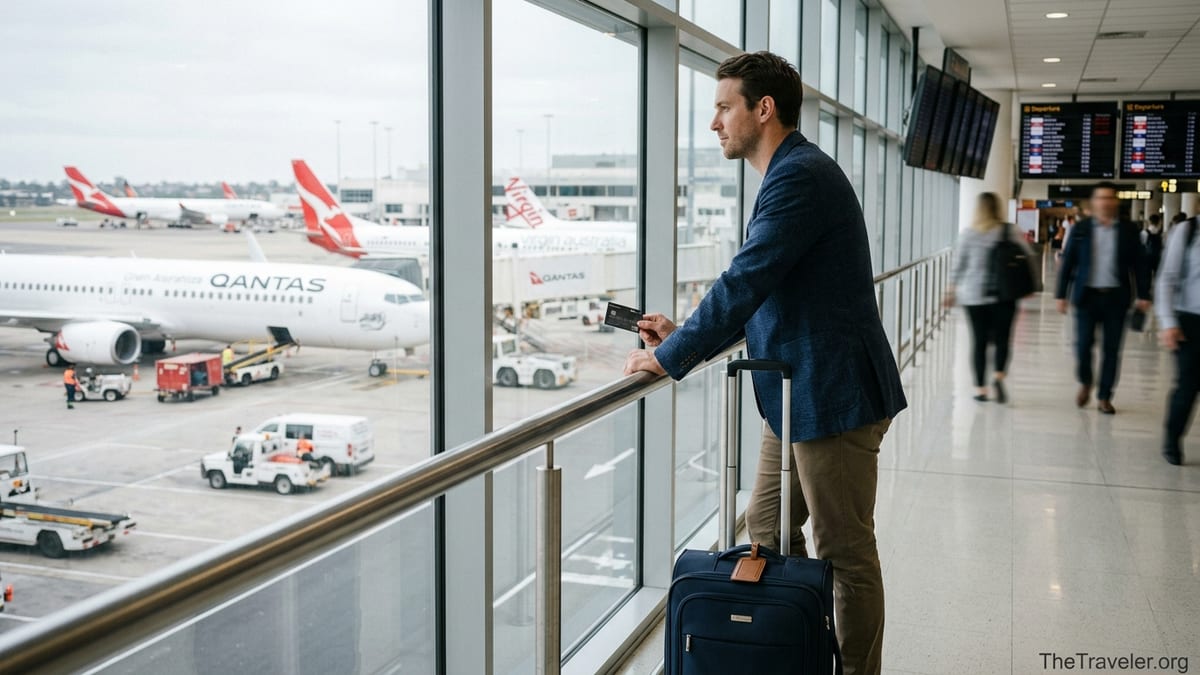
Understanding the Westpac Altitude Black ecosystem
Westpac Altitude Black is not just one card but a family of premium products built around the Altitude rewards platform. New applicants can typically choose between three main variants: Altitude Rewards Black, Altitude Qantas Black and Altitude Velocity Black. Each version earns in a different currency, from flexible Altitude points to direct Qantas or Velocity points, and each has slightly different offers and perks at any given time.
As of mid 2026, Westpac is advertising up to around 200,000 bonus Altitude Rewards points on the Altitude Rewards Black over two years, with tiered minimum spend requirements, and separate offers of up to roughly 150,000 Velocity Points or around 150,000 Qantas Points on the co branded Velocity and Qantas versions, again spread over year one and year two with specified spend windows. These headline numbers change periodically, but they illustrate why points focused travelers gravitate to the Black tier in particular.
All three cards sit at the premium end of the market, with standard annual fees in the vicinity of $295, though Westpac frequently discounts the first year fee or offers a reduced fee when you apply as an existing customer. In practice, many travelers treat Altitude Black as a two year play: maximize the bonus in year one and year two, then reassess whether the ongoing earn rate, lounge passes and insurance justify keeping the card.
Because Altitude Black runs on the Mastercard network, it tends to be widely accepted across airlines, hotels, tour companies and rideshare providers. That matters for travelers trying to hit minimum spend targets without resorting to manufactured patterns that may fall outside Westpac’s definition of eligible purchases.
Sign up bonuses as a shortcut to premium flights
For many cardholders, the primary reason to apply for a Westpac Altitude Black is the sign up bonus. Done well, a single promotion can cover a one way business class seat to Asia or even a return economy trip to Europe. The trick is first confirming you are eligible under Westpac’s 24 month rule, which excludes applicants who have held an Altitude Black or certain related Westpac rewards cards in the previous two years.
Consider a traveler in Sydney who picks the Altitude Qantas Black when a 90,000 Qantas Points year one bonus is available, plus an additional 60,000 points in year two after meeting a separate spend requirement. At 150,000 Qantas Points total, they are very close to a one way Qantas business class ticket from Sydney to Singapore, which often prices around 136,800 Qantas Points plus taxes, or a return economy ticket to London via a partner such as Emirates or Qatar Airways, which can sit in the 110,000 to 120,000 point range depending on season and routing.
On the Velocity side, a traveler based in Brisbane might take up an Altitude Velocity Black offer of up to 150,000 Velocity Points split across the first two years. That haul can be enough for a return business class ticket from Brisbane to Tokyo on Virgin Australia and a partner like All Nippon Airways in mixed cabins, or a one way business class award to Los Angeles via a partner such as United Airlines, which typically costs over 90,000 Velocity Points in one direction.
With the flexible Altitude Rewards Black, the bonus of up to 200,000 Altitude points can become a powerful currency once transferred to airline partners. Transferring to Singapore Airlines KrisFlyer at a typical rate of 3 Altitude points to 1 KrisFlyer mile, 180,000 Altitude points would yield 60,000 KrisFlyer miles, enough for a one way business class flight from Perth to Singapore or a return economy trip from Melbourne to many Southeast Asian destinations. The remaining 20,000 Altitude points could cover a night or two in a mid range hotel via Altitude’s travel portal.
Earning points efficiently on everyday and travel spend
Beyond the sign up windfall, long term travelers focus on how Altitude Black earns on the purchases they naturally make. Westpac’s materials promote higher earn rates on the Black tier compared with its Classic and Platinum cards, with everyday purchases such as dining, fuel and supermarket shops generally earning more points per dollar than government payments or cash like transactions. Exact numbers change as Westpac fine tunes its tables, but cardholders consistently see stronger returns when they route travel and lifestyle spending through Altitude Black.
In practical terms, that means charging international flights, domestic hotel stays and car hire to the card whenever possible. A family of four in Melbourne booking a return trip to Bali with a low cost carrier might spend $2,500 on flights and another $1,500 on a villa and local tours paid in Australian dollars before departure. If the eligible portion of this $4,000 spend earns, say, 1.25 Altitude points per dollar on the Rewards Black, that single holiday generates around 5,000 Altitude points on top of whatever bonus is on offer.
Frequent short haul business travelers can see even bigger benefits. A consultant based in Perth who flies to Sydney twice a month, books hotels directly, and uses rideshare services to and from the airport might easily charge $3,000 to $4,000 per month to their Altitude Black. Over a year, that could translate to more than 40,000 Altitude points even before factoring in sign up bonuses and special promotions such as seasonal spend offers or Westpac Lounge on ShopBack cashback campaigns that sometimes stack with points earning.
Another tactic seasoned travelers use is aligning large one off expenses with the qualifying period for a bonus. For example, if an Altitude Qantas Black offer requires $6,000 of eligible spend within 120 days, a traveler might time the purchase of a new laptop, a suite of annual subscriptions, and a family trip deposit so that all hit the statement within that four month window, rather than spreading them across the year.
Choosing between Altitude Rewards, Qantas and Velocity
The decision to choose flexible Altitude Rewards, Qantas points or Velocity points at the application stage shapes how useful the card will be. Travelers who are strongly loyal to Qantas and already hold elite status or a large Qantas balance often prefer the Altitude Qantas Black so points flow directly into their frequent flyer account each month without an extra step or program fee beyond the card’s own Qantas rewards fee.
On the other hand, frequent flyers who value flexibility, particularly those who often travel to Asia, sometimes gravitate toward the generic Altitude Rewards Black. Altitude points can be transferred to several airline partners, such as Velocity Frequent Flyer, Singapore Airlines KrisFlyer, Cathay Pacific’s program and Air New Zealand’s Airpoints, usually at fixed ratios. A traveler planning a Japan ski trip one year and a Europe business class redemption the next can shift their points to different programs as award space and devaluations evolve, rather than being locked into a single airline.
Velocity focused travelers, especially those who primarily fly Virgin Australia domestically or between Australia and the Pacific, find Altitude Velocity Black an efficient way to top up their balances. Velocity points are not only useful for Virgin Australia flights but also for partners like United Airlines, Singapore Airlines and ANA. For instance, someone flying Sydney to Queenstown for ski season on Virgin can pay cash for the outbound leg and redeem Velocity points for the return, using points they earned from their Altitude Velocity Black spend over the previous six months.
Some travelers even switch flavours over time. It is not uncommon to see an Altitude Rewards Black holder transfer a large block of Altitude points to Velocity to take advantage of a temporary 15 to 20 percent transfer bonus, then later apply for a separate Altitude Qantas Black card once they are outside the 24 month exclusion window and a strong Qantas sign up offer appears. The key is planning around Westpac’s eligibility rules and understanding that switching products too frequently can forfeit future bonuses.
Redeeming Altitude points for maximum flight value
Where Westpac Altitude Black truly shines for travelers is in turning points into flights, especially in premium cabins where the cents per point value tends to be highest. Independent analyses of Australian rewards programs often value Altitude Rewards points at roughly up to 1 cent per point when transferred to airline partners and redeemed for business class or first class flights, compared with significantly lower value when used for gift cards or merchandise.
A practical illustration is a Melbourne traveler transferring 180,000 Altitude points to Singapore Airlines KrisFlyer for 60,000 miles. They might redeem those miles for a one way saver business class ticket from Melbourne to Singapore, which could sell for $2,500 or more in cash during peak periods. In that scenario, those 180,000 Altitude points effectively saved about $2,500 on a fare they would have considered paying, delivering a value of roughly 1.4 cents per Altitude point, well above the value of redeeming those same points for department store vouchers.
Another example is using Altitude points transferred to Velocity for upgrades on Virgin Australia. A traveler who buys a discounted economy fare from Brisbane to Perth for around $450 might later use Velocity points to upgrade to business class if space opens. The underlying cash business fare could be well over $1,500 on certain dates, so using points for an upgrade often delivers a higher cents per point return than booking an economy reward seat outright.
Altitude’s own travel portal, Altitude Travel, can also be useful for redemptions when award seats on partner airlines are scarce. A couple based in Adelaide might use their Altitude points as credit toward a boutique hotel in Paris during a European trip, effectively knocking several hundred dollars off a booking that is not easily covered by airline programs. The value per point may be slightly lower than transferring to frequent flyer miles, but for travelers with fixed dates or complex itineraries, the extra flexibility can justify the trade off.
Travel perks: lounge access, insurance and concierge in practice
Beyond points and miles, Westpac Altitude Black cards come with a set of lifestyle perks that frequent travelers use regularly. One headline benefit is complimentary airport lounge access, typically delivered via priority style lounge passes or specific partner lounges a set number of times per year. For example, a couple flying from Sydney to Hong Kong in economy could use their included lounge passes to access a contract lounge in the international terminal before departure, enjoying a hot meal, drinks and a quiet workspace that would otherwise cost around $60 to $80 per person at the door.
The complimentary travel insurance attached to Altitude Black can also be significant, provided cardholders understand the activation conditions. Policy booklets usually require that a minimum portion of prepaid travel costs, often at least $500 of flights or accommodation per person, be charged to the card before departure for the overseas cover to kick in. A family booking return flights to Fiji and an upfront resort payment on their Altitude Black would meet this threshold, unlocking cover for overseas medical expenses, trip cancellation and lost luggage up to stated limits, potentially saving them several hundred dollars compared with buying a standalone travel insurance policy.
Frequent car renters also benefit from the included rental vehicle excess insurance that typically forms part of the Altitude Black travel insurance package. Instead of paying $25 to $35 per day to reduce the excess directly with a car hire company at airports in places like Brisbane or Hobart, cardholders who pay the rental with their Altitude Black and meet the policy conditions can rely on the card’s insurance if damage occurs, effectively offsetting a chunk of the annual fee over just a few trips.
Finally, a concierge service attached to the card can be quietly powerful, even if it sounds old fashioned. Travelers use it to secure restaurant reservations in busy cities such as New York or Tokyo, arrange last minute flower deliveries for anniversaries while overseas, or source sold out event tickets. Although there is no points kicker for using concierge, the time saving and access to curated suggestions can add meaningful value for frequent travelers juggling complex itineraries.
Real world strategies from frequent travelers
Talking to regular users of Westpac Altitude Black reveals a set of recurring strategies that help them extract more value. A common theme is treating the bonus points requirements as a structured project rather than casually hoping to meet them. Travelers set calendar reminders for milestones such as the end of the 120 day spend period for a Qantas or Velocity sign up bonus, or the one year anniversary date that triggers the second year bonus window. This helps avoid missing out on tens of thousands of points due to a simple timing oversight.
Another tactic is aligning household or business cash flow around the card strategy. A small business owner in Brisbane might route all office supplies, domestic flights and client entertainment through an Altitude Rewards Black, then immediately pay off the balance from their transaction account to avoid interest, effectively turning unavoidable expenses into a stream of points. Families, meanwhile, commonly put school fees, private health insurance premiums and utility bills on the card where these are treated as eligible purchases, consolidating spend they were already making.
Seasoned cardholders are also careful to track which transactions do not earn points or count toward bonuses, such as BPAY payments, government charges or cash advances, based on Westpac’s evolving definition of eligible purchases. Before making large payments, they often test small transactions or verify how similar charges have coded in their recent statements. That way, when it comes time to pay a major invoice, they know whether it will meaningfully contribute to their minimum spend targets.
Finally, many experienced Altitude Black users plan their redemptions before they start earning in earnest. Instead of accumulating points aimlessly, they decide on a target such as a pair of business class flights to Tokyo for cherry blossom season or a business class leg to Europe for a milestone birthday. They then work backwards, combining sign up bonuses, ongoing spend and possibly a partner transfer bonus to hit the required balance within a specific timeframe, which helps ensure their points are redeemed at high value before any future devaluations.
The Takeaway
Westpac Altitude Black can be a powerful tool for Australian travelers looking to upgrade their flight and hotel experiences, but it rewards planning and discipline. The largest wins tend to come from sign up bonuses that are aligned with clear travel goals, paired with deliberate everyday spending on categories that earn at higher rates. The flexible Altitude Rewards variant excels for travelers who want to hedge between airline partners, while the Qantas and Velocity versions suit those who are firmly committed to one frequent flyer ecosystem.
In real world use, cardholders who consistently charge their major trips, household expenses and selected business costs to their Altitude Black, pay the balance in full each month, and carefully monitor eligibility rules often see value that goes well beyond the annual fee. Combined with complimentary lounge passes, travel insurance and concierge assistance, the card can make the journey smoother as well as more rewarding.
The right Altitude Black strategy is ultimately personal. A family saving for an economy trip to Europe, a digital nomad hopping between Asian capitals, and a corporate traveler chasing business class upgrades will each use the card differently. What unites successful users is a clear understanding of how the program works today, regular checks of Westpac’s latest offers and terms, and a willingness to adapt their approach as the travel and rewards landscape evolves.
FAQ
Q1. What is the main difference between Altitude Rewards Black, Altitude Qantas Black and Altitude Velocity Black?
The core card platform is similar, but the points currency differs. Altitude Rewards Black earns flexible Altitude points that you can later transfer to several airline partners or use for travel bookings, while the Qantas and Velocity versions earn Qantas Points or Velocity Points directly into those frequent flyer programs.
Q2. Can I switch from Altitude Rewards to Qantas or Velocity after I have opened the card?
Westpac allows product changes in some circumstances, but switching may affect your eligibility for future sign up bonuses and can be subject to new terms and fees. Many travelers wait until they are outside Westpac’s 24 month exclusion period and then apply for a new card rather than switching midstream.
Q3. Do all purchases on my Altitude Black earn points and count toward the bonus spend requirement?
No. Westpac excludes several categories such as cash advances, balance transfers, many government payments and certain bill payments processed as cash equivalents. Before relying on a large transaction to hit a bonus threshold, check recent terms and your statements to see how similar charges have been treated.
Q4. How many points do I need for a business class flight to Asia using Altitude Black?
The answer depends on which airline program you use and the route, but as a ballpark, around 60,000 KrisFlyer miles or roughly 90,000 to 120,000 Qantas or Velocity Points can often secure a one way business class seat between major Australian cities and Asian gateways like Singapore, Tokyo or Hong Kong, subject to availability and seasonal pricing.
Q5. Is it better value to transfer Altitude points to airlines or redeem them for gift cards and merchandise?
For most travelers chasing flights, transferring Altitude points to airline partners for premium cabin redemptions tends to deliver higher cents per point value than using points for gift cards or physical products. However, if your travel dates are inflexible or you rarely fly, redeeming via Altitude’s travel portal or for non travel items can still make sense.
Q6. How do I activate the complimentary travel insurance on my Westpac Altitude Black?
Activation usually requires that you pay a minimum amount of your prepaid travel costs, often at least several hundred dollars per person, on the card before your trip begins. You also need to hold a return ticket and meet residency and age conditions. Always read the most recent policy booklet and, if needed, call the insurer to confirm cover for your specific itinerary.
Q7. Are the airport lounge passes enough to justify the card if I do not care about points?
For most people, the lounge passes alone will not offset the annual fee, but they can still add noticeable comfort on a couple of long haul trips each year. The card makes most sense when you value both the travel perks and the points earning potential, rather than just one or the other.
Q8. What credit limit and income do I need to be approved for Altitude Black?
Westpac does not publish a single minimum income line in all marketing, but Altitude Black is positioned as a premium product and is generally targeted at applicants with higher, stable incomes and strong credit histories. Approval is subject to Westpac’s credit criteria, and many applicants report being offered limits appropriate to their declared income and existing debts.
Q9. How often do Westpac’s Altitude Black sign up offers change?
Promotions can shift several times a year, with different mixes of bonus points, discounted first year fees and spend windows. Regular points collectors monitor Westpac’s site and major comparison portals, then time their applications to coincide with particularly strong offers that match their travel plans.
Q10. Is it worth keeping the card after I have earned the bonus points?
That depends on how much you spend each year, how heavily you use the lounge access and insurance, and whether a different card could earn more points on your mix of purchases. Many travelers reassess just before the second annual fee posts, weighing the extra year two bonus, if offered, against their future travel plans and the card’s ongoing value.