


More news on this day
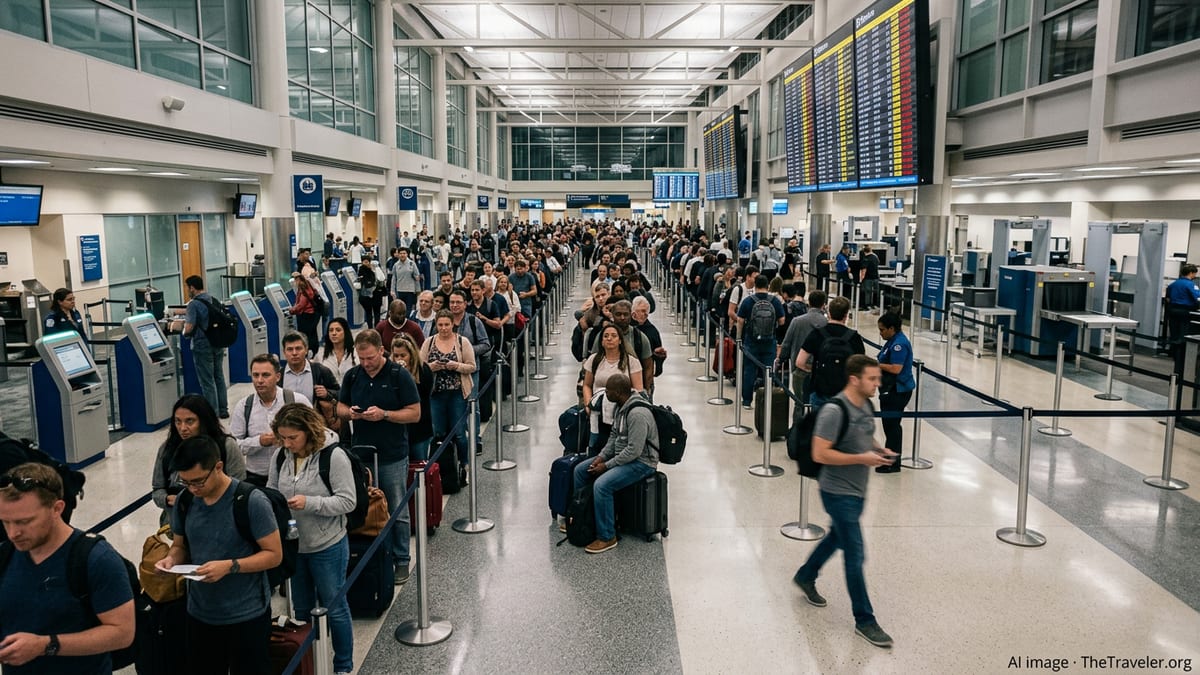
Operations at Chicago O’Hare International Airport were significantly disrupted as 333 flights were delayed and four were cancelled, affecting services on United Airlines, American Airlines, SkyWest, Air Canada and several other carriers across domestic and international routes.
Get the latest news straight to your inbox!
Ripple Effects From One Of The World’s Busiest Hubs
Publicly available airport data and tracking services show that Chicago O’Hare, a major connecting hub for both United Airlines and American Airlines, experienced widespread schedule disruption as delays accumulated through the operating day. Regional operator SkyWest, which flies many United Express and American Eagle services, was among the carriers most exposed, alongside codeshare partners such as Air Canada and several European and Asian airlines.
The 333 delayed flights and four cancellations translated into missed connections, last minute rebookings, and extended time on the ground for thousands of passengers. With O’Hare serving more than 200 destinations in peak season, even a modest number of cancellations can cause knock-on disruption across multiple continents, as aircraft and crews arrive late into onward hubs.
Data from flight-tracking platforms for services into and out of O’Hare reflected holding patterns, late departures and schedule changes on a range of domestic trunk routes, including links to Denver, Los Angeles and other major U.S. cities. Some aircraft operating for United and American carried multiple airline codes, spreading the impact across alliance and codeshare partners, including Air Canada.
Real-time airport performance dashboards indicated that, despite the disruptions, the airport remained operational with most flights still departing, though with extended average delays. For many travelers, the more serious impact stemmed from misaligned connections and missed last flights of the day rather than from the relatively small number of outright cancellations.
Transatlantic And European Services Hit By Late Departures
O’Hare’s role as a transatlantic gateway meant that the day’s disruptions quickly extended to routes linking the United States with France, Italy, Spain and Switzerland. Long-haul flights often rely on tight inbound connections from smaller U.S. cities, and delays on regional feeders operated by SkyWest and other partners created pressure on departure times for widebody services.
Published schedules and live departure boards showed pushback times sliding later on several eastbound flights bound for major European hubs. Even where long-haul departures were held to wait for connecting passengers and baggage, the delays risked breaching overnight curfews or congesting morning arrival banks at airports in France, Italy and Spain.
Services to Switzerland and neighboring markets also faced schedule knock-ons, with some flights departing behind schedule after awaiting arriving passengers from delayed domestic routes. European-bound travelers faced a combination of extended gate holds in Chicago and late-night arrivals in Europe, complicating onward rail and regional flight connections.
For airlines, each delayed long-haul departure from O’Hare has a multi-day effect on aircraft rotations, particularly on routes where aircraft complete a round trip over two or more days. When a flight arrives late into a European or North American hub, it can compress turnaround times, heighten the risk of crew duty-time limits, and make subsequent flights more vulnerable to further delay.
Asia Connections And China Services Also Affected
The disruption at O’Hare was not limited to transatlantic travel. Flight-tracking and schedule data show that services connecting Chicago with Asia, including flights serving China via alliance partners and codeshares, also experienced delays. These flights typically operate as part of complex global networks where an aircraft arriving late from North America may be scheduled to continue to another Asian destination within hours.
Late departures from Chicago can cascade into missed banks of connecting flights at Asian hubs, forcing rebookings and overnight stays for passengers heading to secondary cities in China and elsewhere in the region. While only a small number of flights were cancelled, delayed departures put increased strain on already busy summer schedules, particularly for carriers operating near their maximum available aircraft and crew capacity.
According to publicly available operational summaries for O’Hare, disruptions linked to weather and air traffic constraints in the Midwest have recently coincided with peak-season demand. That combination has left less flexibility in the system to absorb unexpected delays, especially on long-haul routes with limited daily frequencies.
Travelers booked on Chicago–Asia itineraries were advised by airlines and information services to monitor their flight status closely, as some schedules continued to shift throughout the day in response to late inbound aircraft, evolving weather patterns and air traffic management initiatives.
Weather, Congestion And Tight Summer Schedules
Historical statistics from aviation agencies and independent analysts indicate that weather remains one of the most common triggers of significant delay days at major U.S. hubs. Thunderstorms, low ceilings and reduced visibility can quickly limit arrival and departure rates, forcing air traffic managers to meter traffic into airports such as O’Hare and creating queues of aircraft waiting for takeoff or landing slots.
Chicago’s central location in the U.S. network means it often sits at the intersection of multiple weather systems. When storm activity pushes through the Great Lakes or Midwest region, hub operations can be curtailed while aircraft and crews are repositioned or held on the ground. Once the immediate weather threat passes, it can take many hours for the schedule to recover, especially during summer when most flights are already operating near full capacity.
Beyond weather, industry data show that congestion and late-arriving aircraft are persistent contributors to delays at large hubs. O’Hare’s role as a primary hub for both United and American means that any disruption to one carrier’s operation can spill quickly into shared infrastructure and regional partners such as SkyWest, Envoy and other feeder airlines that connect smaller communities to Chicago.
The combination of tight turn times, full flights and limited spare aircraft during the peak travel period makes it harder for airlines to absorb irregular operations. Even a small number of ground holds or reroutings can produce the kind of large late-day delay totals reported at O’Hare.
What Today’s Disruptions Mean For Travelers
Passenger-rights organizations and consumer advocates note that, in the United States, compensation rules for delays and cancellations vary depending on the cause of the disruption and the policies of each airline. In many cases, carriers provide rebooking options on later flights and, when delays are within the airline’s control, may offer meal vouchers, hotel accommodation or ground transportation for extended overnight disruptions.
On days when hundreds of flights are delayed, however, the practical challenge is often availability. With aircraft operating close to capacity, spare seats on later services can be limited, forcing some travelers to accept next-day departures or reroutings through alternative hubs. This is particularly acute for long-haul flights to Europe and Asia, where frequencies may be just one or two departures a day from Chicago.
Travel advisers generally recommend that passengers traveling through O’Hare build additional connection time into itineraries during peak seasons, especially when connecting from regional flights operated by partner carriers to long-haul services. Monitoring flight status closely via airline apps and airport dashboards, and checking for weather advisories that may trigger travel waivers, can provide early warning of disruption and additional rebooking flexibility.
While the specific tally of 333 delays and four cancellations represents a snapshot of a single day’s disruption, it also underscores the vulnerability of hub-and-spoke networks when a central node such as Chicago O’Hare experiences operational strain. For travelers, the events serve as a reminder that even routine weather or congestion issues at a single airport can have global consequences across the United States, Europe and Asia.