


Royal Caribbean’s slick new credit cards promise “more value every sailing,” priority perks, and hundreds of dollars in cruise rewards. As a travel writer who spends a lot of time at sea, I took the new Royal ONE and Royal ONE Plus cards into the real world, from booking a short Bahamas getaway to paying for drinks on board. Here is what actually happened, who these cards make sense for, and when you are better off sticking with a general travel card.
Get the latest updates straight to your inbox!
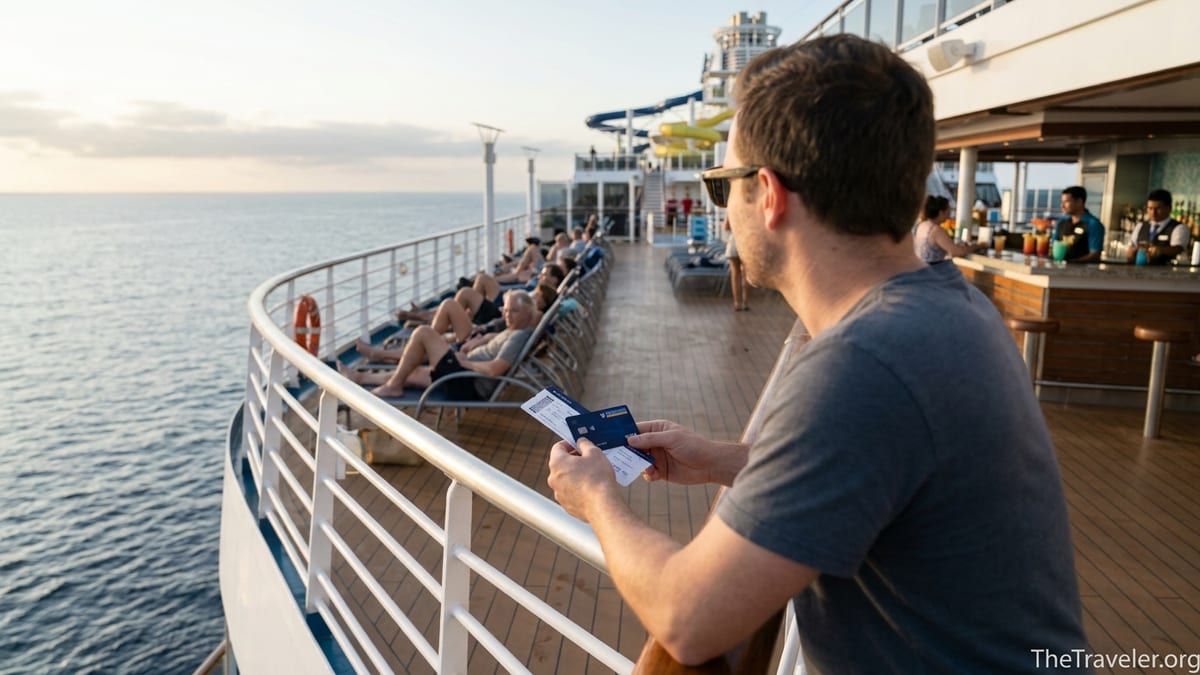
What Is the Royal Caribbean “Premium” Card Today?
In early 2026, Royal Caribbean Group and Bank of America retired the old Royal Caribbean Visa Signature card and rolled out two new products: Royal ONE and Royal ONE Plus. Royal ONE is the no-annual-fee version aimed at casual cruisers. Royal ONE Plus, with a modest annual fee, is pitched as the “premium” option for frequent guests who want faster earnings and extra perks.
Both cards are Visa Signature products issued by Bank of America and are tri-branded, meaning your spending and rewards apply across Royal Caribbean, Celebrity Cruises, and Silversea. That is a meaningful shift. Previously, co-branded cards tended to be tied to just one line, which limited flexibility if your vacation style evolved from mega-ships and waterslides to smaller ships or more exotic itineraries.
On paper, Royal ONE earns elevated rewards on cruise purchases with the three brands, plus a smaller bonus on everyday categories like gas and groceries. Royal ONE Plus layers in a higher earn rate on cruise spending and adds air, hotels, and dining to its bonus categories, along with a larger welcome offer and extra travel benefits.
The marketing sounds good, but cruise credit cards have a reputation for underwhelming value compared with strong general travel cards from major issuers. To see whether Royal Caribbean’s “premium” option is meaningfully different, I used Royal ONE Plus the way a typical cruise enthusiast might over the course of planning and taking a sailing.
How the Welcome Bonuses and Earnings Work in Real Life
When I applied, Bank of America was advertising a welcome bonus on Royal ONE equivalent to roughly a few hundred dollars in onboard credit or cruise discounts after a relatively low minimum spend within the first three months. The Royal ONE Plus card, with its annual fee, offered a larger bonus, again redeemable as either cruise fare discounts or onboard credit. These figures can change, but the structure is consistent: meet a spend threshold, receive a lump sum of points earmarked for Royal Caribbean Group purchases.
To test this, I booked a three-night Bahamas cruise out of Port Canaveral, paid my fare and taxes with Royal ONE Plus, and charged most onboard expenses to the same card. Between the cruise fare, a specialty dining package, Wi-Fi, and a couple of shore excursions, I cleared the required minimum spend on that single trip. The bonus points posted to my Bank of America rewards portal after about one statement cycle, which matched what other cardholders report.
On ongoing spending, the difference between the two cards is straightforward. With Royal ONE, cruise spending earns a solid but not spectacular multiplier, with a smaller bump on gas and groceries. Royal ONE Plus increases the cruise multiplier and widens the bonus net to include airfare, hotel stays before and after your sailing, and restaurant spending. In my case, a one-way domestic flight to Orlando, a pre-cruise hotel near the port, and two dinners out in the city all earned at the elevated rate, which helped the points balance grow meaningfully beyond what I charged on board.
The fine print matters. These cards reward spending with Royal Caribbean, Celebrity, and Silversea directly, not through third-party travel agencies. When I priced a Mediterranean sailing on Celebrity through both the cruise line and a large online agency, the agency showed a slightly lower price, but I would have missed out on the higher earn rate if I had booked that way. For serious points collectors, that tradeoff between a small upfront discount and higher long-term rewards is an important real-world consideration.
Redemption: Using Points for Cruises and Onboard Credit
Earning points is the easy part. The real test of a cruise credit card is redemption. Royal ONE and Royal ONE Plus feed into Royal Caribbean Group’s broader Royal ONE rewards program, which lets you convert points into two main things: discounts on future cruise fares and onboard credit usable for extras like drink packages, excursions, and Wi-Fi.
In practice, redeeming for onboard credit is the most straightforward and predictable option. From the Bank of America portal, I applied points toward credit on my upcoming sailing. Shortly after, that credit appeared in my cruise planner balance and I used it to prepay a shore excursion in Cozumel and upgrade my beverage package. The net effect: my annual fee on Royal ONE Plus was more than offset by that redemption plus the welcome bonus on a single trip.
There are also occasional “sweet spot” redemptions, typically structured as certificates for a companion fare or a specific length of cruise up to a dollar cap. For example, a block of points might cover an oceanview stateroom for a seven-night Caribbean sailing up to a certain value. If you can time your booking to match one of these offers, the value per point can be significantly higher than simply using them as a flat discount. The catch is that these deals are restrictive and come with blackout dates and cabin type limits, so they work best for flexible travelers.
Compared with a general travel card that allows statement credits against any travel purchase, Royal ONE rewards are narrowly focused. You cannot redeem points for airline miles, hotel points, or cash back at competitive rates. That narrow focus is a drawback if your travel plans are spread across different cruise lines or you alternate between land and sea vacations. For someone who sails Royal Caribbean Group brands at least once a year and spends heavily onboard, the limitations are far less painful because you can easily burn through a pile of points on drink packages, spa treatments, and specialty dining alone.
Perks at Sea: Priority Boarding and Traveler Benefits Tested
Beyond the rewards structure, the main selling points of the “premium” Royal ONE Plus card are its travel perks: enhanced priority boarding across Royal Caribbean, Celebrity, and Silversea, expedited luggage handling on eligible sailings, an anniversary reward after meeting an annual spend threshold, and a credit toward TSA PreCheck or Global Entry every few years. Both cards also waive foreign transaction fees, a valuable feature on itineraries that touch multiple countries.
On my Bahamas test cruise, check-in at Port Canaveral was already efficient, but the priority boarding lane tied to the card moved faster. After security, I bypassed a longer general queue and was on the ship about 15 to 20 minutes sooner than a friend traveling in a standard balcony cabin without the card. That is hardly life-changing, but when you have limited vacation time or kids in tow, being among the first to reach the buffet and pool is a genuinely pleasant perk.
Expedited luggage handling is more subtle but still noticeable. On the same sailing, I tagged my suitcase according to Royal Caribbean’s instructions for Royal ONE Plus cardholders. My bag arrived at my cabin door in the earlier wave of deliveries, ahead of many others from my deck. On disembarkation morning, the priority luggage tags helped my suitcase appear on the carousel relatively quickly, getting me to my airport transfer without any stress about tight timing.
The TSA PreCheck or Global Entry credit is a particularly strong feature for a co-branded cruise card at this price point. Using Royal ONE Plus to pay the application fee effectively rebates the cost every four years. On roundtrip Florida sailings, PreCheck saved me 10 to 15 minutes at airport security each way. That is not a premium card game-changer on the level of an airport lounge membership, but it moves Royal ONE Plus closer to mainstream travel cards that combine solid earnings with tangible convenience benefits.
How It Compares to General Travel Cards for Cruisers
To understand whether Royal ONE Plus truly functions as a premium option, I compared my experience to using a strong general travel card on a different cruise earlier in the year. On that sailing, I put everything on a widely available travel rewards card that earns at least double points on all dining and travel purchases, with points redeemable as statement credits against flights, hotels, and cruises at a fixed rate.
On paper, the general travel card earned more flexible points at a similar or better rate on the non-cruise portions of the trip. My Lyft ride from the airport, coffee runs in port, and dinner at an independent restaurant in Cozumel all coded as travel or dining and earned bonus points. With Royal ONE Plus, some of those purchases only earned the base rate, because the bonus categories are more narrowly defined.
The tradeoff showed up at redemption time. With the general card, I wiped out part of my cruise fare with a few clicks, but received no cruise-specific perks: no priority boarding, no extra onboard credit beyond any booking promotion, and no anniversary reward. With the Royal ONE Plus card, I received a targeted anniversary bonus by crossing the issuer’s spend threshold within 12 months, which added another chunk of onboard credit that I used for a specialty brunch and a reserved show experience on a later sailing.
For travelers who cruise once every few years and spend the rest of their vacations in hotels and on road trips, a broad travel card will usually be the smarter long-term companion. If, on the other hand, your idea of a perfect year includes a seven-night Oasis-class sailing in the Caribbean and a longer itinerary on Celebrity or Silversea, the focused nature of Royal ONE Plus becomes a feature rather than a bug. It concentrates benefits exactly where you spend the most time and money.
Who the Royal ONE and Royal ONE Plus Cards Really Suit
After a full cycle of booking, sailing, redeeming, and planning the next trip, some clear patterns emerged about who will get the most from these cards. Royal ONE, with no annual fee, is the safer option if you are just starting to cruise with Royal Caribbean, Celebrity, or Silversea and you are unsure how often you will return. You still earn enhanced rewards on cruise spending and basic categories like gas and groceries, and you avoid the pressure of “earning back” an annual fee.
Royal ONE Plus, the “premium” tier, makes more sense once you cross into true loyalist territory. In my testing, a single seven-night Caribbean cruise in a balcony or suite, combined with regular spending on airfare, pre- or post-cruise hotels, and restaurant meals, generated enough rewards to exceed the annual fee, especially when I timed redemptions for onboard packages that I would have bought anyway.
If you live within driving distance of a major embarkation port like Miami, Fort Lauderdale, or Galveston and tend to take multiple shorter sailings each year, the cumulative impact of priority boarding, anniversary rewards, and bonus earnings can be significant. Families who routinely buy drink packages, Wi-Fi for teens, and ship-sponsored excursions can turn those predictable expenses into a steady stream of onboard credit.
Conversely, if you typically shop for the absolute lowest cruise fare across multiple lines, or you like to alternate between different brands and land-based trips, the Royal Caribbean cards become less compelling. You might still pick up Royal ONE temporarily when a welcome bonus is generous, then switch your everyday spending back to a flexible travel card once you have redeemed your initial rewards for an upcoming sailing.
The Takeaway
Testing Royal Caribbean’s new “premium” credit card in real travel situations confirmed what the fine print hinted at: Royal ONE Plus is not designed to be the best card in your wallet for every purchase. Instead, it is a focused tool, tuned very specifically to life at sea with Royal Caribbean Group’s brands.
For cruise fans who sail Royal Caribbean, Celebrity, or Silversea at least once a year and who routinely buy add-ons like drink packages, Wi-Fi, and excursions, the combination of a meaningful welcome bonus, boosted earning on cruise and travel categories, priority boarding, and a TSA PreCheck or Global Entry credit can more than justify the annual fee. Used strategically, a single well-planned sailing can effectively cover the cost of the card while upgrading the onboard experience.
For everyone else, particularly occasional cruisers and travelers who favor flexibility over brand loyalty, a strong general travel rewards card will usually deliver better long-term value. You will give up some cruise-specific perks, but gain the freedom to apply rewards toward flights, hotels, rental cars, and sailings with any line.
In short, I tested Royal Caribbean’s premium card so you do not have to. If your calendar is dotted with future sailings on Royal Caribbean, Celebrity, or Silversea, and you like the idea of turning those inevitable vacation expenses into more onboard indulgence, Royal ONE Plus deserves a serious look. If your travel life is more varied, consider it a useful secondary card for targeted cruise spending rather than your everyday financial anchor.
FAQ
Q1. Is the Royal ONE Plus card really worth the annual fee?
The value depends on how often you cruise and how much you spend with Royal Caribbean, Celebrity, or Silversea. If you take at least one weeklong sailing a year and buy onboard extras like drink packages and excursions, the welcome bonus, anniversary reward, and priority perks can easily offset the annual fee.
Q2. How quickly do Royal ONE rewards points post after a cruise?
In my testing and based on other cardholders’ experiences, points from cruise and everyday purchases generally appear in the Bank of America rewards portal after the statement closes, often within a few days of the billing cycle ending.
Q3. Can I use Royal ONE or Royal ONE Plus points to pay for flights or hotels?
Points are primarily intended for cruise-related redemptions, such as discounts on Royal Caribbean Group sailings or onboard credit. They are not as flexible as points from general travel cards that allow statement credits for almost any travel purchase.
Q4. Do I need to book directly with Royal Caribbean to earn bonus points?
Yes, to receive the elevated earn rate on cruise purchases, you typically need to book directly with Royal Caribbean, Celebrity Cruises, or Silversea. Bookings made through third-party travel agencies may earn only the base rate.
Q5. What is the difference between Royal ONE and Royal ONE Plus in everyday use?
Royal ONE has no annual fee and offers solid earnings on cruise purchases plus some everyday categories. Royal ONE Plus charges an annual fee but offers higher earn rates on cruise, travel, and dining, along with perks like priority boarding, an anniversary reward, and a TSA PreCheck or Global Entry credit.
Q6. Can I combine Royal ONE rewards with other Royal Caribbean promotions?
In most cases, yes. You can stack rewards like onboard credit from the card with standard sale fares or resident rates, although certain promotional certificates and companion fare deals may have specific restrictions and blackout dates.
Q7. Are there foreign transaction fees when using the cards in port?
No. Both Royal ONE and Royal ONE Plus waive foreign transaction fees, which makes them suitable for use in international ports of call and foreign currencies during your cruise.
Q8. How do I actually redeem points for onboard credit?
You log in to the Bank of America rewards portal, choose cruise or onboard credit as your redemption option, and select how many points to apply. The credit then appears in your cruise account, usually in time to use it for pre-cruise purchases or onboard spending.
Q9. Will holding the card improve my Crown & Anchor, Captain’s Club, or Venetian Society status?
No. The credit cards and loyalty programs are linked in the sense that they share a brand ecosystem, but the card does not directly increase your tier level. Your cruise nights and sailings still determine status.
Q10. Should I close the card after using the welcome bonus?
Closing the card is a personal decision and may affect your overall credit profile. If you plan to cruise Royal Caribbean Group brands regularly and find value in the ongoing perks and anniversary rewards, keeping the card long term can make sense. If you rarely cruise, you may decide the ongoing benefits are not worth another open account.