


More news on this day
Indian Railways has introduced a special Sapta Jyotirlinga Yatra tourist train from Delhi, creating a new rail-based pilgrimage circuit that connects seven prominent Shiva shrines including Mahakaleshwar in Ujjain and Somnath on the Gujarat coast.
Get the latest news straight to your inbox!
A New Pilgrimage Circuit Linking Seven Jyotirlingas
The newly announced Sapta Jyotirlinga Yatra is structured as an 11-day, 10-night rail tour designed to cover seven of the twelve traditional Jyotirlinga shrines in a single itinerary. Publicly available information indicates that the route links Mahakaleshwar and Omkareshwar in Madhya Pradesh, Nageshwar and Somnath in Gujarat, Bhimashankar near Pune, Trimbakeshwar near Nashik and Grishneshwar near Aurangabad.
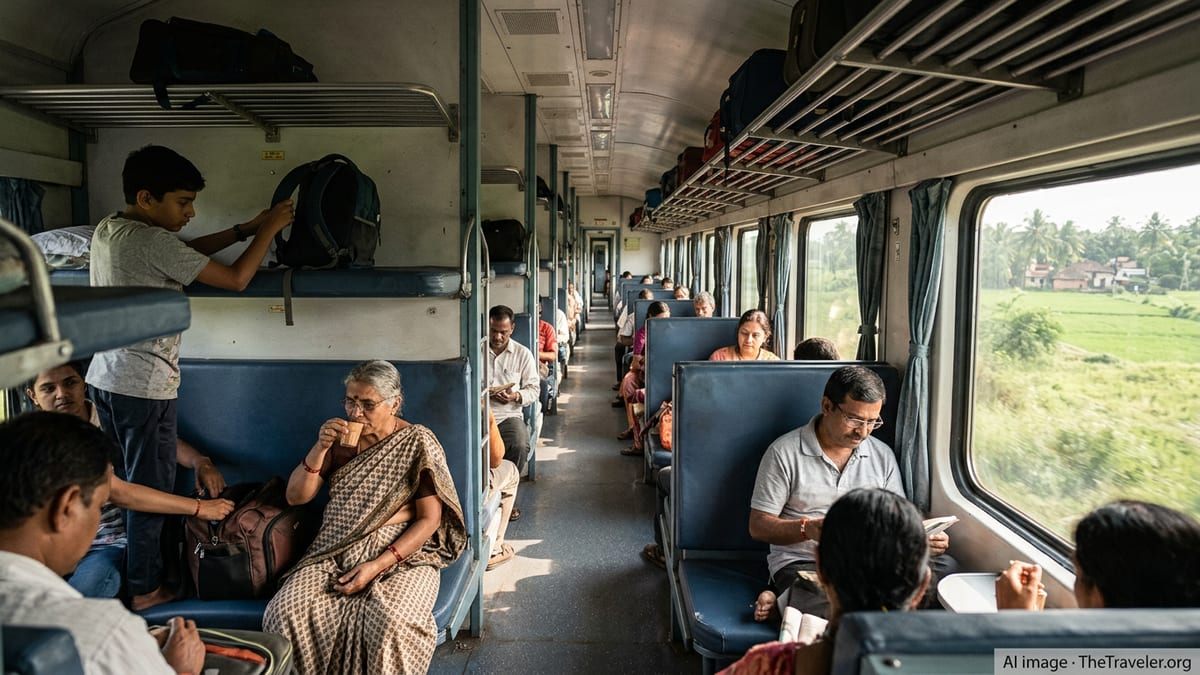
The tour is being operated as a themed pilgrimage under the Bharat Gaurav tourist train scheme, which promotes religious and heritage tourism through special chartered rakes. Reports indicate that the train configuration includes sleeper class, 3AC and 2AC coaches, with a capacity of several hundred passengers on each departure.
The service is positioned to appeal to pilgrims seeking a single-package journey rather than planning separate rail, road and accommodation segments across three states. The planned circuit effectively connects central India with Gujarat and Maharashtra, consolidating some of the most visited Shaivite destinations into one continuous route.
According to published coverage, the Delhi-origin variant is scheduled to run as a dedicated tourist departure, with onboard hospitality, transfers and local sightseeing bundled into the fare. The format is similar to earlier Bharat Gaurav religious trains that focused on Ramayana-related sites and other pilgrimage corridors.
Key Destinations: Mahakaleshwar, Somnath and More
The itinerary’s first major halt is centered on Ujjain, home to the Mahakaleshwar Jyotirlinga, one of the most significant Shiva shrines in central India. The temple town draws large numbers of pilgrims year-round, and the train schedule is structured to allow time for darshan at Mahakaleshwar along with a visit to nearby Omkareshwar, another Jyotirlinga set on an island in the Narmada River.
From Madhya Pradesh, the route proceeds toward the Gujarat coast to link Nageshwar and Somnath. Somnath is widely regarded as one of the oldest and most historically referenced Jyotirlinga temples, and forms a key attraction on the Arabian Sea shoreline. Nageshwar, located near Dwarka, adds a second Gujarat shrine to the program, making this leg of the journey particularly relevant for pilgrims focused on western India.
In Maharashtra, the train covers Bhimashankar, set in the Sahyadri hills north of Pune, followed by Trimbakeshwar near Nashik, where the Godavari River is considered to originate. Grishneshwar near Aurangabad completes the roster of seven shrines. The sequence allows passengers to experience a mix of urban temple towns, hill landscapes and coastal stretches within a single rail-based tour.
Schedules show that at each halt, passengers are transferred by road from the station to the temple areas, with organized group movements intended to manage crowding and darshan timings. The program typically includes overnight stays in hotels or dharamshalas arranged by the tour operator, rather than continuous onboard accommodation.
Bharat Gaurav Tourist Train Format and Inclusions
The Sapta Jyotirlinga Yatra from Delhi follows the standardized Bharat Gaurav tourist train model that combines transport, meals, and ground logistics in a single package price. Package descriptions indicate that the fare includes rail travel in the chosen class, onboard or off-board vegetarian meals, hotel accommodations on a twin or triple-sharing basis, and non-air conditioned or air-conditioned buses for local transfers, depending on the category booked.
Information shared through official tourism materials notes that tariffs are tiered across economy, standard and comfort categories, reflecting both coach type and hotel standard. The trains are typically fitted with onboard staff, a pantry setup and basic security arrangements, replicating the format of earlier Bharat Gaurav circuits that have targeted domestic religious travelers.
The Sapta Jyotirlinga Yatra is also promoted as benefiting from an approximate concession provided under the Bharat Gaurav scheme, which is intended to encourage group tourism by rail. For passengers, this translates to a bundled price that is positioned as competitive with arranging separate journeys to each shrine over multiple trips.
Beyond logistics, the tourist trains are designed to maintain a pilgrimage-oriented ambience, with announcements and optional group activities centered on the religious character of the journey. At the same time, operators highlight that participation is open to all travelers interested in cultural and spiritual tourism, not only those undertaking formal religious vows.
Booking, Dates and Target Travelers
According to booking portals and tour brochures, departures for the Sapta Jyotirlinga Yatra have been scheduled on select dates, with a focus on periods around major Hindu festivals and peak pilgrimage seasons. For the Delhi-origin service, the pattern follows earlier Sapta Jyotirlinga runs that have been operated from other originating cities, adjusted to fit into the capital’s rail timetable.
Bookings are being handled through online tourism platforms and authorized travel agents, with options to board at intermediate stations where the route permits. Seats are allocated across sleeper and air-conditioned classes, and prospective passengers are advised in public advisories to check current availability and coach composition at the time of reservation.
The target segment for the Delhi-based train includes pilgrims from northern India who may find it difficult to cover western and central Indian temples in separate journeys. By offering an integrated itinerary from the national capital, Indian Railways is positioning the service as a convenient choice for first-time visitors, elderly travelers and families seeking a structured group tour.
Advisories issued through tourism notices suggest that passengers review fitness requirements, temple dress codes and regional weather patterns before travel, particularly as the route crosses climatic zones ranging from the plains around Delhi to coastal Gujarat and the Western Ghats. The multi-state nature of the trip means that temperature and crowd conditions can vary significantly over the 11-day span.
Impact on Pilgrimage Tourism From the Capital
The launch of the Sapta Jyotirlinga Yatra from Delhi marks an expansion of Indian Railways’ strategy to link major pilgrimage circuits directly with large metropolitan centers. Previous themed tourist services have largely focused on routes originating in central or southern India, while the new train places the country’s capital at the starting point of a multi-state Shaivite trail.
Tourism analysts note that such circuits can redistribute pilgrimage traffic by shifting some demand from regular passenger trains and buses onto dedicated tourist services. This can ease pressure on existing long-distance routes while creating a new revenue stream that combines transport and hospitality under one product.
The inclusion of well-known destinations such as Mahakaleshwar, Omkareshwar and Somnath within a single scheduled package is expected to increase the appeal of rail-based spiritual tourism among urban travelers who may otherwise opt for short-haul flights and independent hotel bookings. For smaller towns along the route, the arrival of a large tourist contingent on fixed dates can also generate ancillary business for local guides, transport providers and vendors.
With demand for religious tourism remaining strong across India, the Sapta Jyotirlinga Yatra concept from Delhi adds another rail-based option to a growing portfolio of themed trains. Its performance across upcoming departures is likely to inform future decisions on additional circuits and seasonal variations tailored to travelers from different regions of the country.