


More news on this day
Indian Summer 2026 is shaping up as a value-driven travel season, with cost-conscious Indians using cheaper domestic and Asian air routes to squeeze maximum experiences out of tight budgets.
Get the latest news straight to your inbox!
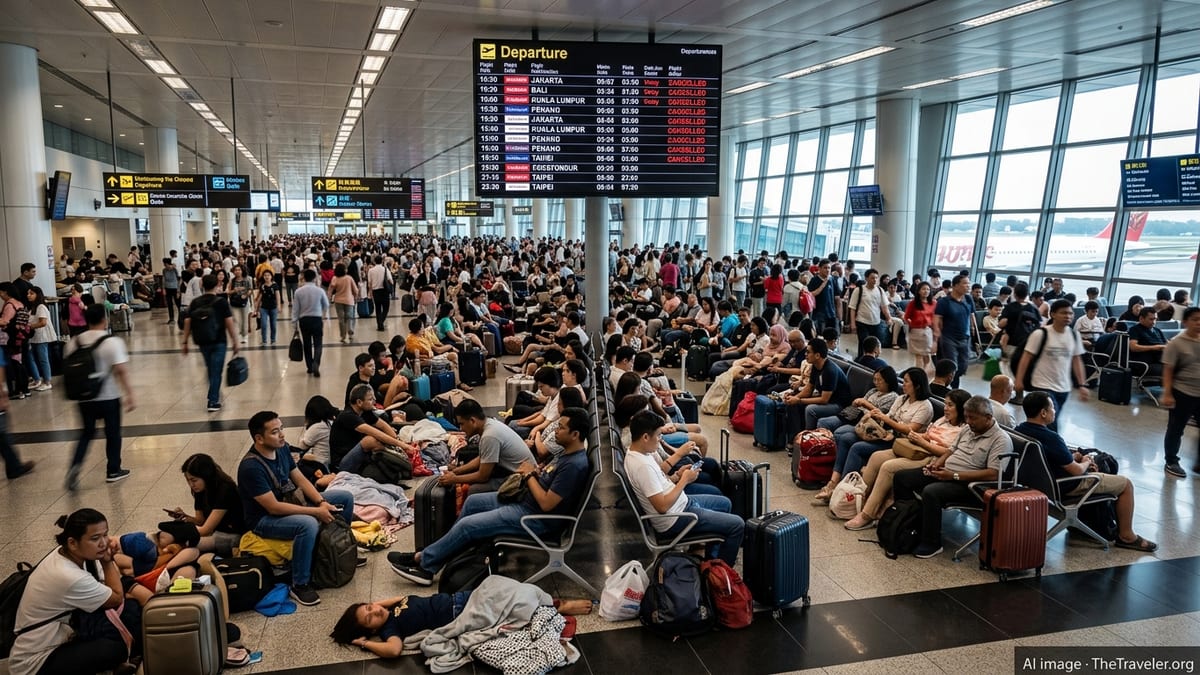
Asia Rises As Budget-Friendly Playground For Indian Flyers
Travel platforms and tourism analysts report that Asia now dominates Indian summer getaway plans, as rising long-haul fares and geopolitical tensions make Europe and North America feel out of reach for many middle-income travelers. Recent market coverage shows that eight of the ten most searched international destinations for Indians this summer are within Asia, with Japan alone accounting for several top city picks.
Southeast Asia continues to anchor India’s outbound boom, helped by short flight times, competitive pricing and a dense network of low-cost carriers. Reports focusing on 2026 patterns highlight Thailand, Malaysia, Vietnam, Singapore and the Philippines as stand-out choices, supported by frequent fare promotions and bundled deals that keep per-day costs lower than many domestic resort holidays.
At the same time, East Asian destinations, especially Japan and South Korea, are seeing a surge in demand from younger Indians drawn by pop culture, food and nightlife. Data shared in recent travel-industry coverage attributes more than 40 percent of some platform search traffic to Generation Z, suggesting that this cohort is driving a fresh eastward pivot in where and how Indians choose to holiday.
Within India, leisure travelers are also trading marquee hill stations and big-ticket beach resorts for secondary cities and under-the-radar state capitals that are still linked by competitive fares. This mix of domestic exploration and near-abroad Asian trips is giving rise to an “Indian summer travel bonanza” that prioritizes cheaper sectors without compromising on novelty.
Low-Cost Carriers And Fare Sales Shape The Summer Map
Budget airlines are central to this shift. Publicly available schedules and route maps show carriers such as IndiGo, Air India Express and Akasa Air knitting together an extensive domestic network and growing list of regional routes into Southeast Asia and the Gulf. Air India Express now serves dozens of Indian cities and leisure-focused international points largely in the Middle East and Southeast Asia, while Akasa Air has added international destinations on top of its domestic build-out.
Across Asia, low-cost specialists including AirAsia, VietJet and Cebu Pacific are aggressively marketing 2026 promotions, with lifestyle and travel media flagging flash sales and discounted add-ons as key tools for keeping total trip costs low. Analysts note that many Indian travelers are using ultra-cheap hops into regional hubs such as Kuala Lumpur, Bangkok and Singapore, then relying on secondary carriers or onward low-cost connections for island-hopping and multi-country itineraries.
Domestic pricing remains volatile after India removed temporary caps on airfares in March 2026. Commentators on aviation trends caution that last-minute tickets on trunk routes may spike during peak dates, but also point to continued availability of low advance-purchase fares on less congested timings and city pairs. For flexible travelers, that volatility can work in their favor when paired with sale calendars and fare alerts.
Industry reports also highlight that airline consolidation, capacity additions and the continued shift of older widebodies into regional high-density roles are helping keep many Asia-bound economy fares below pre-pandemic highs, even as fuel and operational costs climb. For Indian families watching every rupee, that relative affordability compared with Western long-haul sectors is proving decisive.
Generation Z Leads The Hunt For Hidden Value
Younger travelers are at the heart of the Indian Summer 2026 travel bonanza. Survey-based research from global booking platforms and metasearch firms indicates that nearly nine in ten Indian travelers have either booked or are planning a summer holiday, with Generation Z contributing a disproportionately high share of online searches and itinerary experiments.
This cohort is particularly adept at finding “sweet spot” fares, using tools such as flexible-date search, multi-city tickets and off-peak departures. Travel trend reports describe Gen Z travelers building hybrid itineraries that combine ultra-cheap domestic legs with opportunistic international segments, such as flying from a non-metro Indian city to a regional hub on a low-cost carrier, then connecting onto a separate ticket for a short-haul hop into Vietnam or Indonesia.
Data published in recent Indian outbound travel studies suggests that many younger travelers are prepared to trade down on flight frills in order to save for experiences on the ground. Red-eye flights, secondary airports and hand-baggage-only tickets are increasingly seen as acceptable compromises if they unlock extra days in Tokyo, Da Nang or Phuket.
Social media trends further reinforce this pattern, as budget hacks, mistake-fare alerts and “sub-1-lakh” international trip breakdowns circulate widely. These user-generated playbooks often spotlight Asian destinations where daily costs for food, local transport and stays can undercut popular Indian tourist centers, amplifying the appeal of already competitive airfares.
Domestic Routes, Regional Gateways And The New Value Itinerary
The search for cheaper seats is reshaping how Indians plan both domestic and outbound journeys. Aviation and tourism reports note that many travelers are structuring trips around India’s emerging tier-two and tier-three airport network, seeking out smaller cities where competition between carriers keeps fares low, then connecting onward internationally.
Examples highlighted in travel coverage include using hubs such as Kochi, Trichy or Lucknow for discounted flights into the Gulf and onward Southeast Asia, or pairing low-fare circuits like Bengaluru to Kochi with separate tickets from coastal cities into Malaysia or Thailand. This modular approach allows travelers to cherry-pick the cheapest individual segments across multiple airlines rather than relying on a single through-fare.
Inside India, cheaper domestic flights are also enabling multi-stop “sampler” holidays, where travelers stitch together two or three short sectors instead of committing to one big-ticket destination. A typical pattern for 2026 described in recent reports is combining a hill escape in Himachal Pradesh with a cultural city break in Jaipur or Lucknow, timed around promotional sales and midweek departures.
Analysts argue that this level of itinerary customization reflects a more mature and digitally savvy Indian travel market. Rather than cutting back on travel altogether in the face of higher global prices, many consumers are recalibrating where they go and how they get there, leaning into Asia’s cheapest domestic and regional hops to keep holidays both aspirational and attainable.
Rupee Stretching Strategies Keep Trips Within Reach
Reports on 2026 travel behavior consistently show that budget controls now start at the flight-search stage and extend across the entire holiday. Comparative guides and blog-based analyses aimed at Indian travelers frequently rank Vietnam, Thailand, Nepal and parts of Indonesia among the best value international options once airfares and on-ground prices are combined.
On the flight side, travel researchers highlight a set of recurring tactics. These include booking two to three months in advance for peak summer departures, remaining flexible by a few days around school holidays, and using meta-search engines to compare low-cost carriers operating similar routes via different hubs. Many Indians are also embracing “route arbitrage,” where they depart from cities with structurally cheaper outbound fares rather than their actual home base.
Once on the ground, the pursuit of value often continues through public transport, mid-range guesthouses and street-food dining. Studies on the Indian traveler in 2026 emphasize that this is not purely a low-budget story. Instead, a broad middle segment is prioritizing what they perceive as “smart spending,” cutting flight and hotel costs in order to allocate more money to activities, dining and shopping.
With Indian outbound trips estimated in recent industry literature at more than 30 million annually and still growing, Asia’s lattice of low-cost routes looks set to remain the backbone of affordable summer escapes. For now, Indian travelers chasing the cheapest domestic and international flights across the region appear to be turning high airfares elsewhere into an opportunity, reinventing the classic summer holiday around shorter hops, sharper planning and a relentless focus on value.