


More news on this day
Holidaymakers travelling through Manchester Airport this week are facing a fresh spell of disruption, with departure boards showing a growing number of delayed flights just as the summer travel season begins to ramp up.
Get the latest news straight to your inbox!
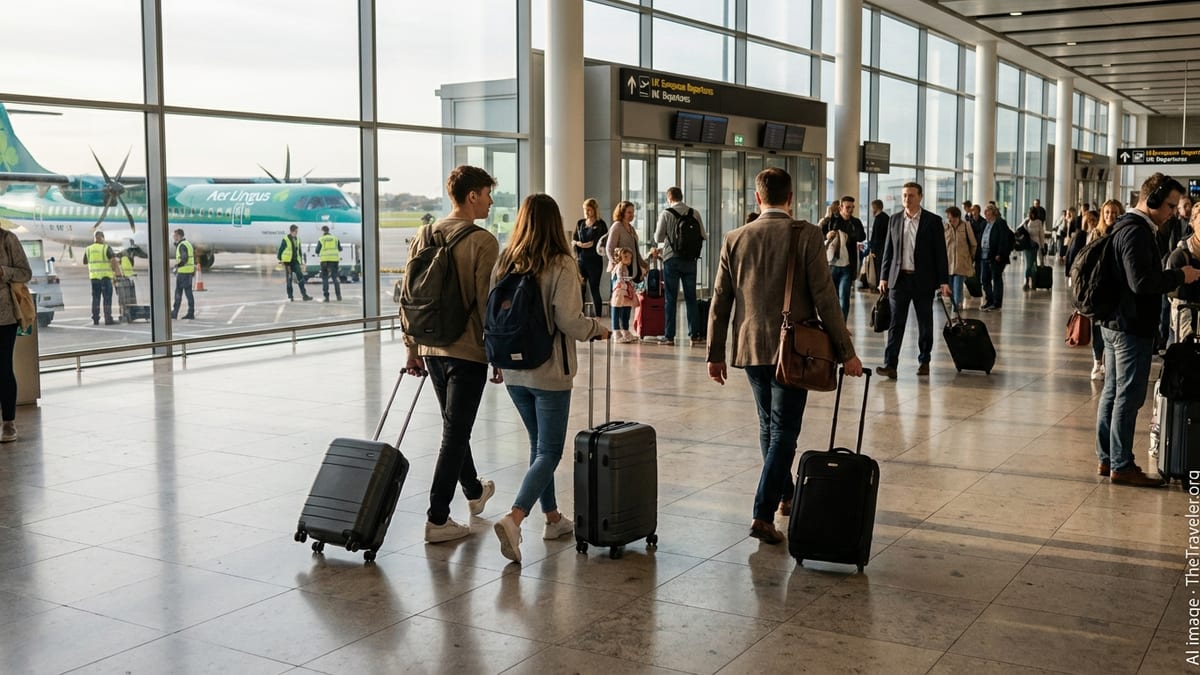
Delays build as peak holiday traffic returns
Monitoring of services on key leisure routes indicates that a broad range of flights to Mediterranean and long haul destinations are departing behind schedule, affecting both morning and evening peaks. Publicly available flight data for early June shows delays on services from Manchester to popular holiday spots including Rome, Reus, Tenerife and other sun destinations, as well as on inbound services from Las Vegas, Faro and Doha.
Reports indicate that the disruption is not confined to a single airline, with flights operated by low cost carriers and full service operators all affected to varying degrees. Travel industry coverage suggests that late‑running inbound aircraft from other European hubs are feeding into Manchester’s schedules, creating knock‑on delays for passengers at the airport.
The problems come as Manchester Airport enters one of its busiest phases of the year. The hub is a major base for easyJet, Jet2, Ryanair and TUI Airways, with a high concentration of holiday departures in the early morning and late afternoon. High loads on these services mean that even modest timetable slippage can quickly be felt by large numbers of travellers.
Airport statistics published earlier in 2026 highlighted record passenger volumes and strong demand for leisure travel. While those figures underlined the strength of the recovery, they also pointed to the pressure that sustained high traffic can place on runway, gate and baggage capacity when irregular operations develop.
Rail disruption adds pressure on airport access
The impact of flight delays has been compounded by significant problems on the railways serving Manchester Airport. A signalling fault between Manchester Piccadilly and the airport at the end of last week led to all lines being blocked for several hours, according to local media reports drawing on National Rail information.
Services operated by Northern, TransPennine Express and Transport for Wales were among those affected, with trains cancelled or delayed by up to 45 minutes and disruption reported into the evening. Guidance issued through rail information channels advised passengers to check journey planners and to allow extra time when travelling to the airport.
Although rail services have since resumed, residual disruption and altered timetables can leave some travellers facing tighter connections than planned. Surface access providers and independent advice sites note that missed train connections can add stress for departing passengers who are already concerned about potential queues at check‑in and security.
The combination of uncertain rail travel and busy terminal operations has led travel advisers to recommend that passengers build additional contingency into their journey to the airport, particularly for early morning departures popular with package holidaymakers.
Part of a wider pattern of European travel disruption
The situation at Manchester is unfolding against a backdrop of wider operational challenges across the European aviation network. Recent coverage of the European Union’s new Entry/Exit System for non‑EU nationals has highlighted the risk of longer border checks at some airports this summer, with the airline industry warning that queues of several hours are possible at peak times while the system beds in.
Elsewhere, severe weather and local incidents have triggered disruptions that feed into hub operations used by airlines serving Manchester. Recent reports from Madeira described high winds forcing diversions and cancellations, including flights originating in the United Kingdom. In Germany, operations at Munich Airport were temporarily suspended over the weekend after the control tower was evacuated, with passengers advised to expect ongoing delays as schedules recovered.
Global aviation analysis over the past week has also pointed to significant disruption at major North American gateways, with large numbers of delayed and cancelled flights at airports such as New York’s JFK and LaGuardia. When aircraft and crews are out of position on transatlantic routes, the effects can ripple into UK regional airports including Manchester, even if local conditions appear normal.
Industry observers note that the combination of high seasonal demand, ongoing staffing constraints in some parts of the aviation ecosystem and a fragmented pattern of weather‑related and technical events makes the network more vulnerable to knock‑on disruption. For passengers at Manchester, that can translate into longer waits at the gate, late‑night arrivals and the risk of missed connections on onward journeys.
How airlines and the airport are managing the strain
Publicly available information from Manchester Airport and airlines operating there indicates that carriers are adjusting schedules and aircraft rotations to try to contain delays. In some cases, flights have been retimed or consolidated, while in others additional turnaround time has been built in to allow delayed inbound aircraft to be prepared for their next sector.
Manchester Airport’s own guidance for 2026 continues to highlight measures aimed at smoothing passenger flows, including an emphasis on early check‑in, use of online boarding passes and careful preparation for security screening. The airport reports that the majority of passengers are still clearing security within a few minutes, but acknowledges that peak holiday periods can see queues build if several delayed departures overlap.
Minutes from the airport’s consultative committee earlier this year show that on‑time performance targets were missed during parts of the winter season due to a mix of weather, technical issues and airfield disruption. Those documents underline that both the airport operator and airlines are closely monitoring punctuality as summer traffic ramps up, using contingency plans and additional staff where possible.
Travel commentators suggest that while systemic issues such as air traffic control constraints and external weather events cannot be eliminated, better communication and realistic scheduling can help to reduce the impact on passengers. Transparent departure boards, timely updates through airline apps and clear wayfinding in terminals are all seen as important tools in maintaining confidence during busy periods.
What holidaymakers should do if their plans are affected
Consumer advice organisations recommend that passengers flying from Manchester in the coming days pay close attention to live flight information and any notifications issued by their airline. Checking in online, arriving at the airport earlier than strictly required and allowing extra time for rail or road travel are all regarded as sensible steps while disruption remains a risk.
Travellers whose flights are significantly delayed or cancelled may be entitled to assistance or compensation, depending on the cause of the disruption and the airline involved. Guidance from aviation regulators and passenger rights bodies stresses the importance of keeping boarding passes, booking references and receipts for any additional expenses incurred.
Independent travel experts also point out that travel insurance policies vary widely in how they treat delays and missed departures, particularly where problems arise on the journey to the airport rather than with the flight itself. Policy documents should be checked carefully so that claims can be prepared with the correct evidence if plans are severely affected.
With schools in parts of the United Kingdom approaching the summer break and more families preparing to travel, the situation at Manchester will be closely watched by the industry. While recent disruption has fallen short of the widespread chaos seen in earlier years, the latest wave of delays underlines how finely balanced the system can be when holiday traffic surges.