


More news on this day
An IndiGo flight operating from Nagpur to Kolkata was forced to execute an unscheduled landing at Raipur after a bomb threat was reported mid-air, prompting a large-scale security response before the alert was ultimately declared a hoax, according to multiple published reports.
Get the latest news straight to your inbox!
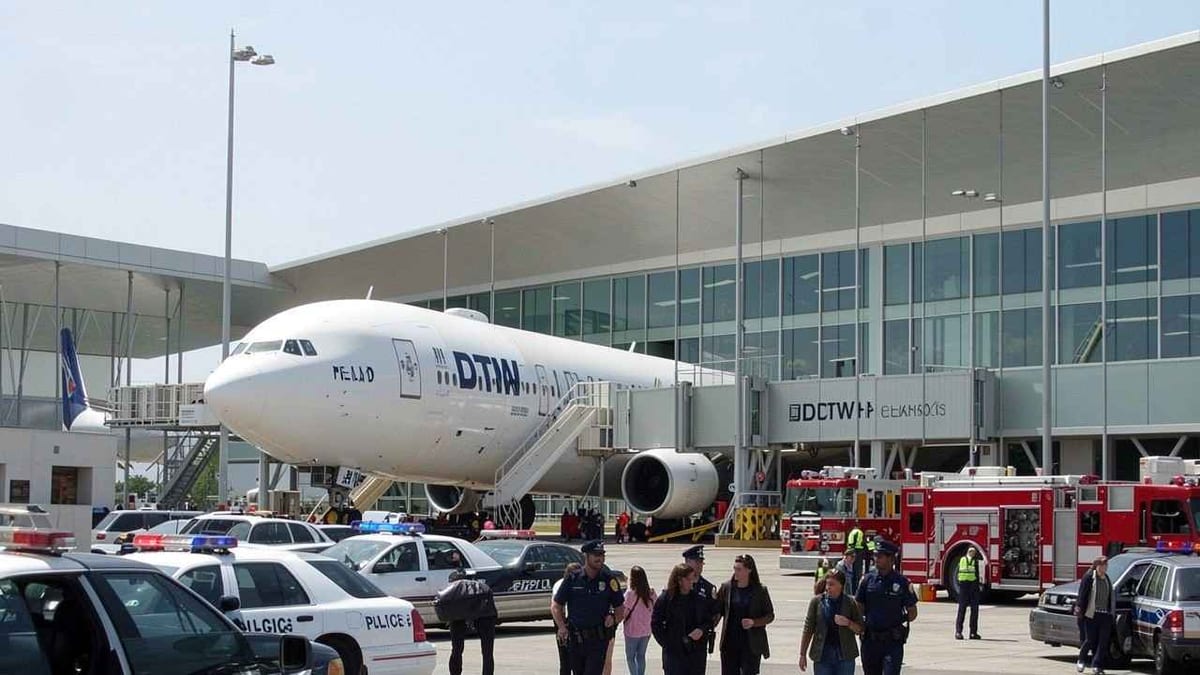
Unscheduled diversion after mid-air threat alert
Publicly available information shows that IndiGo flight 6E812, operating the morning Nagpur–Kolkata service, was diverted to Raipur on November 14, 2024, after a security scare on board. The Airbus aircraft was carrying close to 190 people, including passengers and crew, when the incident unfolded shortly after departure from Nagpur.
Reports indicate that the diversion was initiated after a passenger relayed information about a possible explosive device on board while the aircraft was in cruise. Following standard aviation safety protocols, the crew treated the warning as a potential bomb threat and requested priority handling, leading to an emergency landing at Swami Vivekananda Airport in Raipur.
Flight-tracking data and media coverage indicate that the aircraft landed safely in Raipur at around mid-morning local time. The landing was handled under heightened alert procedures, with emergency services positioned on the ground in accordance with established security norms for such events.
Security protocols at Raipur airport
Once on the ground in Raipur, the IndiGo aircraft was taken to an isolation bay away from the main terminal and other operational stands. Published coverage notes that this step is a standard requirement under India’s civil aviation security guidelines when a mid-air threat is reported.
All passengers and crew disembarked from the aircraft, and baggage was removed for screening. Security teams carried out a systematic search of the cabin, cargo hold, and overhead compartments, using bomb detection and sniffer-dog squads as part of the response.
According to news reports, no suspicious device or material was found during these checks, and the threat was later categorised as a hoax. The comprehensive sweep and clearance process kept the aircraft on the ground in Raipur for several hours before normal operations could resume.
Impact on passengers and onward journey
The emergency diversion temporarily disrupted travel plans for the 187 passengers on board flight 6E812. Many were required to wait at Raipur airport while security procedures were completed and the aircraft was inspected and cleared for further movement.
Reports suggest that once authorities completed their checks and gave clearance, the flight was allowed to continue its journey to Kolkata. The aircraft eventually departed Raipur around midday, several hours behind its original schedule, and later reached Netaji Subhas Chandra Bose International Airport.
While delays of this kind can cause considerable inconvenience, aviation safety practices prioritize risk mitigation in any situation involving a potential security threat. Passengers on board flight 6E812 ultimately completed their journey without physical harm, though many experienced extended travel times and additional screening.
Passenger detained after hoax bomb alert
Following the incident, media reports indicate that the passenger who initially raised the alarm about a bomb on board was detained for questioning by security personnel at Raipur. The individual was reportedly identified during the post-landing procedures and separated from the rest of the passengers for further inquiry.
Under Indian law, providing false information or creating a hoax related to bombs or other security threats can carry serious legal consequences. Investigations in such cases typically examine the passenger’s intent, mental state, and any prior record, as well as whether the act was a prank, a miscommunication, or a deliberate attempt to disrupt flight operations.
Although detailed legal outcomes have not been widely publicized, similar hoax threats in recent years have often resulted in criminal cases, fines, and potential imprisonment, reflecting the stringent approach taken toward aviation security violations.
Wider context of aviation security alerts in India
The diversion of IndiGo flight 6E812 fits into a broader pattern of heightened security sensitivity within India’s aviation network. In recent years, multiple flights across different airlines have responded to threat alerts, including bomb notes found on board and warnings relayed through third parties, with most later classified as hoaxes after thorough checks.
Such incidents have led to visible emergency responses at airports across the country, including activation of isolation bays, deployment of bomb disposal squads, and temporary suspension or rerouting of nearby movements. While the majority of these alerts turn out to be baseless, authorities and airlines continue to treat every case as credible until proven otherwise.
Industry analysts note that these responses, though disruptive, form an essential part of global aviation security architecture. The IndiGo 6E812 diversion from Nagpur to Kolkata via Raipur illustrates how established protocols are applied in real time when a threat emerges mid-flight, with safety placed ahead of punctuality and convenience for all onboard.