

More news on this day
A collision between two passenger trains on a busy main line near Bedford, north of London, has left multiple people injured and prompted a large emergency response, in what rail operators and local services are treating as a major incident.
Get the latest news straight to your inbox!
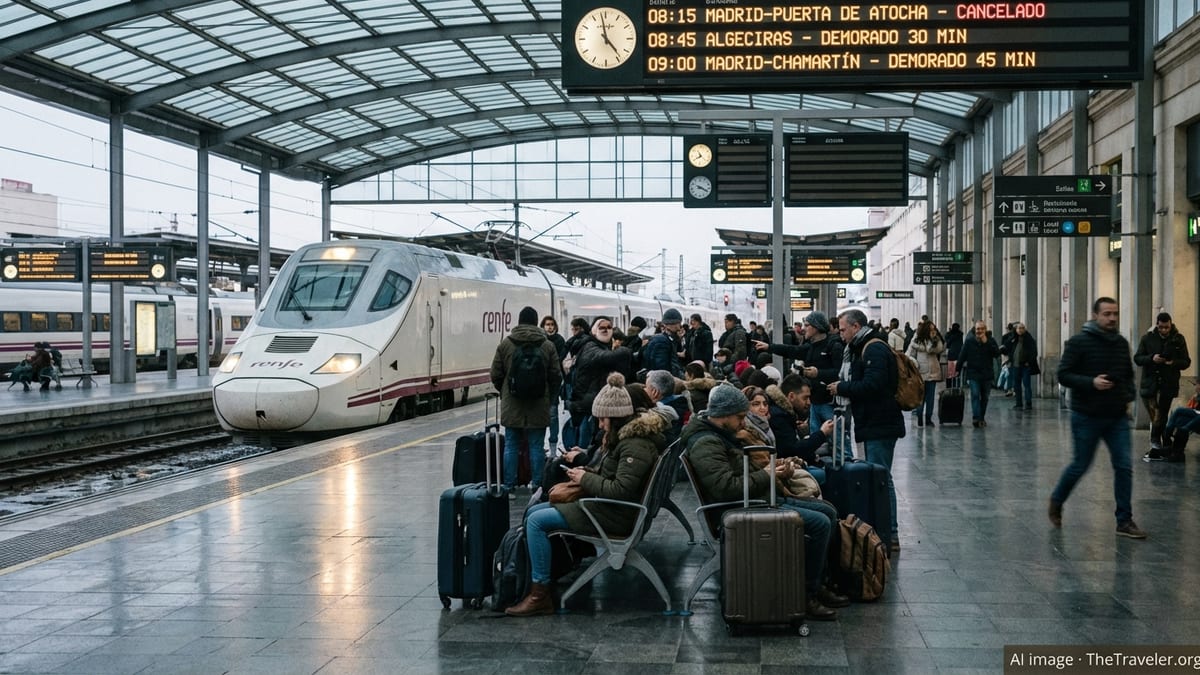
Evening collision on route linking London with the Midlands
According to published coverage from British and international outlets, the crash occurred on the evening of Friday 19 June on the Midland Main Line, which links London St Pancras with towns and cities in the East Midlands. Reports indicate that the incident involved a London-bound East Midlands Railway service and a commuter train operating on the same corridor.
Initial information suggests that the collision happened shortly after one of the trains had departed Bedford station heading south. Images shared on social media and described in news reports show at least one train with significant front-end damage and another with crumpled carriages, with debris scattered along the trackside.
Rail services along the corridor were halted following the crash, with operators warning of severe disruption for passengers travelling between London and destinations including Bedford, Luton, Wellingborough, Kettering and Nottingham. Publicly available journey planners showed long delays, diversions and cancellations on both intercity and commuter services through the evening.
Coverage from UK media indicates that emergency calls were received shortly before 7 p.m., with the location described as just south of Bedford on the approach towards London. The affected stretch of line carries a high volume of daily traffic, including long-distance intercity trains and stopping services serving commuter towns into the capital.
Multiple injuries as emergency response declared a major incident
Reports from the scene indicate that a significant number of passengers and railway staff sustained injuries of varying severity. Images and footage reviewed by news organisations appear to show people with head wounds and other visible trauma being treated at the lineside and on station platforms.
Local health services and regional media have described the situation as a major incident, a designation that prompts a co-ordinated response from ambulance, fire and police services, as well as hospitals in the surrounding area. According to published accounts, at least one regional hospital activated emergency protocols in anticipation of receiving a large number of casualties.
Although early reports have focused on injuries rather than fatalities, coverage remains cautious, noting that the full extent of harm to those on board was still being assessed late on Friday evening. Some passengers posting online described walking away from the wreckage with bruises and minor injuries, while others referred to more serious trauma among those seated towards the front of one of the trains.
Railway safety specialists commenting in the media highlighted that even relatively low-speed impacts between modern trains can cause significant injuries, particularly to anyone standing, moving through the carriage, or seated close to the point of impact. The configuration of two passenger services on the same line, and the apparent rear-end nature of the collision, is expected to be a central focus of the official investigation.
Rail services suspended and travellers facing widespread disruption
The crash led to the immediate suspension of services through the affected section of the Midland Main Line, cutting a key rail artery between London and central England at the height of the Friday evening travel period. According to rail operator updates and journey planners reviewed after the incident, trains were either cancelled or turned back short of the collision site, with some services diverted where alternative routes were available.
Disruption quickly spread beyond Bedford as rolling stock and crew became stranded out of position, affecting services to and from major stations such as London St Pancras, Leicester, Derby and Nottingham. Passengers were advised to delay travel, seek alternative routes or use tickets on other operators where acceptance agreements were in place.
Media coverage noted that road congestion also increased on parallel motorway and trunk road corridors as travellers switched to cars, coaches or rideshare services at short notice. For many commuters and long-distance passengers, the incident resulted in extended journey times, missed connections and overnight delays, underlining the reliance of the region on this main line for both work and leisure travel.
Travel industry observers suggested that knock-on disruption could continue into the weekend, depending on the time required for emergency access, accident investigation and recovery of the damaged trains and infrastructure.
Early focus on how two modern passenger trains came to collide
While it remains too early for definitive conclusions, rail commentators and transport analysts have begun to outline the key questions likely to be examined by investigators. Publicly available information suggests that both trains were operating on a signalled, modern main line equipped with layered safety systems designed to minimise the risk of collision.
Issues likely to be scrutinised include the precise sequence of signals displayed to each driver, the position and speed of the trains in the minutes before impact, and the performance of any automatic train protection systems. Investigators will also be expected to analyse on-board data recorders, signalling logs and communications between control centres and train crews.
Specialists quoted in transport coverage note that rear-end collisions on main line railways are rare, particularly in countries with a strong recent safety record. This has intensified public interest in understanding whether the incident stemmed from technical failure, human error, infrastructure issues, or a combination of factors.
Passenger accounts shared with news outlets and on social platforms, describing a sudden impact followed by smoke, debris and darkness inside carriages, are likely to provide additional context for investigators assessing how the collision unfolded and how effectively safety systems and emergency procedures functioned in real time.
Passenger experiences and next steps for travellers
Many of those on board the two trains described a chaotic but orderly evacuation, with people helping one another along uneven ground beside the tracks towards safe assembly points and nearby roads. Social media posts referenced passengers using phone torches to navigate, assisting children and older travellers, and waiting for medical assessment before being allowed to continue their journeys.
For travellers with upcoming trips along the Midland Main Line, rail operators have advised checking live departure boards and service updates before setting out, as reduced frequencies, altered stopping patterns and residual delays are expected while the site remains under control of emergency and recovery teams. Some services may run with fewer carriages while rolling stock undergoes inspection.
Travel planners suggest that tourists and business travellers who depend on this corridor build in additional time for journeys over the coming days and consider alternative routes, including other main lines from London or coach services, particularly for time-sensitive connections such as flights or international trains.
For now, the focus remains on caring for the injured, supporting those affected by the crash and restoring safe operations on one of the country’s busiest rail routes. As formal investigations progress, further details are expected to shape discussions about rail safety, infrastructure investment and resilience across the wider UK network.