


Hilton today is far more than a single hotel brand. With more than 9,000 properties worldwide spanning everything from budget-friendly business hotels near interstate exits to once-in-a-lifetime private island resorts, the “Hilton experience” can look very different depending on where you check in. For travelers planning a work trip, a family vacation or a bleisure stay that blends both, understanding how Hilton’s portfolio fits together can help you get better value, earn and use points more strategically, and choose the right property for the trip you actually want to have.
Get the latest updates straight to your inbox!
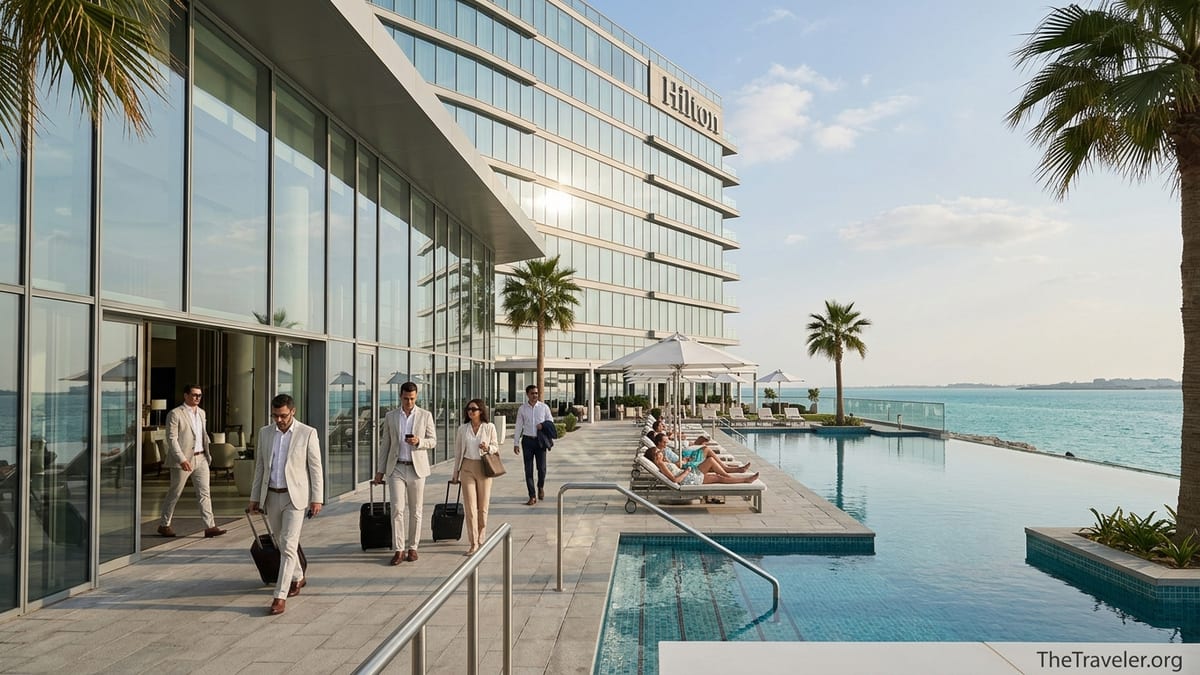
Hilton’s Ecosystem: One Company, Many Experiences
Hilton Worldwide now manages and franchises 26 distinct hotel brands across more than 9,000 properties in around 125 countries and territories, according to its latest investor materials in May 2026. The portfolio covers nearly every price point and trip type, which is why you can have a completely different experience at a Spark by Hilton off a highway in Ohio than at a Conrad resort in the Maldives. Yet they are both under the same corporate umbrella and earn the same Hilton Honors currency.
At the core is Hilton Hotels & Resorts, the flagship full-service brand, often found in major city centers and near convention venues. Names like Hilton New York Midtown or Hilton San Francisco Union Square are classic examples that cater heavily to business and events guests, with large ballrooms, multiple meeting spaces, and hundreds or even thousands of rooms. These properties typically anchor Hilton’s presence in a destination and set the baseline for the “Hilton” experience many people recognize.
Around the flagship sit several clusters. Focused service and midscale brands like Hampton by Hilton, Tru by Hilton and the relatively new Spark by Hilton are designed to give cost-conscious travelers a clean, predictable place to sleep with limited extras. Upscale business and lifestyle brands such as Hilton Garden Inn, DoubleTree by Hilton, Curio Collection by Hilton and Tapestry Collection by Hilton add more character, dining and meeting options. At the high end, luxury flags like Waldorf Astoria, Conrad Hotels & Resorts and LXR bring resort-style amenities, fine dining and highly personalized service.
For guests, the key is realizing that the logo on the front door tells you a lot about what to expect. A Hampton Inn near Dallas–Fort Worth airport might routinely sell weekdays around 130 to 180 dollars per night and offer free breakfast but no restaurant or room service. A Waldorf Astoria resort in Cabo or the Maldives, by contrast, can easily reach well over 900 dollars per night in peak season, with multiple restaurants, a full-service spa and extensive resort programming baked into the experience.
Inside the Business Hilton: Road Warrior to Boardroom
Hilton’s reputation among frequent travelers was built largely on its business hotels. Brands like Hilton, DoubleTree by Hilton, Hilton Garden Inn and Embassy Suites by Hilton concentrate on the needs of corporate guests who might spend more nights in hotels than at home during busy seasons. They tend to cluster around downtown financial districts, business parks, airport corridors and convention centers, offering quick access to clients and meeting venues.
A typical example is Hilton Chicago, which overlooks Grant Park and regularly hosts conferences and trade shows. It features large ballrooms that can accommodate hundreds of delegates, dedicated conference floors, built-in audiovisual infrastructure and on-site catering teams. Weekday rates here often fluctuate between 250 and 400 dollars depending on conventions and citywide demand, with major events sending prices higher. For corporate travel departments, negotiated corporate rates can smooth out some of that volatility.
On the focused-service side, Hilton Garden Inn and Hampton by Hilton properties aim squarely at the road warrior who values reliability and speed over luxury. A Hilton Garden Inn near a suburban office park in Atlanta might run 160 to 220 dollars on a typical Tuesday and include a made-to-order breakfast, evening bar service and flexible lobby workspaces. Hampton Inns, by contrast, usually include a complimentary breakfast but skip full restaurants, which keeps operating costs down and price points lower. This is the segment where Hilton faces intense competition from brands like Courtyard and Fairfield by Marriott or Hyatt Place, and where loyalty programs and consistent service often determine which logo a frequent traveler chooses.
Hilton has also pushed into the meetings and events niche with Signia by Hilton, a newer brand built around large-scale events, wellness and high-tech meeting facilities. Signia by Hilton Orlando Bonnet Creek, for example, combines a resort setting with extensive conference space, attracting everything from pharmaceutical product launches to association annual meetings. Corporate planners often look at the all-in cost of group rates, meeting room rental and food and beverage minimums, which at a Signia property can reach into six or seven figures for a mid-size convention.
From City Towers to Sand and Sea: The Resort Side of Hilton
On the leisure and resort side, Hilton has been expanding aggressively in sun-and-sand destinations and emerging luxury hotspots. Hilton’s own resort collection spans most of its full-service and luxury brands, from family-friendly oceanfront Hiltons in Florida to far-flung Conrads and Waldorf Astoria resorts in the Indian Ocean and Middle East. A recent example is Hilton’s move into the Barr Al Jissah resort complex near Muscat, Oman, which shifted from another operator at the start of 2026 and now includes multiple Hilton-branded hotels tucked between the Hajar Mountains and the Gulf of Oman.
For many North American travelers, an accessible illustration of the resort experience is a property like Hilton Hawaiian Village Waikiki Beach Resort. With several towers, multiple pools, a wide stretch of beach and on-site activities from surf lessons to cultural performances, it functions almost like a small village. Typical high-season nightly rates for entry-level rooms can hover between 330 and 550 dollars, with resort fees, parking and premium views adding significantly to the final bill. By contrast, a beachfront Hilton in a secondary market on Florida’s Gulf Coast might average closer to 250 to 350 dollars outside peak holidays.
At the top of the luxury pyramid, resorts like Waldorf Astoria Maldives Ithaafushi or Conrad Bora Bora Nui show what the Hilton portfolio can deliver when cost is less of a concern. Overwater villas here commonly price at over 1,500 dollars per night in peak seasons, with private pools, butler-style service, and fine dining. Travelers often combine these stays with business-class award tickets booked through airline partners to stretch value, but the on-the-ground costs, including boat or seaplane transfers and dining, can still easily exceed several thousand dollars for a few nights.
In between the pure business hotel and destination resort are properties that deliberately cater to “bleisure” travelers who want to add a day or two of vacation to a work trip. Resort-style Hiltons in cities like San Diego, Phoenix or Singapore, and golf or spa resorts near major corporate hubs, are set up so that a conference attendee can spend Thursday in meetings and Friday afternoon on a golf course or at the spa without changing hotels.
Brand Tiers Explained: Business, Lifestyle and Luxury
Hilton’s growing list of brands can feel confusing, but it helps to think of them in tiers. At the business and midscale level, brands like Hampton by Hilton, Spark by Hilton and Tru by Hilton focus on function. Rooms are smaller, restaurants are rare, but there is usually free Wi Fi, breakfast at most Hampton locations, and a standard room layout that feels familiar whether you are in Kansas City or Krakow. These brands are popular with small business owners, families on road trips and sports teams because rates can often stay under 175 dollars per night in many markets.
Upscale and lifestyle brands mark the transition from purely practical to more experiential. Hilton Garden Inn and DoubleTree by Hilton sit toward the business end of this category, adding amenities like sit-down restaurants, bars and more amenity-rich rooms. Curio Collection by Hilton and Tapestry Collection by Hilton, by contrast, gather together independent hotels and small chains that keep their own character while plugging into Hilton’s distribution and loyalty system. The result can be a boutique-style hotel in an adapted historic building in Paris, or an industrial-chic warehouse conversion in Nashville, that still lets a frequent business traveler earn and redeem points.
At the high end, Waldorf Astoria, Conrad and LXR represent Hilton’s interpretation of global luxury. Waldorf Astoria properties often occupy iconic locations, such as Waldorf Astoria Beverly Hills or Waldorf Astoria Amsterdam, offering rooftop pools, Michelin-leaning restaurants and white-glove service. Conrad Hotels & Resorts tends to lean more contemporary and design-driven, appealing to well-heeled travelers who want modern aesthetics alongside high-end service, as seen in hotels like Conrad New York Downtown or Conrad Tokyo. LXR Hotels & Resorts sits at the very top and brings together unique luxury properties, sometimes with fewer rooms and a heavy emphasis on local sense of place.
For travelers, the practical way to use these tiers is to align them with trip intent and budget. A three-night client visit with full days in meetings might be best served at a central Hilton Garden Inn or DoubleTree where you can walk to offices and get a quick dinner on property. A milestone anniversary trip might justify a splurge at a Waldorf Astoria resort, where you trade the convenience of a corporate location for a setting built around indulgence, from beach cabanas to long tasting menus.
Hilton Honors: The Glue Between Business and Resort Stays
What truly connects a weeknight stay at a Hampton Inn in Cleveland to a honeymoon at a Conrad in the Seychelles is Hilton Honors, the company’s loyalty program. As of 2026, Hilton Honors has simplified its earning requirements while adding a new top tier called Diamond Reserve. Entry-level members earn points on every eligible stay, while elite tiers unlock benefits that can significantly change your experience at check in, especially at full-service and luxury properties.
Silver status, which kicks in after relatively few nights or via entry-level co-branded credit cards, mostly offers modest perks like a points bonus and bottled water at many hotels. Gold status, which now requires roughly 25 nights or an equivalent spend level per year under the updated 2026 rules, is where benefits start to feel meaningful. Gold members generally receive daily food and beverage credit or breakfast at most full-service brands, space available room upgrades and higher points earning rates, which can be especially valuable on expensive resort stays.
Diamond status, traditionally earned after around 50 nights in a calendar year or granted outright through a premium co branded credit card such as certain Hilton Honors American Express products, adds benefits like better upgrade priority, executive lounge access where available, and higher bonus earning. For instance, a Diamond member at a busy convention hotel in London might be moved from a standard king room to an executive floor room with lounge access, saving on breakfast and evening snacks across a four-night stay.
The new Diamond Reserve tier, which Hilton is rolling out starting in 2026 for its most frequent guests, raises the bar with confirmable suite upgrades that can be locked in at booking for specific stays, guaranteed late checkout and other high-touch perks. For a traveler who spends a significant part of the year on the road for business, this can mean turning a standard work trip into something closer to a mini resort stay, particularly at urban properties with strong leisure offerings, like rooftop pools and destination restaurants.
Comparing Business Hotels and Luxury Resorts in Practice
The contrast between a Hilton business hotel and a Hilton luxury resort is most obvious in location and atmosphere, but for travelers the more important differences show up in price structure, time use and the kinds of services you actually interact with. At a suburban Hilton Garden Inn in Texas catering to a mix of regional sales reps and visiting engineers, you might pay 190 dollars for a Tuesday night, spend most of your waking hours off-property, and only really use the lobby, breakfast area and bed. The value equation is about convenience, free parking and the ability to rack up points cheaply.
At a destination resort like Conrad Algarve in Portugal or Waldorf Astoria Los Cabos Pedregal, that same 190 dollars may not even cover the resort fee, and nightly rates can range from 500 dollars outside peak holidays to over 1,000 dollars during school vacations or major events. Here guests are likely to stay on property for most meals, book spa treatments or excursions through the concierge, and treat the resort itself as the main attraction. A family on a seven-night stay might only leave the grounds for a single day trip, making room comfort, pools and kids’ programs central to the experience.
Service style also shifts notably. Business-focused properties tend to emphasize speed: mobile check in and digital keys via the Hilton Honors app, quick turnaround housekeeping and 24-hour self-serve snack markets. Staff are geared toward fixing immediate problems, such as reprinting a boarding pass or helping with a late check in after a delayed flight. In resorts, pacing is more relaxed. A butler at a Conrad or Waldorf Astoria might spend 20 minutes walking you through your villa’s features, arranging dinner reservations and suggesting activities for the week.
From a points perspective, travelers who live in Hilton business hotels Monday through Thursday often fund their leisure travel with rewards. Tens of thousands of base points earned on corporate stays can be redeemed for long weekends at resorts in Mexico, Hawaii or Europe, especially when combined with promotions or fifth night free benefits on award stays. The difference between burning 40,000 points for a night at a business hotel that would have cost 200 dollars cash, and redeeming 120,000 points for a 900 dollar resort night, is where strategy becomes important.
How to Choose the Right Hilton for Your Trip
Choosing the right Hilton comes down to matching the property’s DNA with your priorities. If you are attending a three-day conference, staying at the host Hilton or Signia property often makes sense, even if rates are higher than at limited-service options across town. You save time shuttling back and forth, can easily pop back to your room between sessions, and maximize networking in the lobby bar after hours. For these trips, it can be smart to pay for a slightly higher room category that includes lounge access or to rely on Gold or Diamond status to secure that benefit.
For pure vacation travel, decide whether you want the resort to be the destination. If you are headed to a city like Rome or Tokyo where sightseeing is the focus, consider a centrally located Hilton or Curio Collection property that lets you walk or use transit easily, even if the hotel itself is not a full-scale resort. If you are going somewhere like the Maldives or certain parts of the Caribbean, where most of the action is within resort walls, look harder at the included amenities, kids’ clubs, restaurant pricing and optional activities when comparing a Hilton resort to alternatives.
Bleisure travelers should pay attention to how easily a given hotel transitions from work mode to vacation mode. A Hilton resort adjacent to a city convention center, for instance, may let you tack on a weekend at leisure rates without changing neighborhoods. In other cases it might make sense to split your stay, spending the workdays at a more corporate Hilton near the office, then moving to a nearby Conrad, Waldorf Astoria or LXR resort for two nights of genuine downtime once the meetings are done.
Finally, think through how Hilton Honors benefits will play at a specific property. Some urban Hiltons have robust executive lounges with hot breakfast and substantial evening spreads, which can meaningfully cut dining costs for Gold and Diamond members. Many resorts, however, no longer have lounges and instead provide daily food and beverage credits for elites that may or may not fully cover breakfast. Reading recent guest reviews and looking at sample menus can help you estimate whether those credits will make a dent in your on-property spending.
The Takeaway
The modern Hilton experience stretches from efficient highway-side business hotels to secluded ultra-luxury resorts, with lifestyle boutiques and family-friendly oceanfront properties in between. What unites all of these is a common loyalty program and increasingly consistent digital tools, such as mobile check in, digital keys and room selection in the app, which make it easier to move up and down the portfolio as your life and travel patterns change.
For frequent business travelers, midweek nights at Hilton business hotels can be the engine that powers aspirational leisure stays, especially when paired with Gold, Diamond or Diamond Reserve status. For families and couples, Hilton’s resort network offers plenty of choice across budgets and geographies, from Florida beaches to Gulf Coast resorts and Indian Ocean overwater villas. Approaching Hilton not as a single brand but as an ecosystem of options lets you pick the right property for each trip rather than defaulting to the first logo you recognize.
In practical terms, that means weighing location, brand tier, typical nightly rates, included amenities and your Hilton Honors status on every booking. Whether you are checking into a Hilton Garden Inn near an industrial park for a one-night sales visit or a Waldorf Astoria resort for a milestone celebration, understanding where each property sits in Hilton’s universe will help you get more comfort, value and enjoyment out of every stay.
FAQ
Q1. What is the main difference between a Hilton business hotel and a Hilton resort?
The biggest differences are location, amenities and how you use the property. Business-focused Hiltons tend to be near offices, airports or convention centers and emphasize efficient stays with meeting space and quick dining options. Resorts are usually in leisure destinations, offer pools, beaches, spas and extensive activities, and are designed for guests to spend most of their time on property.
Q2. Which Hilton brands should I look for if I am traveling primarily for work?
For most business trips, Hilton Hotels & Resorts, DoubleTree by Hilton, Hilton Garden Inn and Embassy Suites by Hilton are the core options, with Signia by Hilton for large conferences. Hampton by Hilton and Tru by Hilton can also work well for cost-conscious trips where you just need a reliable place to sleep and work.
Q3. What are Hilton’s top luxury brands for resort stays?
Hilton’s luxury portfolio is led by Waldorf Astoria, Conrad and LXR Hotels & Resorts. These brands operate some of Hilton’s most upscale resorts in destinations such as the Maldives, Bora Bora, Cabo San Lucas and major European cities, with extensive amenities, high-end dining and more personalized service.
Q4. How expensive are Hilton luxury resorts compared with business hotels?
Prices vary by season and location, but a midweek night at a business-focused Hilton Garden Inn in a US city might run around 160 to 230 dollars. By contrast, entry-level rooms at luxury resorts such as Waldorf Astoria or Conrad properties in top leisure destinations can easily range from 500 dollars per night to well above 1,000 dollars during peak periods, before taxes and fees.
Q5. Does Hilton Honors status matter more at business hotels or at resorts?
Hilton Honors status can be useful at both, but it often feels more impactful at full-service and luxury properties, where complimentary breakfast, food and beverage credits, lounge access and room or suite upgrades can significantly change the experience. At limited-service and midscale hotels, elite benefits are typically more modest but can still add value through bonus points and small conveniences.
Q6. Can I use points from my business stays to book Hilton resorts for vacation?
Yes. All eligible stays at participating Hilton brands earn Hilton Honors points, which you can redeem across the portfolio, including at luxury resorts. Many travelers intentionally concentrate their business travel with Hilton to accumulate points for high-value redemptions at resorts in places like Hawaii, Mexico or the Indian Ocean, especially when they can use features such as a fifth night free on standard room award stays.
Q7. Which Hilton brands include free breakfast?
Most Hampton by Hilton properties and many midscale brands include complimentary breakfast for all guests. At full-service and luxury brands such as Hilton, Curio Collection, Conrad or Waldorf Astoria, breakfast is usually paid unless you have Hilton Honors Gold or higher status and receive breakfast or a daily food and beverage credit as part of your benefits, subject to local policies.
Q8. How do resort fees work at Hilton properties?
Some Hilton resorts, particularly in US beach and leisure markets, add a nightly resort fee that covers extras such as pool access, Wi Fi upgrades, fitness classes or local transportation. These fees are typically charged per room per night, are not usually waived for elite members and may or may not be included in award stays, so it is important to check the rate details before booking.
Q9. Is it better to stay at the conference Hilton or a cheaper Hilton across town?
It depends on your priorities. Staying at the host Hilton or Signia property usually costs more but saves time, makes networking easier and reduces transportation hassles. Choosing a less expensive Hilton brand across town can lower your room bill but may mean daily rideshares, missed informal meetings and less flexibility to return to your room between sessions.
Q10. How can I tell which Hilton brand is right for my family vacation?
Start by deciding whether you want a resort-style stay or a city base. For pool and beach focused trips, look for resort-designated Hiltons, Conrad or Waldorf Astoria properties and check for kids’ clubs and family rooms. For urban sightseeing, a centrally located Hilton, Curio Collection or Hampton might offer better value and convenience. Then compare typical nightly rates, what is included, and how your Hilton Honors status, if any, will play into breakfast, lounge access and potential upgrades.