


More news on this day
InteleTravel, described in published coverage as one of the world’s largest host travel agencies for independent advisors, has launched operations in the United Arab Emirates, establishing Dubai as its Middle East base and opening a new front in the region’s fast-evolving travel distribution landscape.
Get the latest news straight to your inbox!
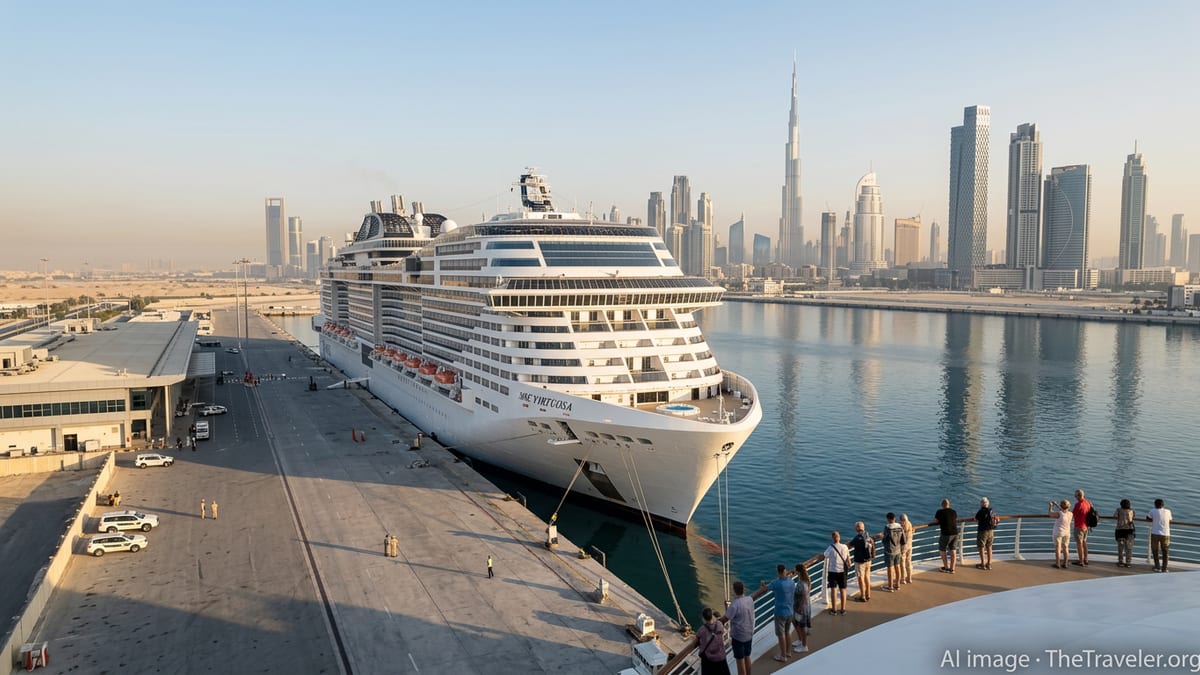
Dubai Becomes Middle East Launchpad for InteleTravel
According to recent announcements and trade media reports, InteleTravel has formally commenced operations in the UAE, with a new entity trading as Intele Travel and Tours in Dubai. The move follows several years of international expansion that has seen the company build sizable networks of home-based travel advisors in markets including the United States, United Kingdom, Ireland, Mexico and the Caribbean.
Reports indicate that the company is positioning its UAE operation as both a regional headquarters and a showcase for its model of independent, commission-based travel advisors working under a central host agency. Publicly available information highlights Dubai’s role as a major aviation hub, luxury tourism market and gateway to wider Middle East and North Africa travel flows as key reasons for selecting the city as its regional base.
Industry coverage suggests that the launch had been in preparation for some time, with earlier plans reportedly delayed amid regional instability. With the operation now active, InteleTravel is moving into a market where outbound demand from residents, inbound tourism, and corporate travel flows continue to recover and diversify.
The UAE presence adds to an international footprint that has grown steadily in recent years, with company materials frequently citing a global network of well over one hundred thousand independent travel advisors. The Dubai launch marks the first time the model has been deployed in the Gulf region.
Home-Based Advisor Model Targets UAE’s Diverse Travel Demand
InteleTravel’s entry brings the home-based travel advisor concept more firmly into the spotlight in the Gulf. The model relies on individuals working remotely as travel planners under the umbrella of a licensed host agency, accessing negotiated rates, training and booking platforms without operating traditional retail storefronts.
Published information on the UAE launch notes that the market combines high-spending luxury travelers, large expatriate communities, family holidaymakers, pilgrimage traffic and significant business travel. By tapping independent advisors embedded in these communities, the company aims to capture both outbound trips from the UAE and inbound itineraries for visitors using the country as a regional stopover or primary destination.
Reports on the Dubai operation also point to a focus on both leisure and corporate travel segments. The global business travel recovery and the growing number of small and medium enterprises in the UAE are seen as important drivers for personalized, advisor-led services, particularly for complex multi-stop itineraries and group travel.
While digital self-booking has become widespread in the region, industry observers note continuing demand for human advice on cruise products, long-haul combinations, destination weddings and bespoke experiences. InteleTravel’s model is designed to meet that demand by blending online tools with one-to-one service delivered by home-based specialists.
Regulatory Compliance and Localization in the UAE Market
Launching in the UAE requires adherence to a defined regulatory framework around travel selling, including licensing, bonding and representation. Publicly available information on the Dubai entity indicates that InteleTravel’s local operation is structured to meet these rules, operating as a properly registered travel and tourism business under UAE requirements.
Trade reports state that the company has emphasized the importance of localization, from understanding visa regulations and airline schedules to tailoring product portfolios for Gulf travelers. This includes strengthening relationships with regional airlines, destination management companies and hotel groups that serve both inbound and outbound markets.
Analysts following the launch note that the UAE’s position as a testbed for new travel and mobility concepts, from advanced aviation projects to next-generation hospitality, makes it a strategically visible market. Success in Dubai could provide a template for further expansion into neighboring Gulf Cooperation Council states once licensing and partnership models are established.
At the same time, the regulatory environment in the UAE places clear expectations on marketing practices, consumer protection and transparency in how travel products are sold. Industry commentary on the launch suggests that building credibility with local partners and regulators will be as important as recruiting new advisors.
Regional Expansion and New B2B Distribution Pathways
Coverage of the UAE move frames it as part of a broader regional strategy. Travel industry reports describe the Dubai operation as a gateway for expanding a base of independent advisors across the wider Middle East, with the UAE serving as a central node for supplier relationships, training and technology deployment.
The launch also points to shifting patterns in business to business distribution in global travel. By aggregating a large network of home-based advisors rather than operating traditional retail chains, InteleTravel functions as a sizable distribution channel for airlines, hotel groups, cruise lines and tour operators seeking access to consumers in new markets.
Recent developments in the company’s portfolio, including the introduction of a business travel booking platform for small and mid-sized enterprises, suggest that the UAE operation may be used to test and localize new tools for advisors and corporate clients. Industry analysts view this as part of a wider trend in which host agencies are extending beyond pure leisure sales into managed travel solutions for growing regional businesses.
For regional tourism boards and suppliers, the expansion offers an additional route to market. By working with home-based advisors familiar with local preferences and languages, partners can potentially reach niche segments that are harder to address through mass marketing or purely online channels.
Implications for Competition and Travel Distribution in the Gulf
The arrival of a large international host agency in Dubai adds a new dynamic to the UAE’s travel retail landscape, which has traditionally been dominated by brick and mortar agencies, in-house airline channels and online travel platforms. Observers note that the success of InteleTravel’s model will depend on factors such as advisor recruitment quality, technology performance and the ability to secure competitive rates in a market where consumers are highly price aware.
Existing local agencies may see the home-based model as both competition and collaboration opportunity. Some may choose to partner with independent advisors on sub-agency or white-label arrangements, while others could focus on specialist segments such as corporate travel management, religious tourism or ultra-luxury services where established brands and offices remain influential.
For consumers, the most visible impact could be a broader choice of personalized advisory services available through social media, community networks and referrals, rather than traditional storefront visits. If the model gains traction, travelers in the UAE may increasingly engage with advisors who work remotely but are backed by international systems, training and supplier relationships.
As the operation ramps up, industry attention will focus on how quickly InteleTravel can build a sustainable advisor base in the UAE, how regional suppliers respond, and whether the Dubai hub becomes a springboard for a wider Middle East network of home-based travel professionals.