


Choosing between a small-group tour with a company like Intrepid Travel and planning everything yourself is one of the biggest decisions you will make for any major trip. Both approaches can deliver an unforgettable journey, but they suit very different travel styles, budgets, and comfort levels. Understanding how they compare in the real world will help you decide which side of the fence you fall on for your next adventure.
Get the latest updates straight to your inbox!
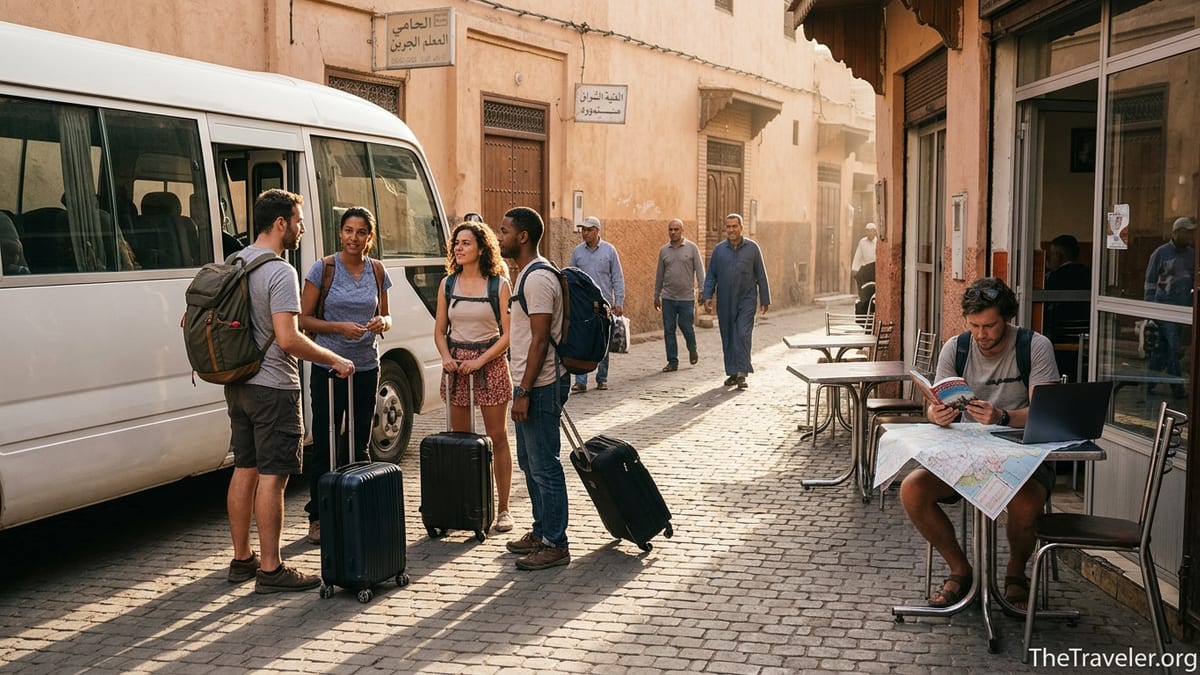
What Intrepid Travel Actually Provides
Intrepid Travel is a specialist in small-group adventures, typically running trips with around 10 to 16 travelers to more than 100 countries. The brand is built around using local leaders, staying in locally owned accommodation where possible, and favoring public or private local transport over big tour buses. This makes an Intrepid itinerary feel more like structured independent travel than a traditional package tour, while still providing a clear day-by-day plan.
Intrepid divides its trips into four comfort levels: Basix, Original, Comfort, and Premium. Basix is the most stripped-back option, often using simple guesthouses or hostels and relying heavily on local transport. Original, the long-standing core of Intrepid’s range, offers mid-range hotels and a good mix of included activities and free time. Comfort and Premium lean into nicer hotels, more private transport, and more inclusions, with Premium adding “feature stays” such as historic riads in Morocco or boutique cave hotels in Cappadocia on certain itineraries.
To understand what that looks like in practice, consider a typical 8-day “Original” tour in Vietnam. You might stay in a mix of centrally located three-star hotels and one overnight train or homestay, travel by public train and minivan, and have a local leader managing all tickets and logistics. In contrast, a Premium trip in the same destination is more likely to swap the overnight train for a flight or high-end sleeper and feature four-star hotels with well-reviewed breakfasts, plus extra guided experiences bundled into the price.
The small-group format also shapes your days. Breakfasts are often eaten together, there is usually at least one structured activity daily, and the trip leader will suggest or organize dinners and optional excursions. Travelers who find comfort in having a social group and someone else handling the details tend to appreciate this; those who prize complete autonomy sometimes find the structure constraining after a few days.
What It Costs: Intrepid vs Planning It Yourself
At first glance, Intrepid’s prices can look higher than a DIY itinerary, but a fair comparison needs to account for inclusions. As an example, a typical 10-day Original-level tour through Italy might be priced in the range of 2,500 to 3,500 US dollars per person before flights, depending on the season and exact route. That usually covers accommodation, ground transport on the itinerary, some activities such as city walking tours or cooking classes, and several meals. Travelers still need to budget for lunches and dinners on most days, museum entry in free time, and any optional side trips.
Independent travelers can often design a similar 10-day Italy itinerary for a comparable total cost if they book thoughtfully. For instance, two people traveling together might spend around 130 to 190 US dollars per night on mid-range hotels in cities like Rome and Florence in shoulder season, add intercity trains at roughly 30 to 60 US dollars per leg, and budget 40 to 70 US dollars per person per day for food and sightseeing. Once everything is tallied, the total can end up in the same broad range as a small-group tour of a similar standard, especially when you factor in occasional guided tours or day trips that DIY travelers tend to book on top of their base costs.
Where Intrepid can be more economical is in destinations that are logistically complex or where local flights, permits, and transport are expensive when arranged individually. A classic example is a two-week trip in Peru that includes the Sacred Valley, Machu Picchu, and perhaps an Amazon jungle extension. Booking trains to Aguas Calientes, entry times for Machu Picchu, domestic flights, and guided hikes separately can become costly and time consuming. Intrepid can negotiate group rates and manage allocations, which sometimes brings the per-day cost in line with a well-organized DIY trip once hidden fees and last-minute markups are considered.
On the flip side, budget-conscious backpackers who are comfortable with dorm beds and overnight buses will nearly always find independent travel cheaper. A Basix-style tour in Southeast Asia may include hostels and simple guesthouses but will still be paying for a professional leader, central support staff, and marketing overhead. A solo traveler content with basic hostels booked on mobile apps and local street food can often travel the same route for substantially less, particularly outside peak seasons.
Time, Effort, and Stress: The Hidden Currencies
One of the strongest arguments for choosing Intrepid over DIY is the amount of planning time it saves. Crafting a two-week itinerary in a country like Japan or India from scratch may require dozens of hours of research: checking train schedules, comparing neighborhood safety, reading hotel reviews, and figuring out how to buy local SIM cards or transport passes. With Intrepid, you choose a departure date, receive a packing list and trip notes, and most of those decisions are already made.
This is especially valuable for travelers with demanding jobs or limited vacation days. A US-based couple with only 12 days off in October, for instance, may decide that their time is worth more than the money they might save by hunting for marginally cheaper guesthouses. Knowing that a local leader will troubleshoot missed trains, restaurant reservations, or weather disruptions can radically reduce pre-trip anxiety.
Stress also shows up on the road, not just during planning. Imagine arriving in Marrakesh at night after a delayed flight, then needing to negotiate a taxi fare into the medina while jet-lagged and carrying luggage. An Intrepid Comfort or Premium tour typically includes an arrival transfer or at least detailed instructions and optional arrangements, which removes a stressful decision point. On a DIY trip, you either need to embrace this negotiation as part of the adventure or prepare obsessively in advance.
Independent travel, however, offers its own form of mental ease to certain personalities. If you relish improvisation, like changing cities on a whim, or prefer quiet evenings over group dinners, the structure of an Intrepid itinerary may feel restrictive. For example, a solo traveler in Thailand who discovers a favorite beach on Koh Lanta can simply extend their stay by a few days when traveling independently; on a group tour, the group moves on regardless of who wants more time.
Social Dynamics and Solo Travel Considerations
Intrepid’s model is particularly appealing to solo travelers who enjoy company but do not want to self-organize a group trip. Many departures have a significant proportion of solo guests, and the company offers room-sharing arrangements to avoid single supplements on certain styles. For a 30-year-old solo traveler joining a six-day Iceland adventure, this means landing in Keflavik and almost immediately having a ready-made social circle for hikes, hot springs, and dinners, rather than facing the prospect of making new connections from scratch in each hostel.
Group dynamics, in reality, are nuanced. When the chemistry in a group is good, the trip can feel like traveling with a bunch of friends you did not know you had, complete with inside jokes on long bus rides and shared memories after a sunrise at Angkor Wat. But reviews and traveler forums also show that a mismatched group or an underwhelming leader can sour the experience. It only takes one dominant personality or a guide who is more logistical manager than storyteller for the social atmosphere to cool.
DIY travel offers full control over your company. Couples, families, and friends who know they travel well together often prefer to keep their circle small. A family of four exploring Costa Rica on their own schedule can adapt each day to the kids’ energy levels, skip evening group meetings, and avoid worrying about whether they are slowing anyone down on a hike. Solo travelers who are naturally outgoing may also prefer the independence of choosing when to socialize, perhaps by joining occasional local walking tours or cooking classes while still controlling their own itinerary.
Age and comfort with ambiguity matter too. Intrepid’s Basix trips sometimes attract younger travelers willing to share dorm rooms and roll with last-minute changes, while Comfort and Premium commonly see a spread of ages, including travelers in their 50s, 60s, and beyond. Independent travel has no such segmentation; everything from late-night night-bus backpacking to high-end private safaris is available, as long as you are willing to organize or pay for it.
Depth of Experience, Local Insight, and Responsible Travel
One of Intrepid’s biggest selling points is guided access to local knowledge. A good Intrepid leader can turn a standard city walk into an engaging narrative about politics, religion, and everyday life. In real terms, that might mean a guide in Delhi detouring to show the class structure of different neighborhoods on the metro, or a leader in Mexico City introducing the group to a family-run mezcal producer that most foreign tourists would never find.
The company also talks frequently about responsible travel. It has policies on animal welfare, community engagement, and human rights, and markets certain trips with specific themes such as women-only expeditions or wildlife-focused itineraries. For travelers worried about the ethical implications of activities like elephant riding or orphanage visits, joining a company that has clear guidelines can provide reassurance that someone else has vetted suppliers. Independent travelers can research and choose responsible operators as well, but it demands time and discernment to avoid greenwashing.
Independent itineraries can feel more immersive for travelers willing to do the legwork. Staying a week in a neighborhood in Lisbon, shopping at the same local bakery each morning, and slowly figuring out the bus routes often leads to more spontaneous connections than moving between cities every second day on a fixed tour. DIY travelers can linger in a café in Oaxaca or take three days of language classes in Cusco without worrying about keeping up with a group schedule.
In practice, many travelers blend both approaches. A couple might book an Intrepid tour for a complex segment such as a trek to Everest Base Camp or a multi-day journey through Central Asia, then add a week of self-planned downtime at the end in a single beach town. Similarly, a solo traveler might tack a four-day Intrepid tour in a region perceived as less straightforward, such as parts of the Middle East, onto a longer period of completely independent backpacking.
Risk Management, Safety, and Flexibility
Every trip involves some risk, from missed trains to political unrest. Group tours like Intrepid provide a layer of structure around these uncertainties. When a road closes in Peru due to landslides or a ferry is canceled in the Greek Islands because of high winds, the local leader and back-office support typically reroute the group, rebook hotels, and organize alternative activities. For less experienced travelers, especially in regions with language barriers, this problem-solving backup has real value.
Intrepid also has well-documented safety protocols and responsible travel policies, which can be reassuring in destinations with complex security or health considerations. For example, an Intrepid trip in parts of North Africa or the Middle East will usually come with vetted local partners, pre-checked accommodations, and clear guidance on dress codes, local norms, and safe areas to explore during free time. Independent travelers must piece together such information from news reports, local blogs, and official advisories, and then make judgment calls about what risk level they accept.
Flexibility is where DIY travel clearly wins. On a self-planned trip, you can extend or shorten stays at will, detour to a new country on a cheap last-minute flight, or adjust the itinerary to recover from fatigue. If your favorite city on a European rail trip turns out to be Ljubljana rather than Venice, nothing stops you from staying an extra three nights and skipping another stop. With Intrepid, the dates, route, and most logistics are fixed. Some flexibility exists if you ask to skip a day’s activity, but the group moves forward regardless.
Cancellation and change policies are another factor. Group tour bookings usually have set cut-off dates after which changes incur fees. Independent travelers piecing together refundable hotel rates, flexible airfare, and no-penalty train tickets have more control, though often at a higher upfront price. Either way, travel insurance is essential whether you book with Intrepid or go it alone, particularly in an era when weather disruptions, strikes, and health issues can change plans rapidly.
Who Should Book Intrepid, Who Should Go DIY?
Choosing between Intrepid and planning your own trip ultimately comes down to your priorities and personality. Travelers who tend to thrive on Intrepid trips include first-time international travelers who feel nervous about language barriers or unfamiliar transport systems, busy professionals with high incomes but very limited vacation time, and solo travelers who enjoy structured social interaction. For instance, a New York–based nurse with two weeks off in February might find a small-group tour of New Zealand or Patagonia far more approachable than trying to compare dozens of domestic airlines and car rental companies alone.
DIY travel, on the other hand, favors people who see research as part of the fun. If you enjoy building custom maps, reading restaurant reviews, and tracking flight deals, you will likely feel constrained by a pre-set tour. Couples planning a slow three-week trip through southern Spain might prefer to choose a single base in Seville for a week, then move on to Granada and a whitewashed village, designing days around their own energy levels rather than around fixed departure times.
Budget also plays a role, but not as simply as “group tours are expensive.” A solo traveler comparing an Intrepid Comfort trip in Eastern Europe with booking everything independently might find the price difference modest once private rooms, transfers, and several guided activities are accounted for. Meanwhile, a backpacker happy with shared dorms and low-cost airlines can often travel independently for half or two-thirds of the price of a comparable tour, provided they are flexible about travel dates and locations.
A helpful rule of thumb is this: if the idea of arriving in a new city with no pre-booked accommodation fills you with excitement, DIY is probably the better fit. If it fills you with dread, or if you simply do not have time to plan in detail, a structured option like Intrepid will likely make your experience smoother and more enjoyable.
The Takeaway
There is no universally correct choice between an Intrepid Travel tour and planning the trip yourself. The decision hinges on how much you value time savings, structure, social connection, and professional support compared with flexibility, personal control, and the thrill of figuring things out as you go.
Intrepid works best when you want small-group camaraderie, expert local leadership, and a reliable framework in destinations that might otherwise feel intimidating or time-consuming to plan. It is especially compelling for solo travelers, first-time visitors to complex regions, and busy people who want the richness of independent-style travel without personally handling every detail.
DIY travel shines when you crave total freedom, have the appetite to manage logistics, or are working within a tight budget and willing to trade some convenience for lower costs. It allows spontaneous discoveries, slow travel, and deep immersion in a single place in ways that even the most thoughtfully designed group itinerary cannot fully match.
For many travelers, the best answer is not either-or but both. Consider using Intrepid for the segments where logistics, safety, or distances are most complex, then adding days or weeks of independent exploration on either side. In doing so, you can harness the strengths of each approach and create a trip that is not only memorable, but also precisely aligned with how you like to experience the world.
FAQ
Q1. Is an Intrepid Travel tour cheaper than planning the same trip myself?
Often the overall cost is similar when you match the same comfort level and activities, but very budget-conscious DIY travelers can usually travel for less.
Q2. How big are the groups on Intrepid tours?
Most Intrepid trips run with small groups, commonly around 10 to 16 travelers, which is much smaller than traditional coach tours that can exceed 40 people.
Q3. Are Intrepid guides local to the destination?
In most cases, yes. Intrepid emphasizes using local leaders who live in or are from the region, which adds cultural context and up-to-date practical insight.
Q4. Can I have free time on an Intrepid tour, or is everything scheduled?
Intrepid itineraries blend planned activities with free time. You usually have blocks of time most days to explore independently, relax, or choose optional excursions.
Q5. Is Intrepid a good choice for solo travelers?
Yes. Many Intrepid guests are solo travelers, and the small-group format plus shared rooms on some styles make it easier and often more economical than going alone.
Q6. Will I miss out on authentic experiences if I do a group tour instead of traveling independently?
Not necessarily. A strong local leader can open doors to authentic places and people, though DIY travelers who invest time in research can also access rich local experiences.
Q7. How much planning do I still have to do if I book with Intrepid?
You will need to arrange international flights, visas, insurance, and any extra days before or after the tour, but daily logistics on the itinerary are largely handled for you.
Q8. What type of traveler is better suited to planning everything independently?
DIY travel suits people who enjoy research, are comfortable navigating uncertainty, and want full control over pace, destinations, and budget trade-offs.
Q9. Can I combine an Intrepid tour with independent travel on the same trip?
Yes. Many travelers book an Intrepid tour for a complex region or segment and add independently planned days or weeks before or after for slower, more flexible travel.
Q10. How do I decide between Intrepid and doing it myself for my next trip?
Consider your available planning time, budget flexibility, comfort with logistics, desire for social travel, and how strongly you value spontaneity versus structured support.