


More news on this day
Charleston’s Union Pier Terminal has sent off its last cruise ship, marking the end of the city’s modern cruise era and opening the door to a sweeping reinvention of one of the Southeast’s most coveted waterfronts.
Get the latest news straight to your inbox!
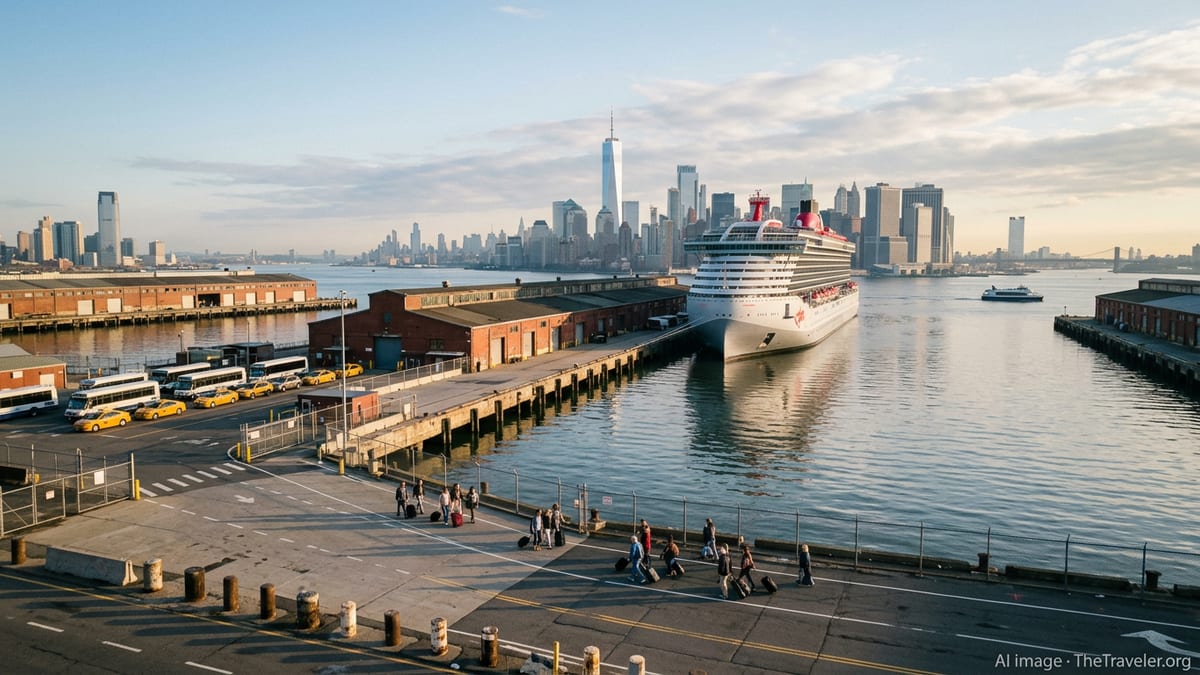
Final sailings draw curtain on a cruise era
The departure of the last scheduled cruise vessel from Union Pier at the end of June 2026 capped more than a decade of regular homeport sailings from downtown Charleston. Publicly available cruise schedules show that major lines halted homeport operations after Carnival Cruise Line’s long-running program concluded, with subsequent calls limited to occasional port visits rather than embarkations.
The shift has been years in the making. South Carolina Ports announced in 2022 that it would not renew its agreement allowing large cruise ships to begin and end voyages at Union Pier beyond 2024, citing a desire to unlock the site for redevelopment and to focus more heavily on cargo operations. Local coverage indicates that December 2024 marked the formal end of Charleston’s status as a cruise homeport, with only transient calls following into 2025 and 2026.
Reports from regional outlets describe the scene as the final ship departed Union Pier, noting that the moment closed a chapter that began in the late 1960s and grew rapidly after Carnival established a year-round presence. For many residents, it signaled both relief from congestion and uncertainty about what comes next on a rare expanse of largely undeveloped urban waterfront.
From working port to mixed-use waterfront vision
The end of cruise operations at Union Pier clears the way for one of Charleston’s most closely watched development projects. The 70-acre site, stretching along the Cooper River just steps from the city’s historic core, has long handled a mix of cruise passengers and breakbulk cargo but remained largely off-limits to the general public.
Planning documents published by the City of Charleston and South Carolina Ports describe a long-term goal of transforming Union Pier into a walkable district that integrates housing, retail, offices and significant public open space. The concept envisions reconnecting downtown streets to the water, creating new parks and promenades, and replacing warehouse sheds and paved staging areas with a finer-grained street network.
According to city briefing materials, Union Pier’s redevelopment is being framed as a once-in-a-generation opportunity to shape how Charleston grows along its harbor while addressing chronic issues such as flooding, traffic and housing affordability. The site’s scale makes it one of the largest potential infill projects on the East Coast within a historic city center.
Community concerns shape the Union Pier blueprint
Publicly available records show that early versions of the master plan for Union Pier drew strong reactions from neighborhood groups, preservation advocates and environmental organizations. Concerns centered on building heights, traffic impacts, the treatment of historic structures and the extent of guaranteed public access to the waterfront.
Following a wave of public meetings and feedback in 2023 and 2024, the city and port authorities extended the planning timeline and commissioned additional community engagement. Updated guidance from local government emphasizes that any redevelopment should prioritize resilience to sea-level rise, ensure meaningful public spaces along the shoreline and better reflect the character of Charleston’s established neighborhoods.
Advocacy groups have pressed for stronger commitments on affordable housing, stormwater management and limits on short-term rentals within the new district. Their input has influenced revisions to planning documents, which now place heavier emphasis on parkland, flood-adapted design and protections for view corridors along the Cooper River.
Tourism strategy pivots beyond big-ship cruising
Charleston’s tourism economy has long leaned on its historic architecture, culinary scene and cultural festivals, with cruising representing just one segment of the visitor mix. With Union Pier shifting away from homeport operations, local tourism and business organizations are recalibrating expectations for how travelers arrive and spend time in the city.
Industry data cited in regional business reports indicates that cruise passengers historically made up a modest share of Charleston’s overall visitor volume compared with drive-in and fly-in tourists staying in hotels, vacation rentals and inns. The end of regular embarkations is expected to reduce peak-day congestion around the waterfront while putting more emphasis on longer-stay visitors who contribute across lodging, dining and cultural attractions.
Port information and cruise line schedules suggest that Charleston will remain on select itineraries as a port of call, with ships berthing at alternative terminals north of Union Pier. That would keep the city on the cruise map in a more limited role, even as officials and business leaders focus on spreading visitor traffic across seasons and neighborhoods rather than concentrating it on embarkation days.
A test case for balancing growth, heritage and the sea
The Union Pier transition is being closely watched by other historic ports wrestling with similar questions about where cruise ships fit into dense, culturally significant downtowns. Charleston’s experience illustrates both the economic benefits that cruising can deliver and the pressures it can place on streets, air quality and waterfront access when terminals sit directly beside residential neighborhoods.
Urban planners and academics following the project point out that Union Pier offers a rare opportunity to rethink a working waterfront without relocating the city’s port entirely. The emerging plans aim to preserve Charleston’s role as a major cargo gateway while opening new stretches of shoreline to residents and visitors, a balance that has eluded many older ports.
As the last cruise passengers roll their suitcases off Union Pier and construction planning accelerates, the future of Charleston’s harborfront is shifting from ship schedules to site plans. The decisions made over the next few years will determine whether the former cruise terminal becomes a model for climate-resilient, community-centered waterfronts or a cautionary tale in an era of rising seas and surging tourism demand.