


More news on this day
Iran’s latest rejection of a United States backed proposal to fully reopen the Strait of Hormuz is prolonging uncertainty across the Gulf, with energy markets, regional aviation and travel insurers all adjusting to an extended period of elevated risk that directly affects residents and visitors in the United Arab Emirates.
Get the latest news straight to your inbox!
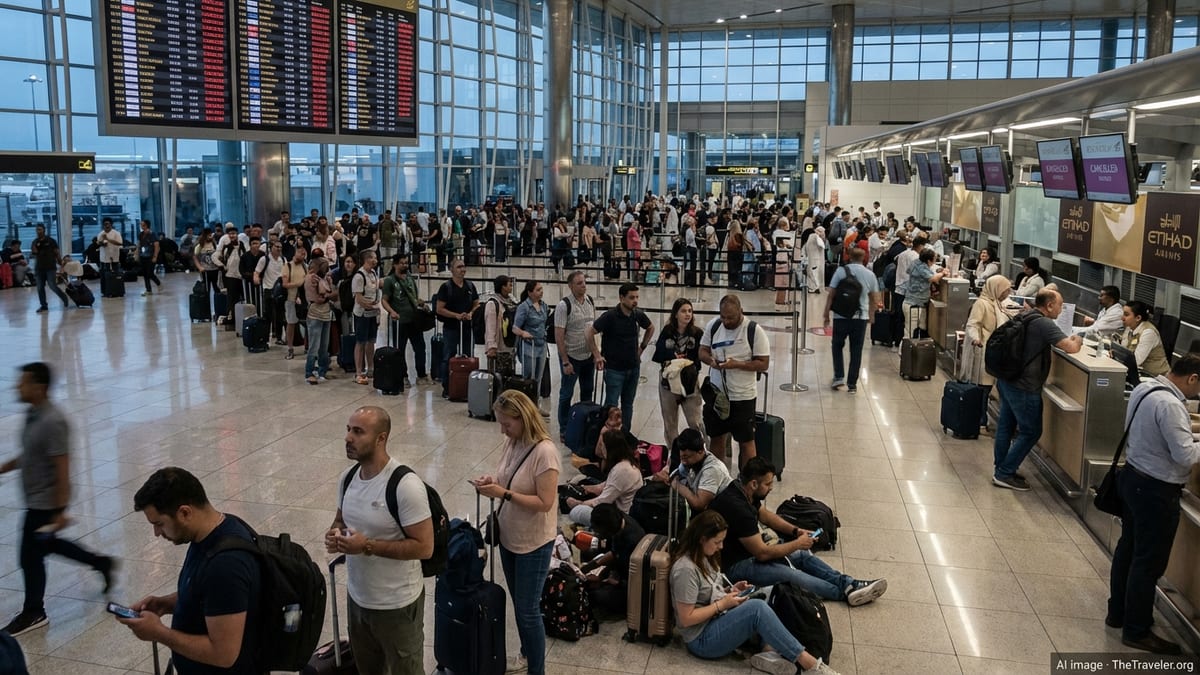
What Iran’s rejection means for the Strait of Hormuz
Recent coverage by international and regional outlets indicates that Iran has declined a US supported framework that aimed to restore commercial traffic through the Strait of Hormuz to pre war levels in exchange for a phased ceasefire and sanctions relief. Iranian officials have instead continued to link any broad reopening of the waterway to more extensive conditions, including an end to military operations against Iranian interests and formal recognition of Tehran’s leverage over the strait.
Reports tracing the stop start diplomacy between Washington and Tehran describe how provisional understandings on maritime security and oil shipments have repeatedly unraveled. Mediation efforts involving Gulf and European states produced draft texts that would have eased restrictions on shipping lanes and reduced the need for armed escorts, but Iran’s insistence on long term guarantees and wider political concessions has prevented a final accord from being implemented.
Analyses of the Hormuz standoff emphasize that the dispute is no longer only about physical access to the shipping lanes. It has become a symbol of Iran’s broader confrontation with the United States and its regional partners. By resisting a US backed deal, Tehran is signaling that it will continue to use the strait as a pressure point, even as it allows limited northbound routes and selectively greenlit convoys to operate under its supervision.
For Gulf economies such as the UAE, which depend heavily on stable maritime trade and investor confidence, the prolonged negotiations mean that a full normalization of traffic through the strait remains uncertain, even if outright closure has been avoided for now.
Impact on energy flows and prices in the Gulf
The Strait of Hormuz is the primary outlet for crude oil and liquefied natural gas exports from major producers including Saudi Arabia, Iraq, Kuwait and Qatar, while the UAE itself uses both the strait and alternative pipelines that bypass it. Publicly available data compiled by energy agencies show that, in peacetime, roughly a fifth of the world’s traded oil passes through this narrow channel.
Disruptions since the start of the latest Iran related crisis have not halted exports completely, but they have introduced delays, rerouting and higher security costs. Tankers are increasingly required to coordinate with naval escorts or follow specific corridors monitored by regional and international forces. Some UAE bound cargoes have been rescheduled or diverted to avoid peak risk periods, adding time and expense to journeys.
Market reports over recent months point to intermittent spikes in benchmark oil prices whenever negotiations over Hormuz appear to stall or when new incidents involving missiles, drones or boarding operations are reported near the shipping lanes. While long term price trends are driven by broader global factors, the uncertainty around Hormuz has become a recurring source of volatility that filters through to fuel costs, airline ticket pricing and freight charges.
For consumers and residents in the UAE, the immediate effect is less about shortages and more about price sensitivity. Fuel subsidies and state level pricing mechanisms cushion some of the impact, but higher premiums for hull, cargo and political risk insurance are frequently passed down the supply chain, influencing everything from airfares to the cost of imported goods.
How air travel and tourism are being reshaped
Although the Strait of Hormuz is a maritime chokepoint, the tensions around it have influenced the way airlines plan routes across the Gulf. Aviation advisories issued since the escalation of the Iran conflict have encouraged carriers to limit exposure to certain air corridors near the strait and over parts of Iran’s coastline during periods of heightened alert. Some airlines have temporarily lifted cruising altitudes or shifted flight paths slightly south or west to increase perceived separation from potential hotspots.
Major UAE based carriers have continued operating extensive networks, but schedule planners have factored in the possibility of sudden airspace restrictions or the need for rapid re routing. This can translate into slightly longer flight times on some routes, higher fuel burn, and periodic adjustments to frequencies if demand softens from markets that are particularly sensitive to Middle East security headlines.
Tourism flows into Dubai and Abu Dhabi have so far remained resilient, according to industry updates and hotel occupancy data, helped by diversified source markets and strong demand for leisure and business travel. However, tour operators note that travelers are paying closer attention to government travel advisories, airline statements and travel insurance terms than in previous years. Questions about regional stability and contingency planning are becoming a more common feature of trip planning discussions.
For UAE residents planning outbound travel, the main practical impacts are potential changes in connection times through Gulf hubs, limited flexibility on last minute rebookings during periods of tension, and possible surcharges linked to higher operating costs. Keeping itineraries and contact details up to date with airlines and booking platforms remains important in case of short notice schedule changes.
Insurance, safety and practical tips for UAE residents
The extended stand off over Hormuz has also heightened the role of risk management for individuals and companies. Travel and business insurers are updating their risk maps for the Gulf region, with some underwriters categorizing waters close to the strait as higher risk zones. This can affect premiums for cruise itineraries, yacht operations and specialist tours that involve maritime excursions in the broader Gulf area, even if they do not pass directly through Hormuz.
For most leisure travelers flying in and out of the UAE, the primary exposure is indirect. Policy wording for travel insurance sometimes includes clauses about war, civil unrest or closure of ports and airspace. Residents are being advised by brokers and consumer advocates to review exclusions carefully, especially if their plans involve Gulf cruises, regional side trips or travel to countries directly involved in the current tensions.
Corporate travelers and expatriates working in energy, shipping and logistics sectors face a more immediate set of considerations. Companies are refining evacuation and business continuity plans, maintaining closer contact with security consultants, and ensuring staff are registered with consular services when operating in higher risk areas. Public guidance from airlines, airports and tourism bodies in the UAE continues to stress that local infrastructure is operating normally, while acknowledging that regional developments are being monitored closely.
Simple precautions remain relevant for all residents and visitors: staying informed through reputable news sources, checking airline and airport updates before departure, confirming that travel insurance covers disruptions linked to regional instability, and allowing extra time for security and immigration formalities during periods of heightened alert.
Outlook for UAE travel and trade as diplomacy drags on
Analysts following the negotiations over the Strait of Hormuz suggest that diplomacy is likely to proceed in phases rather than through a single breakthrough, especially after Iran’s rejection of the latest US backed proposal. Future partial arrangements may focus on technical measures such as ship tracking, deconfliction hotlines and limited confidence building steps, while broader questions about sanctions, nuclear activities and regional alignments are left to longer term talks.
For the UAE, this points to a prolonged period in which resilience and diversification remain core policy themes. The country’s investment in alternative export routes that bypass Hormuz, its role as an aviation and logistics hub, and its efforts to deepen tourism and non oil trade all provide buffers against chokepoint related shocks, even if they cannot eliminate them entirely.
From a traveler’s perspective, the expectation among regional specialists is that flights, hotels and visitor attractions in the UAE will continue operating largely as normal, albeit against a backdrop of elevated geopolitical risk. Short notice changes to air routes, sporadic price fluctuations and an ongoing flow of security related headlines are likely to persist as long as a comprehensive Hormuz settlement remains out of reach.
Residents and visitors who remain flexible, well informed and properly insured are expected to be best placed to navigate this environment, while the trajectory of Gulf travel and trade will continue to be closely tied to developments in the complex and evolving negotiations over the world’s most closely watched maritime chokepoint.