


More news on this day
Irish passengers who were stranded on a cruise ship at the centre of an international hantavirus outbreak are expected to be flown home in the coming days and placed in supervised quarantine at a Health Service Executive facility, according to recent media reports and public health updates.
Get the latest news straight to your inbox!
Repatriation plan for Irish citizens takes shape
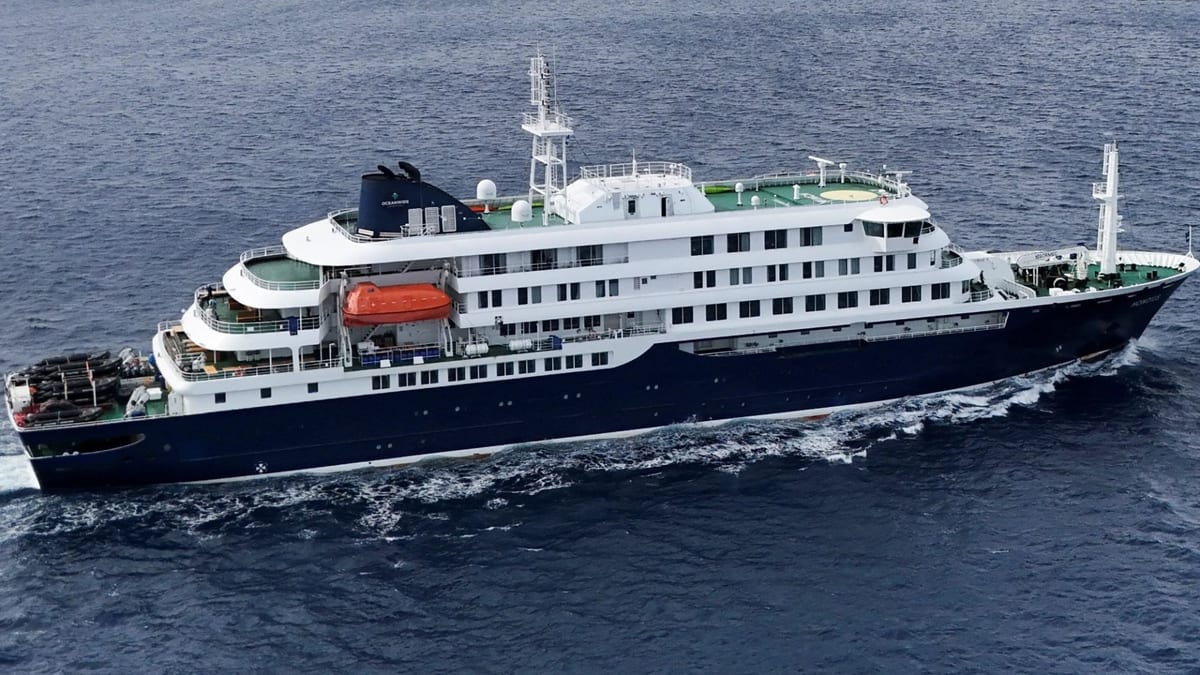
Published coverage of the MV Hondius outbreak indicates that Ireland joins a growing list of countries arranging dedicated flights or charter seats to bring their nationals off the vessel, which has been anchored off the Canary Islands after multiple hantavirus cases were detected on board. As other states finalise evacuation timetables for their citizens, reports suggest that the small number of Irish passengers still on the ship will be transferred to Ireland on a coordinated repatriation operation once Spanish authorities complete health checks in Tenerife.
Media outlets tracking the international response note that most countries are opting for tightly controlled medical transport, with passengers required to wear protective masks, undergo temperature screening and complete detailed locator forms before boarding. Irish returnees are expected to follow a similar pattern, with transport arranged in a way that limits contact with the general travelling public during the journey home.
While precise numbers of Irish citizens involved have not been formally detailed, earlier domestic coverage referenced at least two passengers notifying Irish consular services after the outbreak was confirmed. Publicly available information suggests that these individuals have remained on board under shipwide movement restrictions as health teams carry out daily symptom checks.
Quarantine in HSE facility on arrival
According to recent reporting, the repatriation plan for Irish citizens differs from some other countries by directing passengers straight into a managed Health Service Executive facility on arrival rather than advising home isolation. The approach mirrors earlier pandemic era arrangements in which travellers from high risk settings were transported directly from airports to designated accommodation under medical supervision.
HSE guidance published in recent years on the management of infectious disease risks outlines how such facilities are typically staffed by clinical and public health teams, with capacity for on site assessment, testing and rapid transfer to hospital if symptoms develop. These documents describe structured daily monitoring, controlled visitor policies and strict infection prevention measures designed to prevent onward spread while safeguarding the wellbeing of those in isolation.
Reports indicate that the period of quarantine for passengers exposed to hantavirus is expected to align with international advice on the virus’s incubation window, with individuals monitored over several weeks for any signs of fever, respiratory difficulties or sudden flu like illness. Testing protocols are being shaped by evolving guidance from global health agencies, which continue to review the most appropriate diagnostic tools in situations where people may be infected but have not yet developed symptoms.
International evacuations highlight varied national responses
The Irish plan is emerging alongside a patchwork of responses worldwide as governments move to bring their citizens home from the MV Hondius. Recent coverage in North American and European media describes government charter flights, military medical evacuations and hospital based quarantine for certain nationalities, reflecting differing public health strategies and available facilities.
In some countries, passengers are being placed in specialised biocontainment or national quarantine units affiliated with major university hospitals, while others are being asked to complete isolation at home under local health department supervision. Several European states have indicated that their returning nationals will first spend a short period in managed accommodation for testing and observation before transitioning to monitored home quarantine.
Reports from Spain and international maritime outlets suggest that Spanish health services and port authorities in the Canary Islands are coordinating a complex disembarkation process for the diverse group of passengers and crew on board. This operation includes triage for symptomatic individuals, arrangements for hospital transfers, and coordination with consular officials so that each group of nationals can be routed to their respective evacuation flights.
Understanding the hantavirus risk profile
The MV Hondius incident has drawn attention to hantavirus, a relatively rare infection more commonly associated with rodent exposure in rural or wilderness environments than with cruise travel. Public information materials from the World Health Organization and national health agencies describe hantavirus as a disease that can cause severe respiratory or kidney complications in a minority of cases, often after an initial period of non specific symptoms such as fever, muscle aches and fatigue.
Recent briefings from international health bodies regarding the cruise ship outbreak emphasise that, based on current evidence, the overall risk to the wider public remains low. Experts cited in published reports highlight that suspected person to person spread appears to have occurred only in close contact settings, such as shared cabins or prolonged proximity to an infected individual, rather than through casual community contact.
At the same time, officials in several countries have underscored the importance of careful contact tracing for those who may have travelled with, or sat near, symptomatic passengers on earlier flights linked to the ship. This has led to targeted follow up in multiple jurisdictions, with individuals advised to monitor their health closely and seek assessment if they experience sudden respiratory symptoms within the known incubation period.
Implications for Irish travel policy and cruise tourism
The decision to place returning Irish passengers from the MV Hondius in an HSE facility is likely to feed into a broader national discussion on how Ireland manages health risks associated with international travel. Previous government and HSE documents on quarantine and testing protocols for arrivals from high risk settings provide a framework that can be adapted for non respiratory viruses such as hantavirus, combining proportionate restrictions with clear communication to travellers.
Industry observers note that while cruise lines developed extensive infection control protocols in the wake of the Covid 19 pandemic, the MV Hondius episode illustrates how unexpected pathogens can still test those systems. Travel sector analysis suggests that operators serving European and Atlantic itineraries may face renewed scrutiny of onboard medical capacity, air handling systems and outbreak contingency plans.
For Irish travellers, current public health advice continues to prioritise careful attention to official travel notices, insurance coverage and the medical provisions offered on any long haul or expedition style cruise. Consumer commentators indicate that future demand for such voyages is likely to depend in part on how transparently companies address the lessons from the hantavirus outbreak and how effectively governments, including Ireland, demonstrate their ability to support citizens caught up in fast moving public health events overseas.