


More news on this day
Thousands of airline passengers across the United States faced major disruption as a fresh wave of delays and cancellations rippled through key hubs including New York, Chicago, Dallas, Atlanta, Seattle and popular seasonal airports such as Nantucket, with more than 2,400 flights reportedly delayed and dozens canceled in a single day.
Get the latest news straight to your inbox!
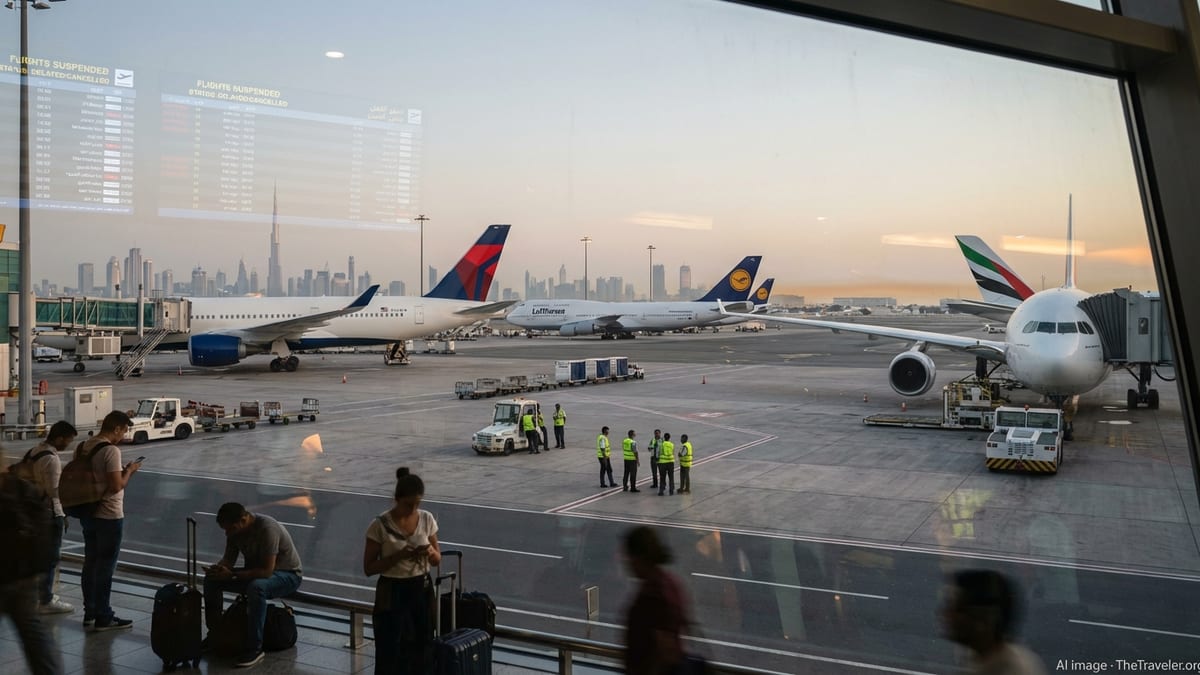
Disruptions Ripple Across Major US Airports
Publicly available tracking data and media coverage indicate that a combined total of 2,468 flights were delayed and at least 63 were canceled across the United States over the course of the latest disruption, affecting a broad mix of domestic and regional routes. Large network carriers, including Delta Air Lines, United Airlines, American Airlines and Southwest Airlines, were among those experiencing operational strain.
The impact was most visible at some of the country’s busiest hubs. New York area airports, Chicago O’Hare, Dallas Fort Worth, Atlanta Hartsfield Jackson and Seattle Tacoma all reported elevated levels of schedule irregularities, with knock-on effects for flights connecting through smaller markets. Seasonal destinations such as Nantucket saw particular pressure as limited daily services left passengers with fewer rebooking options.
While the precise mix of causes varied by airport and airline, the pattern followed a familiar trajectory for US air travel: once a critical mass of delays builds at major hubs, late-arriving aircraft and crew duty-time limits tend to push further disruptions into the evening, complicating recovery efforts and stranding travelers far from their intended destinations.
The disruption came against a backdrop of already stretched airline operations heading into the peak summer period, as carriers continue to balance high demand with aircraft and staffing constraints that have persisted since the pandemic era.
Delta, United, American and Southwest Under Pressure
According to real-time departure and arrival boards reviewed across major airports, Delta, United, American and Southwest all logged significant numbers of delayed flights during the latest wave of disruption. As the largest US carriers by market share, any operational wobble at these airlines tends to be magnified, both because of the sheer volume of flights and the number of passengers relying on tight connections.
Operational statistics published by the US Department of Transportation for recent months show that these airlines generally keep cancellation rates low, often around or below 1 percent of total operations. However, they also reveal a persistent share of late arrivals attributed to national aviation system factors, such as congestion in the air traffic control network, and to late-arriving aircraft that cascade delays throughout the day.
Industry analyses suggest that airlines have been operating close to their limits, with minimal slack in fleets and crew rosters. This leaves less room to absorb unexpected strains such as fast-changing weather patterns, localized staffing shortages or temporary ground stops at busy hubs, any of which can quickly translate into widespread delays similar to those observed during the latest incident.
Recent consumer-facing reports on US air travel disruption have highlighted that passengers flying through Atlanta, Chicago O’Hare, New York JFK and Seattle already face above-average risks of delay, given both heavy traffic volumes and the concentration of connecting itineraries. The latest figures on delays and cancellations are consistent with those broader trends.
Weather, Congestion and System Strain Drive Delays
Preliminary reviews of meteorological data and traffic advisories for the affected day point to a combination of adverse weather in several regions and congestion within the national airspace system as primary drivers of the disruption. Thunderstorms and low-visibility conditions have repeatedly caused issues at East Coast and Midwest hubs this year, leading to ground delay programs and holding patterns that slow the overall flow of traffic.
When storm cells sweep across key corridors, flights bound for New York, Chicago, Dallas and Atlanta often face route restrictions, extended taxi times and airborne holding, stretching out the timetable for arrivals and departures. Even when conditions improve, the backlog of aircraft awaiting takeoff or landing can persist for hours, leading to rolling delays for subsequent flights.
In addition to weather, industry observers point to structural challenges within the air traffic control system, including staffing shortfalls at certain facilities, as a continuing source of constraint. Whenever traffic management initiatives are implemented to maintain safety margins in constrained airspace, airlines may be required to reduce schedules in the short term, cancel select flights or accept longer flight times, all of which contribute to the kind of aggregate numbers seen in the latest disruption.
Airports with geographically constrained layouts, such as New York’s major fields and Boston Logan, can be especially vulnerable when winds or visibility conditions shift, limiting runway configurations and cutting the number of operations that can be handled each hour.
Knock-on Effects for Popular Leisure Destinations
Beyond the big hubs, the surge in delays and cancellations had outsized consequences for leisure-focused destinations with limited daily service. Nantucket Memorial Airport, a key summer entry point off the Massachusetts coast, relies heavily on a relatively small number of flights from cities such as New York and Boston. When those feeder flights run late or are canceled, passengers can face extended waits for the next available seat.
Similar dynamics can be seen at other seasonal and regional airports that connect through the major hubs now experiencing regular pressure. Travelers heading to coastal resorts, mountain gateways and smaller metropolitan areas can find themselves stranded at intermediate airports while airlines work through backlogs, often competing for the same limited number of remaining seats.
Travel data firms that track disruption patterns report that, for many passengers, the worst of the impact is felt not in a single delay but in missed connections that unravel carefully planned itineraries. A late inbound flight to New York or Chicago can cause a passenger to miss the last departure of the day to an island or regional destination, turning a delay into an unplanned overnight stay.
These ripple effects underscore how fragile the network can be when major hubs encounter operational headwinds, particularly during peak travel seasons when spare capacity on alternative flights is scarce.
What Travelers Can Do When Flights Disrupt
Travel experts and consumer advocates commonly recommend that passengers build additional time into itineraries when connecting through historically delay-prone hubs such as Atlanta, Chicago O’Hare, New York JFK and Seattle, especially in the late afternoon and evening when disruptions tend to accumulate. Choosing earlier departures, where possible, can reduce exposure to knock-on delays from earlier flights.
During widespread disruption events, travelers are often encouraged to monitor flight status closely via airline apps and airport information screens, and to act quickly if a cancellation appears likely. Same-day rebooking options can disappear rapidly when thousands of passengers are competing for open seats on a finite number of flights.
Passengers whose trips are significantly altered may have options for refunds or alternative transportation under airline policies and federal regulations. Consumer guidance from the US Department of Transportation outlines circumstances in which customers may be eligible for a refund when their flight is canceled or experiences a significant schedule change, and many airlines provide additional flexibility during severe operational disruptions.
With the latest wave of delays and cancellations highlighting ongoing strains in the US aviation system, travel planning for the coming peak season is likely to involve a renewed focus on flexibility, buffer time and awareness of the particular risks associated with busy hubs and seasonal routes.