


More news on this day
Japan’s tourism comeback has surged past pre-pandemic records, filling bullet trains and hotel lobbies from Tokyo to Hokkaido and turning 2025 into another landmark year for inbound travel. Yet much of this boom is concentrated in a handful of famous destinations, leaving many rural and regional areas comparatively untouched.
Get the latest news straight to your inbox!
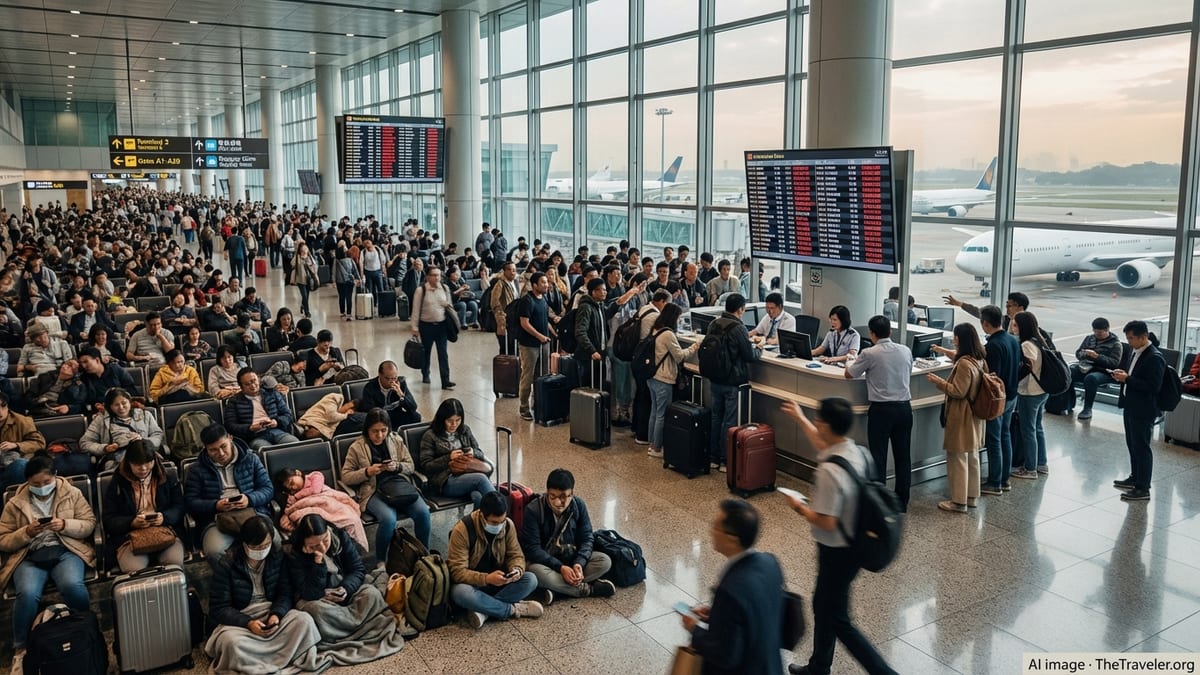
Record Arrivals, Concentrated Crowds
Publicly available data from Japan’s tourism authorities show that 2024 closed with about 36.9 million international visitors, a new all-time high that surpassed the previous pre-Covid peak. Early tallies for 2025 indicate that monthly arrivals remain near or above those record levels, supported by a weak yen that makes Japan relatively affordable for travelers using dollars and euros.
Despite nationwide marketing campaigns, this influx has not been evenly spread. Travel industry analyses indicate that a large share of first-time visitors still cluster in the classic Tokyo–Kyoto–Osaka corridor and in marquee resort zones such as Hokkaido’s Niseko area. Travel agencies and booking platforms report that itineraries built around these hubs continue to dominate package tours and independent planning alike.
Domestic tourism has also rebounded strongly, adding to the pressure on famous hot spots. Government white papers on tourism trends highlight that domestic trips have climbed back into the hundreds of millions per year, compounding congestion on peak weekends and holiday periods in already popular cities.
The result is a tourism map where a few regions operate near capacity during busy seasons, even as sizable parts of the country still have room for more visitors and are actively seeking them.
Kyoto’s Historic Charm Meets Daily Congestion
Kyoto has become one of the clearest examples of overtourism in Japan. Reports on the city’s transport network describe crowded buses and trains around major temples and shrines, with residents frequently struggling to find space on their usual commuter routes. Narrow streets in historic districts such as Gion are particularly susceptible to bottlenecks when large tour groups arrive simultaneously.
The city’s draw is well established. Kyoto offers a dense concentration of World Heritage sites, traditional townscapes and cultural experiences in a compact area, making it easy for visitors with limited time to tick off multiple “must see” spots in a single day. This convenience, amplified by social media exposure, has turned certain photo locations into near-permanent crowds.
Local and national policymakers have begun experimenting with tools to manage flows, including targeted infrastructure spending and campaigns encouraging visitors to travel during off-peak hours or explore less-trafficked neighborhoods. Public discussions have also emerged around reservation systems and differential pricing in especially crowded areas, reflecting a wider debate in Japan about how far to go in regulating visitor numbers.
For now, however, most travelers to Japan still place Kyoto high on their lists, and global coverage of “Kyoto must-do” experiences helps ensure that demand remains intense throughout much of the year.
Hokkaido’s Snow Resorts Struggle With Popularity
Hokkaido, particularly its western ski resorts, has seen a separate but equally sharp concentration of visitors. Tourism statistics and market reports for the Niseko and Kutchan area show strong growth in international arrivals in recent winter seasons, alongside rising investment in hotels, condominiums and infrastructure.
Travel coverage describes how heavy winter demand has begun to test the capacity of local roads, public services and seasonal staffing. Peak-season crowding can stretch from ski lifts to bus stops and restaurants, creating long waits and sparking concerns among residents about housing affordability and access to basic services as property values climb.
Industry briefings note that the visitor mix is shifting as well, with an expanding share of guests arriving from Australia, the United States and parts of Asia, all drawn by deep powder snow and international-standard amenities. This international spotlight has solidified Niseko’s status as a flagship destination, but it has also concentrated Hokkaido’s winter tourism in one primary cluster.
By contrast, many other parts of Hokkaido, from eastern wildlife areas to smaller rural onsen towns, continue to see far fewer foreign tourists, even though they offer substantial capacity and distinctive nature experiences.
Tokyo’s Magnetic Pull and the Power of Convenience
Tokyo anchors much of Japan’s tourism boom. Visitor data and airline schedules show that the vast majority of international arrivals still land at Tokyo’s major airports, framing the capital as both the starting and often the central focus of itineraries.
The city’s appeal is multifaceted: cutting-edge dining and shopping, pop culture districts such as Akihabara and Shibuya, and easy access to nearby attractions including Yokohama and the Mount Fuji area. Strong transport links and a dense collection of hotels make it straightforward for travelers to base themselves in Tokyo and take day trips, rather than dispersing to more distant regions.
Media coverage of travel trends also highlights the role of social media and streaming content in promoting specific Tokyo neighborhoods. Viral images of pedestrian scrambles, themed cafes and night views help steer repeat visitors back to familiar districts, reinforcing existing patterns rather than redirecting them elsewhere.
This gravitational pull means that even as Japan promotes regional travel, a large portion of the tourism economy remains tied to the capital and its immediate surroundings, with congestion at certain train stations and attractions now a near-permanent feature of peak seasons.
Hidden Regions and the Challenge of Shifting Demand
While the big hubs wrestle with crowding, numerous regions in Japan continue to seek more visitors. Government and industry strategies have highlighted lesser-known coastal towns, mountain valleys and island communities as “hidden gem” destinations with spare capacity and a strong interest in tourism-driven revitalization.
Observers note, however, that several structural factors make it difficult to rebalance demand. International flight connections are still concentrated in a few major gateways, and many regional airports have limited direct overseas links. Language barriers, fewer large hotels and more complex transport connections can also deter first-time visitors who may be nervous about navigating rural areas.
Travel market research indicates that package tours and online search behavior often default to well-known cities and resort areas, reinforcing existing patterns. Regional campaigns, while increasingly sophisticated, must compete with the global visibility of Tokyo, Kyoto and Niseko, which appear regularly in international rankings and trend lists.
Japan’s national tourism planners have set ambitious long-term targets for visitor numbers and spending, alongside commitments to address overtourism and support local communities. How effectively the country can steer a portion of its booming 2025 arrivals away from saturated hubs and toward under-visited prefectures will shape not only visitor experiences, but also the broader economic and social impact of this new era of tourism growth.