


More news on this day
Travelers using Westchester County Airport faced a cascade of disruptions as six flights operated by Tradewind Aviation and Cape Air were canceled, temporarily weakening air links between the suburban New York hub and destinations including Lebanon, Atlanta, North Carolina, Washington, D.C., and several regional leisure markets.
Get the latest news straight to your inbox!
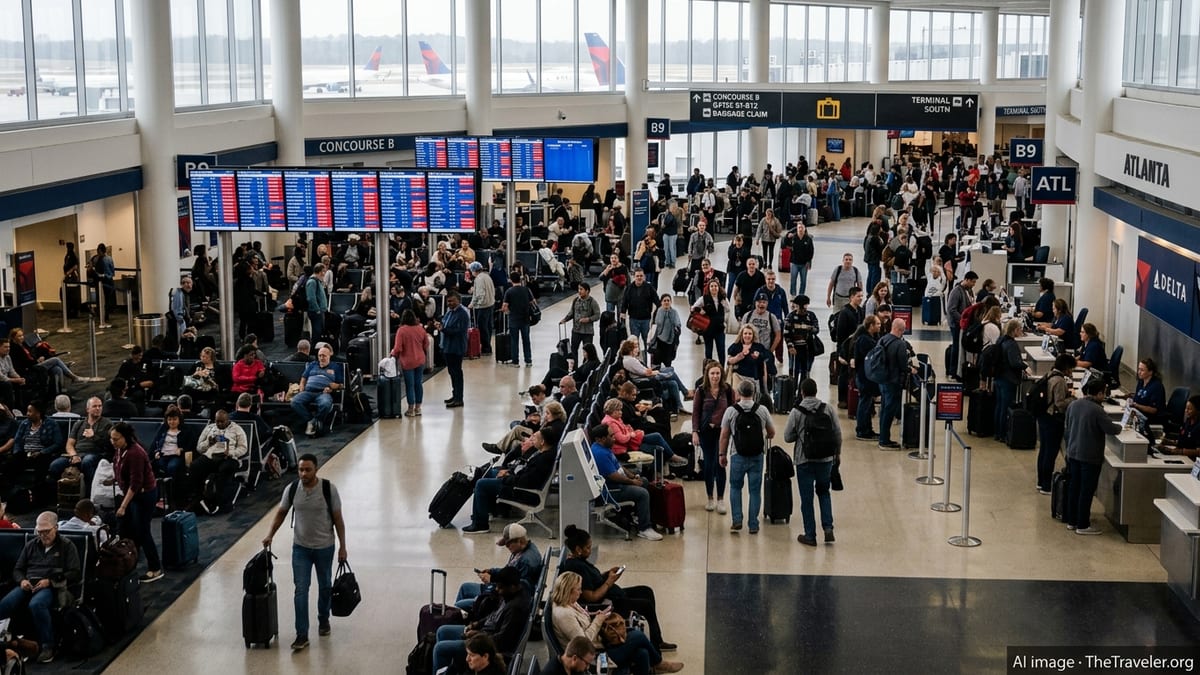
Cluster of Cancellations Hits a Key New York Suburban Hub
The latest round of flight cancellations underscores how even a comparatively small commercial airport like Westchester County can experience systemwide ripple effects. Publicly available schedules and tracking data show that a cluster of six regional flights operated by Tradewind Aviation and Cape Air was withdrawn, affecting itineraries that connected Westchester with communities across the Northeast and beyond.
Westchester County Airport, located near White Plains, has evolved into an important alternative to the larger New York City airports, with routes linking business and leisure hubs such as Atlanta, Charlotte in North Carolina, and Washington, D.C. According to airport statistics, these cities rank among the busiest destinations from Westchester, reflecting strong demand from both corporate and vacation travelers.
The canceled flights involved small regional aircraft that typically provide connective service rather than long-haul options. While large carriers at Westchester focus on high-volume routes, operators such as Tradewind and Cape Air specialize in short-haul links that feed passengers into larger networks or move them directly between secondary markets.
Reports indicate that the cancellations left some passengers facing lengthy rebooking times due to limited seat availability on comparable routes. With regional flights often scheduled only a few times per day, a single cancellation can translate into missed connections and overnight delays.
Regional and Essential Routes Disrupted
Cape Air’s network at Westchester has long emphasized short-haul connectivity within the Northeast, with links to Lebanon, New Hampshire, as well as seasonal service to vacation destinations such as Martha’s Vineyard, Hyannis, and Provincetown. Public route information shows that Lebanon in particular is served under the federal Essential Air Service framework, making the connection to larger markets especially important for that community.
The cancellations affecting Lebanon services underscore the vulnerability of smaller cities that rely on a limited number of daily flights. When one or more of those flights is removed from the schedule, residents and visitors alike can find their options sharply curtailed, especially if surface transportation alternatives are time consuming or weather dependent.
Beyond the Northeast, the disruption at Westchester resonated through larger hubs in the Southeast and Mid-Atlantic. Atlanta, Charlotte in North Carolina, and Washington, D.C. are prominent destinations in Westchester’s traffic patterns, served primarily by larger carriers but also supported by regional operators that connect niche origin points into those hubs. When small feeder flights are canceled, passengers bound for these major cities can lose their onward connections, creating knock-on delays even when the long-haul legs remain on schedule.
For business travelers, particularly those commuting between corporate centers in the New York suburbs and southern or Mid-Atlantic cities, the cancellations introduced an additional layer of uncertainty. Missed morning departures can eliminate the practicality of same-day round trips, forcing overnight stays or remote alternatives.
Tradewind and Cape Air’s Role at Westchester
Tradewind Aviation and Cape Air occupy a distinctive niche at Westchester, combining scheduled service with a charter-style product that caters to travelers seeking to avoid the congestion of larger hubs. Tradewind operates from bases that include Westchester County Airport, using a fleet of Pilatus PC-12 turboprops on high-end shuttle and charter routes in the Northeast and Caribbean. Its presence at Westchester has historically focused on links to leisure destinations such as Nantucket and other coastal communities.
Cape Air, headquartered in Massachusetts, operates light aircraft on short-haul routes throughout the Northeast. Route maps show the carrier using Westchester as a gateway to small and seasonal markets, including Lebanon, Martha’s Vineyard, Hyannis, and Provincetown. This pattern reflects a business model built on connecting smaller communities to larger metropolitan regions without passing through major hubs like JFK or LaGuardia.
The six cancellations attributed to these operators therefore affected a mix of passenger types, from vacationers targeting island destinations to residents of smaller New England towns traveling for medical appointments, education, or business. With aircraft that typically seat fewer passengers than jets used by major airlines, each canceled rotation may involve a relatively small number of people, but those travelers often have fewer backup options.
Publicly available booking trends indicate that travelers choosing Tradewind or Cape Air often do so because of schedule convenience and the ability to avoid busier terminals. As a result, disruptions on these niche services can feel particularly acute, since many passengers may not hold alternative tickets on larger airlines from neighboring airports.
Knock-On Effects for Passengers and Itineraries
The immediate impact of the cancellations included missed connections at downline hubs and significant changes to travel plans. Travelers bound for Atlanta, Charlotte, or Washington, D.C. from smaller cities such as Lebanon or coastal New England communities frequently rely on a sequence of flights: a short regional hop into Westchester, followed by a connection on a larger carrier to a major hub.
When the first leg in that chain is removed, passengers can lose access to entire itineraries. Rebooking is often complicated by capacity constraints on remaining flights and the need to reconfigure ground transportation or accommodation. This dynamic can be especially challenging during peak travel days or when weather and air traffic conditions already limit flexibility.
Consumer guidance published by travel and aviation outlets notes that in such circumstances, travelers may be eligible for refunds or alternative arrangements, depending on the ticket type and the policies of the operating carrier. However, regional airlines typically operate with thinner margins and smaller fleets, which can reduce their ability to offer immediate same-day alternatives when irregular operations arise.
The situation at Westchester illustrates how disruptions at secondary airports can cascade through seemingly unrelated markets. A cancellation on a short hop to Lebanon or a coastal destination can ultimately translate into missed business meetings in Washington, family events in North Carolina, or leisure plans in the Atlanta area.
What Travelers Can Do When Regional Flights Are Canceled
Industry advisories suggest several strategies for passengers navigating this type of disruption at regional airports like Westchester. Monitoring flight status closely before leaving for the airport remains critical, particularly for early morning or late evening departures when schedule changes are more common and alternative flights are limited.
Travel publications also recommend building additional connection time into itineraries that rely on small regional aircraft, especially when onward travel involves key hubs such as Atlanta, Charlotte, or Washington, D.C. Longer layovers can provide a buffer when initial segments are delayed or rescheduled, reducing the risk of missed long-haul connections.
Some frequent travelers who use Westchester and similar airports maintain backup plans that include flexible train reservations or the option to reposition to a larger airport in the region if necessary. While this approach can increase up-front planning, it can also shorten recovery time when multiple cancellations, like the six involving Tradewind and Cape Air, occur in a short window.
For communities such as Lebanon and coastal New England destinations, the recent disruptions serve as a reminder of the essential role played by small carriers linking remote areas to larger economic centers. As travelers weigh convenience against resilience, the experience at Westchester County Airport highlights both the benefits and the vulnerabilities of relying on specialized regional air services.