


San Francisco has long been one of America’s most iconic city breaks, a compact peninsula of steep hills, painted Victorians, and Pacific fog framed by the Golden Gate Bridge. In recent years, though, headlines about high prices, homelessness, and safety have left many travelers asking a fair question: is San Francisco still worth visiting? The answer is yes for many visitors, but it depends on what you value, what you expect, and how you plan. This guide looks honestly at the city’s strengths and trade offs in 2026 so you can decide if San Francisco fits your next trip.
Get the latest updates straight to your inbox!
The State of San Francisco Tourism in 2026
San Francisco is not an abandoned tech city. Visitor numbers have rebounded strongly since the pandemic, and tourism is once again a major part of the local economy. City and tourism officials report that visitors brought in well over nine billion dollars in spending in 2025 and that growth is continuing into 2026. That translates in practical terms to busy hotels around Union Square on weekends, long lines for the cable cars near Powell Street, and crowded viewpoints at the Golden Gate Bridge on clear afternoons.
At the same time, San Francisco is not back to its late 2010s peak. Some big downtown offices remain only partially occupied and a number of storefronts around Market Street and parts of the Financial District are still empty. For travelers, this mixed picture can actually be a positive: demand is high enough that attractions, restaurants, and cultural venues feel lively, but you may find better hotel offers and slightly less crowding than in the past in some neighborhoods, especially midweek.
It is also important to understand that public discussion around San Francisco is polarized. Local news and national outlets frequently focus on visible homelessness, drug use in parts of downtown, and debates over crime and safety. These issues are real and visible in certain areas such as parts of the Tenderloin and Civic Center. They may surprise first time visitors who expect a picture perfect postcard city at every corner. Yet those same days, thousands of visitors are walking through North Beach, biking along Crissy Field, and tasting dumplings in the Richmond District without incident. The reality is not either disaster or paradise but a densely layered city that rewards some situational awareness and smart planning.
If you are deciding whether to visit, start by asking what you want out of a trip. If your dream is scenic coastline, world class food, cultural variety, and access to wine country or redwood forests, San Francisco still delivers. If your priority is a budget beach holiday, expansive theme parks, or a spotless cityscape, you may find better fits elsewhere in California.
Why San Francisco Is Still Worth Visiting
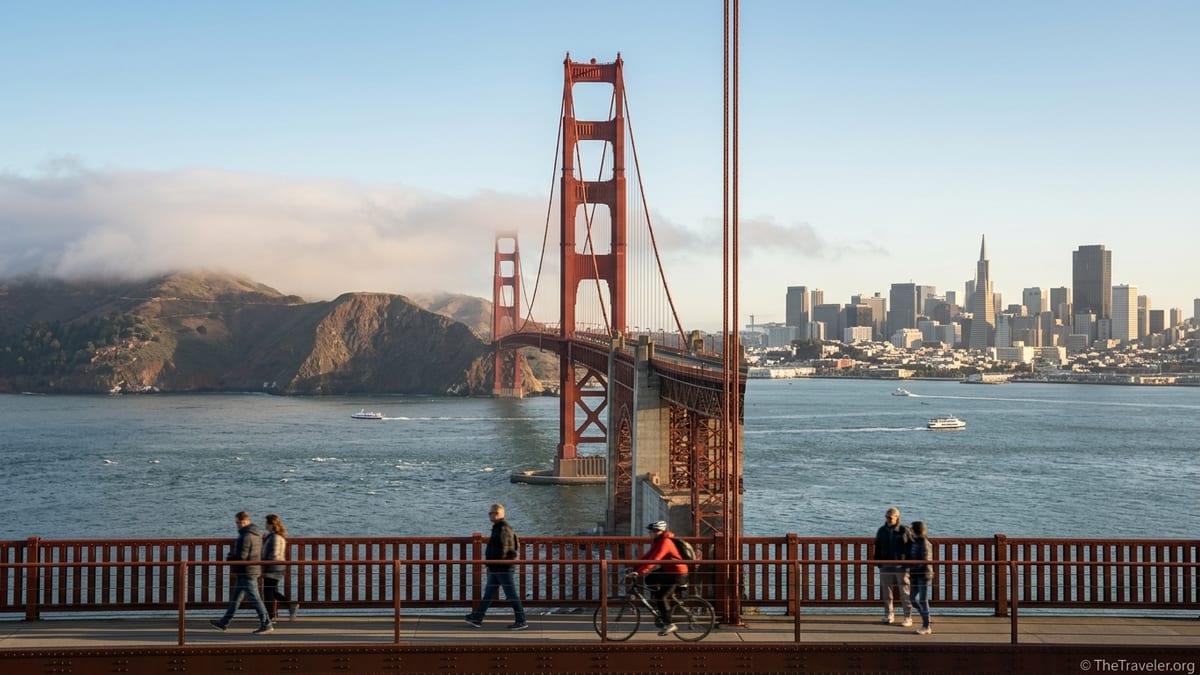
The single strongest argument in favor of visiting San Francisco is its setting. Few cities in the world combine steep, walkable urban streets with immediate access to wild water, islands, and national park land. In one weekend you can walk across the Golden Gate Bridge, take a ferry to Alcatraz Island, stroll through the eucalyptus groves around the Presidio, and watch the Pacific crash against the cliffs at Lands End. On clear days the late afternoon light on the bridge and the Marin Headlands feels almost unreal, and even frequent visitors still stop to take photos from overlooks near Battery Spencer or Crissy Field.
The city’s neighborhoods offer a compressed tour of many cultures. You can start a morning with espresso and focaccia in North Beach, walk twenty minutes to get dim sum in Chinatown, and finish the day with mezcal and tacos in the Mission. Real examples travelers often mention include grabbing a porchetta sandwich at a small Italian deli on Stockton Street, then heading to a classic banquet style dim sum hall on Grant Avenue, followed by Mexican ice cream on 24th Street. These are not curated theme park experiences. They are working neighborhoods where long time residents and visitors line up together.
San Francisco’s cultural and tech history is also still on display. Fans of music and counterculture can wander Haight Ashbury, where vintage clothing shops and record stores sit in former hippie haunts. Tech minded visitors might book a tour down the Peninsula to see the headquarters of major companies, but even within the city you will see the impact of the industry in co working spaces around SoMa and sleek cafes filled with laptop workers. If you enjoy museums, anchor stops like SFMOMA, the Asian Art Museum, and the California Academy of Sciences in Golden Gate Park provide full days of exhibits, from contemporary installations to a living rainforest dome.
What makes San Francisco particularly appealing for many travelers in 2026 is the ability to pair urban time with nearby nature in short hops. A morning could mean walking to the top of Twin Peaks for a panoramic city view, while the afternoon might be a quick rideshare across the bridge to hike in the Marin Headlands. With a rental car or an organized tour, you can be among Sonoma County vineyards or in the shadow of giant coastal redwoods at Muir Woods in under ninety minutes from most central hotels, making San Francisco an efficient base for wider Northern California exploring.
The Trade Offs: Cost, Weather, and Safety
Even committed fans of San Francisco acknowledge it is one of the more expensive city destinations in the United States. Typical midrange hotel rooms in central areas such as Union Square, Fisherman’s Wharf, or the Embarcadero often fall in the range of roughly 180 to 300 US dollars per night before taxes on a normal weekend, with prices climbing during large conventions or summer peak dates. Boutique or waterfront properties can easily reach 350 to 500 dollars or more. Travelers who are flexible on exact location and willing to stay in neighborhoods slightly away from the most tourist heavy zones, such as Japantown or parts of the Marina, sometimes find better value.
Daily costs add up quickly as well. A sit down brunch with coffee in a fashionable neighborhood café might come to 25 to 35 dollars per person once you factor in tax and tip. A basic casual dinner of tacos, ramen, or pizza by the slice can still reach 15 to 25 dollars per person with a drink. Travelers should also be aware that many restaurants and bars add surcharges labeled as health care or San Francisco mandates, usually a few percent of the bill, to help cover employee benefits. These are normal in the local context and worth factoring into your budget.
The weather is another factor that surprises visitors. San Francisco’s climate is mild by American standards, with daytime temperatures often hovering around the low to mid sixties Fahrenheit for much of the year. Summer is cool compared with inland California, which can be a relief for some travelers. However the famous fog, especially in June, July, and August, can make waterfront areas chilly and damp. Travelers expecting hot, sunny beach days can be disappointed when they arrive at Ocean Beach in July and find gray skies and wind that calls for a jacket and hat. For clear, warmer conditions, late September and October are often some of the city’s most pleasant months.
On safety, the picture is nuanced. Street level problems such as visible homelessness, untreated mental health issues, and open air drug use exist in parts of the city and can feel unsettling. Certain areas near the Civic Center and in parts of the Tenderloin see more of these issues, and many locals advise visitors to avoid walking there late at night unless they know the area well. At the same time, violent crime against tourists in the main sightseeing districts is relatively uncommon compared with many large US cities. Pickpocketing and, more significantly, theft from parked cars remain the bigger risks. Rental cars parked with luggage visible near popular viewpoints like Twin Peaks or the Palace of Fine Arts are frequent targets. The practical takeaway is to stay aware of your surroundings, avoid leaving anything in a parked car, and choose central, active streets when walking back to your hotel after dark.
What First Time Visitors Should Prioritize
If you decide San Francisco belongs on your itinerary, planning a realistic first visit will make a big difference to how much you enjoy it. For a trip of three to four days, most travelers will want to prioritize a blend of classic sights, a few neighborhoods, and some time outdoors. Booking a morning or late afternoon visit to Alcatraz Island on at least one day is usually worthwhile. The standard day tours include the ferry from Pier 33, an audio tour of the cell blocks, and time to explore the former prison grounds. Tickets often sell out several days or even weeks in advance during summer and holiday peaks, so waiting until you arrive to buy tickets can mean missing out.
A walk or bike ride across the Golden Gate Bridge is another essential experience. You can reach the bridge by rideshare, taxi, hop on hop off sightseeing bus, or by taking a city bus to near the visitor area on the San Francisco side. Many visitors choose to rent bikes from shops near Fisherman’s Wharf, ride across the bridge to the town of Sausalito, have lunch on the waterfront there, and then return by ferry. This turns a simple sightseeing stop into a half day mini adventure that combines exercise, views, and a taste of a smaller Bay Area community.
Within the city, focus on two or three neighborhoods that fit your interests rather than trying to cover everything. A common pattern for first timers is to spend one evening in North Beach and Chinatown, perhaps starting with a cappuccino or gelato along Columbus Avenue, then walking through the lantern lit streets of Chinatown and browsing produce and tea shops. Another evening might center on the Mission District, where you can see colorful murals along Clarion Alley or Balmy Alley before dinner at a popular taqueria or modern California restaurant. On a sunny afternoon, the grassy slopes of Dolores Park fill with locals picnicking and playing with dogs, and the skyline view from the top of the park gives a satisfying sense of place.
Allow time in Golden Gate Park or the Presidio, both large green spaces that can anchor a half or full day. Golden Gate Park holds the de Young Museum, the California Academy of Sciences, the Japanese Tea Garden, and a network of car free roads on weekends that attract cyclists and skaters. The Presidio, a former military base turned national park site, offers wooded trails, scenic overlooks, and recently developed cultural sites as well as family friendly attractions. Combining one of these parks with nearby beaches like Baker Beach or Crissy Field makes for a relaxed, lower cost day if you bring your own picnic or grab takeaway from a neighborhood market.
Practicalities: Getting Around and What Things Cost
San Francisco is compact enough that you can see a lot without renting a car. The city’s Muni system of buses, light rail, historic streetcars, and cable cars connects most major visitor areas. As of mid 2026, standard single rides on Muni using a reloadable transit card or official app are typically in the range of a few dollars, with slightly higher prices if you pay cash on board. There are day oriented products aimed at visitors as well, such as one, three, or seven day passes that provide unlimited rides on Muni vehicles including the famous cable cars, which otherwise charge a much higher per ride fare. These passes are particularly good value if you plan to ride the cable cars multiple times in a day, since a single cable car ride can cost around nine dollars.
The wider Bay Area rail system, BART, links San Francisco with Oakland, Berkeley, and the main regional airport. Most visitors arriving by air at San Francisco International Airport use BART or a shared shuttle or rideshare into the city. The regional Clipper card, which works like a stored value transit card, can now be used on almost all Bay Area agencies. Recent upgrades also allow many riders to tap a contactless credit or debit card directly on BART and on some bus and rail services, so short term visitors often do not need to navigate complex fare menus if they prefer not to.
Rideshare services like Uber and Lyft remain plentiful and are often the simplest choice late at night or when traveling in a group of three or four, especially for trips across town or up steep hills where multiple bus transfers would be required. A typical ten to fifteen minute ride within central neighborhoods can run anywhere from around ten to twenty five dollars depending on traffic, time of day, and demand peaks. For budget conscious travelers, a common pattern is to rely on public transit during the day and reserve rideshare or taxis for nights out or when returning from areas less well served by frequent buses and trains.
Other routine costs are in line with major coastal US cities. A specialty coffee from a respected local roaster in neighborhoods like the Mission or Hayes Valley usually runs five to seven dollars. Admission to major museums hovers in the twenty to thirty five dollar range for adults, though some institutions offer free days monthly or discounts for students and seniors. Guided group walking tours of areas such as Chinatown, North Beach, or the Castro often cost between thirty and sixty dollars per person depending on length and group size, while private tours and custom itineraries cost more. Knowing these ballpark figures helps travelers set a daily budget that reflects reality and reduces sticker shock on arrival.
Choosing Where to Stay
Where you base yourself in San Francisco has a major impact on how you experience the city. Union Square has traditionally been the central hotel district, with a dense cluster of midrange chains and older grand hotels near major shopping streets and transit lines. Staying here usually means easy access to the Powell Street cable car line and BART, which is convenient for airport transfers. However some blocks south and west of Union Square edge toward the Tenderloin, where street conditions can feel more challenging, especially after dark. Many visitors who choose this area find it helpful to stick to well lit routes such as Powell, Stockton, or Grant when returning to their hotels at night.
Fisherman’s Wharf is another popular base, especially for families. Hotels here often cost a bit more than comparable options near Union Square, but you trade that premium for bay views, easy access to Pier 39, Alcatraz ferry departures, and a more resort like feel. The neighborhood is busy and very tourist oriented, with chain restaurants, souvenir shops, and street performers. If you want a quieter, more local experience, you may prefer neighborhoods like the Marina, Cow Hollow, or Pacific Heights, where small inns and boutique hotels sit among residential streets of Victorian and Edwardian houses. From there, frequent buses and a reasonable taxi fare can still bring you to the main attractions.
Travelers interested in nightlife, cafes, and independent shops often gravitate toward the Mission, Hayes Valley, or the Castro. These areas have fewer big hotels but a growing number of small design driven properties and short term rentals. They offer a more immersive sense of everyday city life but may involve more transfers or slightly longer transit times to reach the bayfront and North Beach. When price is the primary constraint, some visitors look to stay just outside the city, in areas like Oakland or Daly City, and commute in on BART. This can save money but adds complexity, so it works best for those already comfortable with urban transit.
When comparing options, look beyond headline nightly rates to total cost. In San Francisco, hotel taxes are significant and can add more than fifteen percent to your bill. Some properties also charge nightly destination or resort fees that cover amenities such as Wi Fi or gym access. Reading recent guest reviews is especially important in 2026, as some hotels have renovated recently while others are operating with reduced services compared with pre pandemic norms. A slightly higher nightly rate at a hotel with strong recent reviews, a convenient location, and no surprise fees can represent better value than a cheaper room in a difficult spot.
The Takeaway
So is San Francisco worth visiting in 2026. For many travelers, the answer is still yes, provided you arrive with open eyes and realistic expectations. The city remains one of the most strikingly located urban destinations in North America, with world famous landmarks, strong food and cultural scenes, and quick access to national park landscapes and wine country. A first time visitor who spends a few days walking the waterfront, crossing the Golden Gate Bridge, exploring neighborhoods like Chinatown and the Mission, and perhaps making a side trip to Sausalito or Muir Woods will likely leave with vivid memories and a desire to return.
At the same time, San Francisco demands some flexibility and tolerance from visitors. High prices, complicated streetscapes, and visible social challenges are part of the environment. Those looking for a flawlessly polished resort style experience may be happier in destinations designed around that model. Yet travelers who value authenticity, diverse cultures, and the interplay between city life and coastal nature often find that San Francisco remains compelling in a way that more controlled destinations are not.
If you decide to go, take the time to plan your neighborhoods, pre book key experiences like Alcatraz, budget realistically, and stay aware of your surroundings as you would in any big city. Do that, and you are likely to discover that beneath the sensational headlines, San Francisco still offers the layered, sometimes messy, but deeply memorable experience that has drawn travelers to the city for generations.
FAQ
Q1. Is San Francisco safe for tourists right now.
San Francisco is generally safe in the main tourist areas, but some districts have more visible homelessness and drug use. Use normal big city precautions, avoid leaving valuables in cars, and stay on well lit streets at night.
Q2. How many days do I need in San Francisco for a first visit.
Most first time visitors find that three to four full days is enough to see the key sights like the Golden Gate Bridge, Alcatraz, and a couple of neighborhoods without feeling rushed.
Q3. What is the best time of year to visit San Francisco.
Late September and October often bring the clearest skies and most comfortable temperatures. Summer can be foggy and cool near the water, while winter is mild but wetter.
Q4. Do I need a car in San Francisco.
You do not need a car to see most city sights. Public transit, walking, and rideshare usually work well. Consider renting a car only for day trips to places like Napa, Sonoma, or Point Reyes.
Q5. Is San Francisco really as expensive as people say.
San Francisco is one of the pricier US cities for hotels, dining, and parking. With careful planning, using transit, and mixing paid attractions with free parks and viewpoints, you can manage costs.
Q6. Which neighborhoods should tourists avoid.
Most neighborhoods are fine with normal awareness, but some blocks in the Tenderloin and around parts of Civic Center can feel uncomfortable, especially at night. Ask your hotel which routes they recommend.
Q7. Can I walk across the Golden Gate Bridge and is it worth it.
Yes, pedestrians can walk on designated sidewalks during posted hours, and many visitors consider it a highlight. It can be windy and chilly, so bring a jacket even on sunny days.
Q8. Should I stay in Union Square or Fisherman’s Wharf.
Union Square offers central transit connections and usually better prices, but some nearby blocks are gritty. Fisherman’s Wharf is more expensive and touristy but puts you right by the bay and main piers.
Q9. How far in advance should I book Alcatraz tickets.
In busy seasons, it is wise to book Alcatraz tickets at least a week or two in advance. For holiday periods and weekends in summer and fall, booking even earlier helps secure the time slot you want.
Q10. Is San Francisco a good base for visiting wine country.
Yes, San Francisco works well as a base for day trips to Napa or Sonoma. Organized tours and private drivers are common options if you prefer not to drive after wine tastings.