


More news on this day
As Israel cautiously reopens to international visitors amid an unsettled security climate, Filipino travelers are once again weighing the promise of historical, spiritual, and cultural experiences against a more regulated, risk-aware tourism landscape.
Get the latest news straight to your inbox!
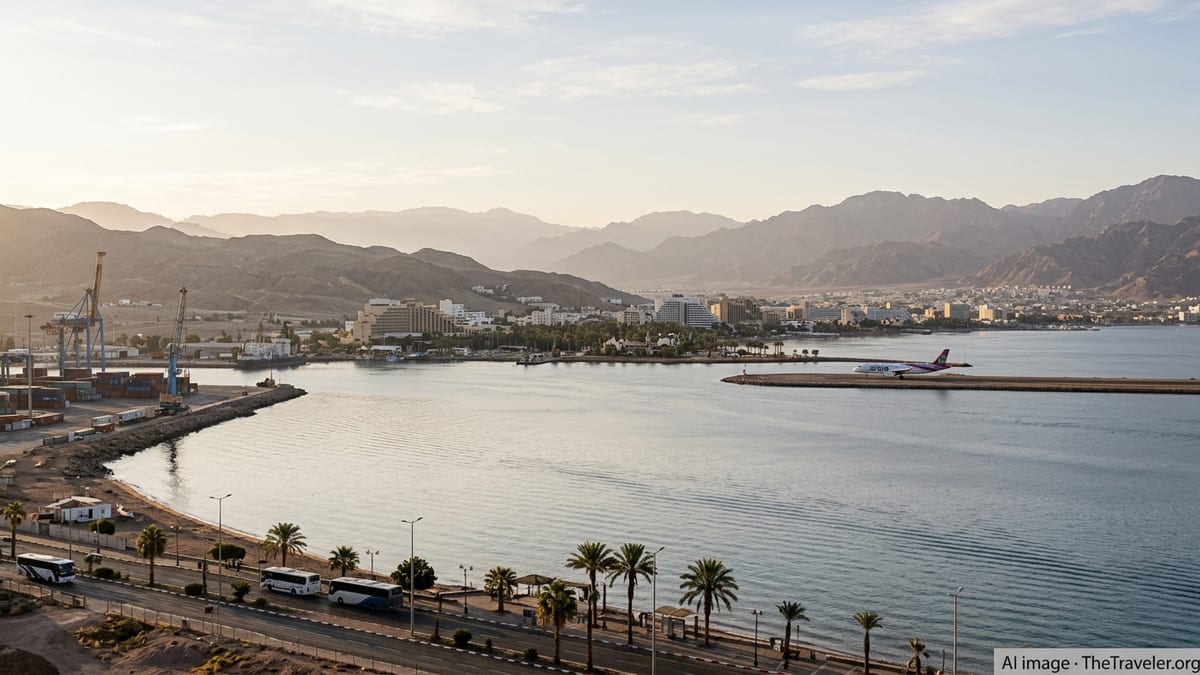
A Cautious Reopening Amid Regional Conflict
Israel’s tourism revival is unfolding against the backdrop of overlapping conflicts, including recent hostilities with Iran and the lingering impact of the war in Gaza. Publicly available travel advisories describe a patchwork of security conditions, with certain border areas under strict warnings and central tourist hubs operating under heightened alert. The result is a tourism environment that is neither fully closed nor comfortably normal, but instead characterized by selective access and extensive risk management.
International coverage highlights that parts of the country, particularly near Gaza and the northern borders, remain subject to strong cautions or outright “do not travel” advisories from several governments. At the same time, reports indicate that core visitor corridors such as Tel Aviv, Jerusalem, the Dead Sea region, and the Galilee have continued to receive foreign nationals, albeit in lower numbers and under tightened procedures. For many destinations, the question is not whether visitors are allowed, but how many can come, where they can move, and under what conditions.
Air connectivity reflects this fragile balance. Ben Gurion Airport outside Tel Aviv remains operational, but has seen intermittent capacity reductions and security-related disruptions after missile incidents and periods of intensified regional tension. Industry analyses suggest that arrivals across the wider Middle East may fall markedly in 2026, with Israel among the most affected markets, yet the continued flow of flights and passengers underlines a determination to keep vital tourism channels open, even at reduced scale.
Within this constrained context, tourism authorities are positioning the current phase as a controlled reopening rather than a full relaunch. Public statements and sector data point to an emphasis on essential travel, organized groups, and visitors who are fully briefed on security guidelines, with the expectation that leisure tourism from key markets will rebuild gradually as conditions stabilize.
New Entry Rules and Security Protocols for Visitors
For Filipino travelers, Israel’s return to the tourism map comes with new layers of formalities. Public information from Israeli government portals shows that visa exempt visitors are being moved onto an electronic travel authorization system, introduced in 2025, which requires pre clearance before boarding a flight. Travelers are also reminded that their passports must remain valid for several months beyond their intended stay, adding another compliance checkpoint to pre departure planning.
Security protocols on the ground have also become more visible. Travel advisories and independent travel guides describe a landscape in which routine bag checks, identity verification, and the presence of security personnel are common in airports, transport hubs, malls, and major religious sites. Rocket alert systems and shelter procedures are an additional feature that most tourists will not encounter elsewhere, and guidance materials stress the importance of understanding these systems before arrival.
Governments that send visitors to Israel, including those in Europe and North America, continue to advise increased vigilance in crowded public places, transport nodes, and areas that draw foreign visitors. International organizations that monitor risk consistently flag the potential for sudden changes in the security situation, leading to flight cancellations, road closures, or restrictions on movement. Travelers from the Philippines are encouraged to monitor advisories issued both by Manila and by their airlines, as routing through third country hubs in the Middle East can also be affected by wider regional tensions.
Despite these challenges, the persistence of open air corridors, functioning hotels, and scheduled tours in central Israel indicates an ongoing effort to keep tourism infrastructure online. Industry observers note that hospitality operators have adapted by refining crisis response plans, strengthening communication with guests, and prioritizing flexible booking policies that can respond quickly to abrupt shifts in risk levels.
Historical and Spiritual Sites Regain International Attention
Even under current constraints, Israel’s core draw for many Filipino travelers remains unchanged: access to sites of biblical history, pilgrimage, and shared heritage. Jerusalem’s Old City, Bethlehem in the nearby West Bank, the Sea of Galilee region, Nazareth, and the Jordan River continue to feature prominently in tour itineraries marketed to the Philippine outbound market. Reports from regional tourism analysts suggest that organized pilgrimage and faith based tours are often among the first segments to resume when conditions allow, reflecting strong pent up demand and deep religious ties.
Publicly available information on the ground describes many of these sites operating with adjusted schedules, capacity limits, or modified security procedures, rather than closing entirely. Visitors may experience more visible crowd control around key shrines, shorter visiting windows, or a stronger emphasis on pre booked groups. Nonetheless, photographs, videos, and traveler accounts posted in recent months depict small but steady streams of pilgrims returning to churches, archaeological sites, and historic neighborhoods.
For Filipino visitors, these destinations offer layered experiences that combine religious devotion with cultural discovery. Guided walks through stone lined streets in Jerusalem, visits to Galilee landscapes associated with gospel narratives, and time in mixed Jewish, Muslim, and Christian quarters introduce travelers to the region’s diverse communities and contemporary realities. Many tour organizers from the Philippines continue to build itineraries around these highlights, while advising clients to remain flexible and prepared for last minute route changes.
Analysts of religious tourism note that the current phase of reopening may also reshape how trips are structured. Smaller group sizes, preference for operators with strong local safety networks, and demand for clearer pre trip briefings are emerging trends. These adjustments aim to preserve access to treasured sites while aligning with a new baseline of risk awareness among international pilgrims.
Controlled Mobility and Shifting Regional Routes
Israel’s partial reopening to tourists is intertwined with broader movements across the region’s borders and crossings. International reporting on the Rafah crossing between Gaza and Egypt, for example, describes a pattern of extended closures followed by limited, security screened reopenings, primarily for specific categories of travelers such as medical cases or those returning home. While these developments have little direct impact on most leisure visitors, they underline the volatility of access points around the country and the humanitarian pressures that coexist with tourism corridors.
Within Israel itself, tourists face occasional roadblocks, checkpoints, and rerouted transport, particularly when tensions spike near the West Bank or along the northern frontier. Travel advice from multiple governments stresses the importance of following local instructions, registering with consular services when available, and avoiding areas that are flagged as high risk. Organized tours tend to adjust itineraries dynamically, sometimes shifting overnight stays to quieter areas or replacing outdoor activities with indoor visits when alerts increase.
Air routes into the country are also subject to rapid change. In recent months, reports have documented periods when Ben Gurion Airport operated at a fraction of its usual capacity, with outbound flight numbers restricted due to security assessments. Carriers have responded by trimming schedules, revising stopover patterns, or temporarily rerouting traffic through alternative hubs. Filipino travelers, who often reach Israel via connecting flights in the Gulf or Europe, are therefore encouraged to build in longer connection times and consider flexible tickets.
These layers of control shape not only the practical experience of travel but also perceptions of safety. Tourism economists suggest that fluctuating air capacity, coupled with conflict related headlines, will likely depress regional arrivals well into 2026. At the same time, the gradual resumption of flights and tours is seen by some analysts as a sign that authorities and industry players believe they can manage the risks to a level acceptable for informed travelers.
Guidance for Filipino Travelers Planning a Visit
For the growing number of Filipinos contemplating a visit to Israel, planning now involves balancing aspiration with caution. Publicly available figures from the Israeli mission in Manila previously pointed to steady Filipino arrivals for tourism, and local media coverage in the Philippines continues to highlight strong interest in pilgrimage trips despite the conflict. Travel agencies that specialize in Holy Land tours are promoting departures while emphasizing that schedules, routes, and inclusions remain subject to change based on evolving advisories.
Philippine outbound travelers are urged by official channels to review current guidance from the Department of Foreign Affairs and related agencies before purchasing tickets. This includes checking any special registration requirements, understanding what consular assistance is available in Israel, and confirming that travel insurance policies explicitly cover conflict related disruptions and medical care. Many advisories recommend that travelers keep digital copies of passports, tickets, and emergency contact information, and maintain regular communication with family at home.
On the ground, experts in travel risk management advise choosing accommodations in central, well connected neighborhoods, using reputable transport providers, and joining tours that maintain close contact with local partners. Tour leaders familiar with regional dynamics are often better placed to adapt quickly if conditions deteriorate or if certain districts are temporarily restricted. Filipino visitors are also encouraged to learn basic emergency phrases, familiarize themselves with local alert applications when available, and heed hotel and guide briefings on shelter locations and procedures.
Against this more demanding backdrop, the appeal of Israel’s historical, spiritual, and cultural wealth remains a powerful motivator for many in the Philippines. The current reopening phase suggests that access is possible, but only for travelers prepared to navigate a controlled environment shaped by security considerations. For those who accept these conditions, the return of flights, tours, and carefully managed itineraries offers a path back to experiences that have long resonated deeply with Filipino pilgrims and cultural travelers alike.