


More news on this day
Passengers travelling through London Gatwick on Tuesday, June 9 are facing a day of mostly modest disruption, with scattered delays and a small number of cancellations affecting both departures and arrivals.
Get the latest news straight to your inbox!
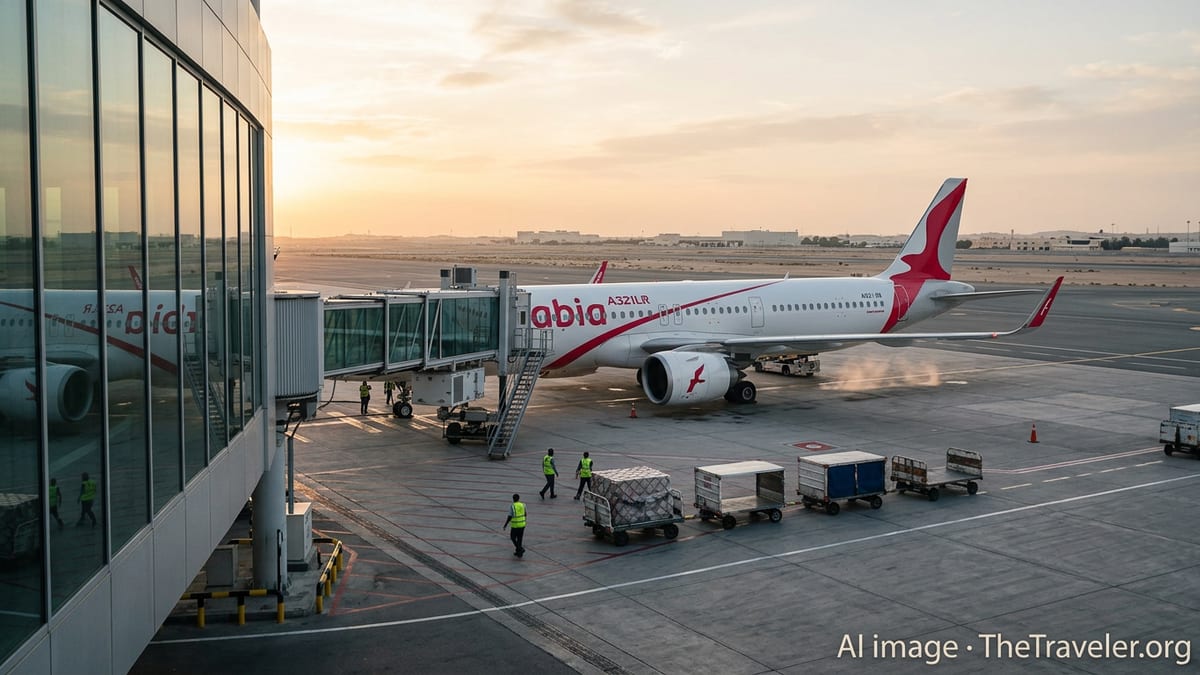
Overall picture of disruption at Gatwick today
Live departure and arrival boards for London Gatwick on Tuesday, June 9 indicate a busy schedule operating broadly as planned, but with a noticeable cluster of minor delays through the early morning and mid-morning peaks. Publicly available tracking data shows most disrupted flights running late by around 15 to 45 minutes, with only a handful of services currently cancelled outright.
The pattern fits with Gatwick’s position as one of Europe’s busiest single-runway airports, where tight scheduling can quickly translate into knock-on delays when individual services run behind time. March performance figures published by the airport already highlighted the challenge of keeping punctuality high as traffic builds toward the peak summer season, with on-time performance fluctuating by carrier and time of day.
Reports from aviation monitoring sites suggest that, so far, the disruption level at Gatwick today remains well below that seen during major weather events or air traffic control outages in recent years. There is no indication of a single underlying operational crisis, with delays instead appearing to arise from a mix of routine factors including aircraft rotation, congestion at busy hubs and morning flow constraints across European airspace.
As the day moves into the afternoon and evening wave of flights, airlines are expected to continue working to absorb earlier delays, but some knock-on impact on later services remains possible where aircraft and crews are out of position.
Departures: pockets of delay on short haul routes
On the departures side, the most visible disruption this morning has been concentrated among short haul leisure and city routes, particularly during the early waves between roughly 6:00 and 10:00. Flight-tracking data for typical holiday routes such as Tenerife and other Canary Islands destinations shows several services leaving behind schedule, with departures pushed back into later slots as turnaround times lengthen.
Low cost and leisure carriers, which operate some of Gatwick’s densest schedules, appear to be bearing much of the early delay pressure. Public timetables indicate that rapid aircraft turnarounds are standard on many of these routes, so any late inbound arrival can quickly cascade into a delayed outbound departure as ground teams work to make up time while still completing mandatory safety and servicing checks.
Despite these issues, the vast majority of flights are still departing on the same calendar day and eventually reaching their destinations, suggesting that airlines are currently prioritising completing rotations over pre-emptively cancelling services. Only a limited number of flights on the boards are marked as cancelled, and these appear spread across different routes rather than clustered on a single corridor.
For passengers, the operational picture means that extra waiting at the gate is more likely than full loss of service. Travellers are being advised through airline channels and airport guidance to arrive on time for check in and security, even if live boards show a delay, because schedules can be adjusted as the day unfolds and aircraft become available.
Arrivals: late inbound services but limited diversions
Inbound traffic to Gatwick today is also showing a pattern of minor to moderate delay, particularly among flights coming from busy European hubs and popular holiday destinations. Flight status pages for routes from the Mediterranean and Atlantic islands, for example, list several arrivals landing later than initially scheduled, reflecting earlier departures that left behind time.
The wider European aviation network is entering its main summer build up, and recent government and industry reports have noted that airlines across the continent are operating at or above pre-pandemic capacity on many leisure routes. In practice, this can mean tighter turnaround margins at overseas airports, congestion in shared airspace and a greater sensitivity to local weather or air traffic restrictions along the route.
So far today, however, there is no broad pattern of diversions away from Gatwick or prolonged holding patterns in the skies above the airport. Publicly available radar data shows normal inbound flows being managed into the single-runway system, with some extended approach times but no sign of systematic disruption comparable to a runway closure or major equipment failure.
Late arrivals may still have knock-on implications for passengers with onward surface connections, particularly where rail or long distance coach services run to fixed timetables. Consumer guidance from the UK Civil Aviation Authority emphasises that travellers should build in contingency time when connecting from flights to separate onward journeys, especially during the peak summer months.
Context: a busy summer build up at the UK’s second largest airport
The disruption seen at Gatwick today is unfolding against a backdrop of strong growth in the airport’s summer schedule. Recent updates from the airport’s media centre describe 2026 as shaping up to be the busiest summer since 2019, with passengers able to choose from more than 230 destinations across Europe, North America, the Caribbean, Asia, the Middle East and Africa. This expansion follows the launch of new airlines and additional routes, including an enlarged leisure offering from carriers such as Jet2 and extended networks from established European operators.
Industry data and airport performance reports point to Gatwick’s status as the most heavily used single-runway commercial airport in the world, with a declared capacity of 55 movements per hour. While the airport regularly meets that throughput, the tight operating envelope leaves limited room to recover from even small disturbances in the schedule, making days of scattered delay like today more likely as traffic ramps up.
At the national level, official analysis published by the Department for Transport this spring indicated that airlines across the UK have removed around 1,200 departing passenger flights from published schedules during the six weeks from early May to mid June. While this represents less than 1 per cent of planned flights, it underlines how carriers are attempting to fine tune capacity ahead of the main peak to reduce the risk of on-the-day cancellations.
Gatwick is also in the middle of a multi year investment and planning programme aimed at increasing resilience and future capacity, including proposals to bring its existing northern runway into more routine use alongside the main runway. As these longer term developments progress through consultation and regulatory processes, daily operational performance remains closely watched by local communities and passengers alike.
What today’s disruption means for passengers
For travellers using London Gatwick today, the scattered delays and limited cancellations mean a heightened risk of inconvenience rather than wholesale disruption. Publicly available information shows that queues at security and check in are broadly in line with a busy weekday in early summer, but passengers whose flights are delayed may face longer overall journey times and tighter connections at their destination.
Consumer advice from the UK Civil Aviation Authority stresses that passengers whose flights are significantly delayed or cancelled may be entitled to assistance such as refreshments, accommodation in some circumstances, and rerouting or refunds depending on the length and cause of the disruption. These rights apply differently depending on whether the airline is UK or EU based and whether the disruption is within the carrier’s control, so travellers are encouraged to check the specific terms and published guidance for their journey.
In practical terms, airport observers recommend that anyone flying from Gatwick on Tuesday, June 9 keep an eye on both the airport’s live flight information and their airline’s direct updates, which tend to carry the most up to date gate and boarding details. Allowing extra time for security screening, especially at peak morning and evening periods, can help reduce stress if a gate change or short notice boarding call is announced once earlier delays start to unwind.
With the main school holiday season still weeks away, today’s pattern of modest but manageable disruption offers an early indication of the pressures that Gatwick and its airlines will face as passenger numbers rise further into July and August. How effectively they navigate days like this will shape public perceptions of reliability during what is expected to be the airport’s busiest summer in years.