


More news on this day
Italy’s updated 2026 travel advisory for Norway urges residents to prepare for continued air-traffic disruption, stricter passport and border controls, and persistent avalanche risks in popular mountain regions.
Get the latest news straight to your inbox!
Heightened Focus on Flight Disruptions in Norwegian Airspace
Publicly available information on Norway’s aviation network points to continuing irregularities in flight schedules, prompting Italy’s advisory to stress the importance of flexible bookings and close monitoring of travel updates. A sustained air traffic controller strike has led to cancellations and delays across multiple Norwegian airports in August 2026, affecting both domestic and international routes. Recent notices from Norway’s airport operator Avinor describe significant consequences for traffic, particularly around major hubs such as Oslo Airport Gardermoen and key regional airports.
Reports indicate that some flights are being retimed or rerouted at short notice, with passengers advised to track airline apps, websites, and airport information channels on the day of travel. Guidance from Norwegian aviation sources underlines that individual airlines remain responsible for rebooking and assistance when flights are cancelled or substantially delayed, while airports publish disruption notices and general passenger-rights information. Italian travelers heading to Norway in late summer and into the 2026–2027 winter season are therefore encouraged to factor in potential schedule changes, especially when planning tight connections or combining domestic legs with long-haul itineraries.
Independent travel updates from carriers operating in Norway also note that industrial disputes and staffing constraints can have knock-on effects beyond the immediate strike period. As a result, Italy’s advisory frames flight disruption not as a one-off incident but as an operational risk that could recur, particularly during peak travel periods and adverse weather. Travelers are urged to have contingency funds, consider travel insurance that includes disruption cover, and keep digital copies of itineraries and receipts that may be needed for compensation claims.
Passport Rules, Schengen Checks and Emerging EES Registration
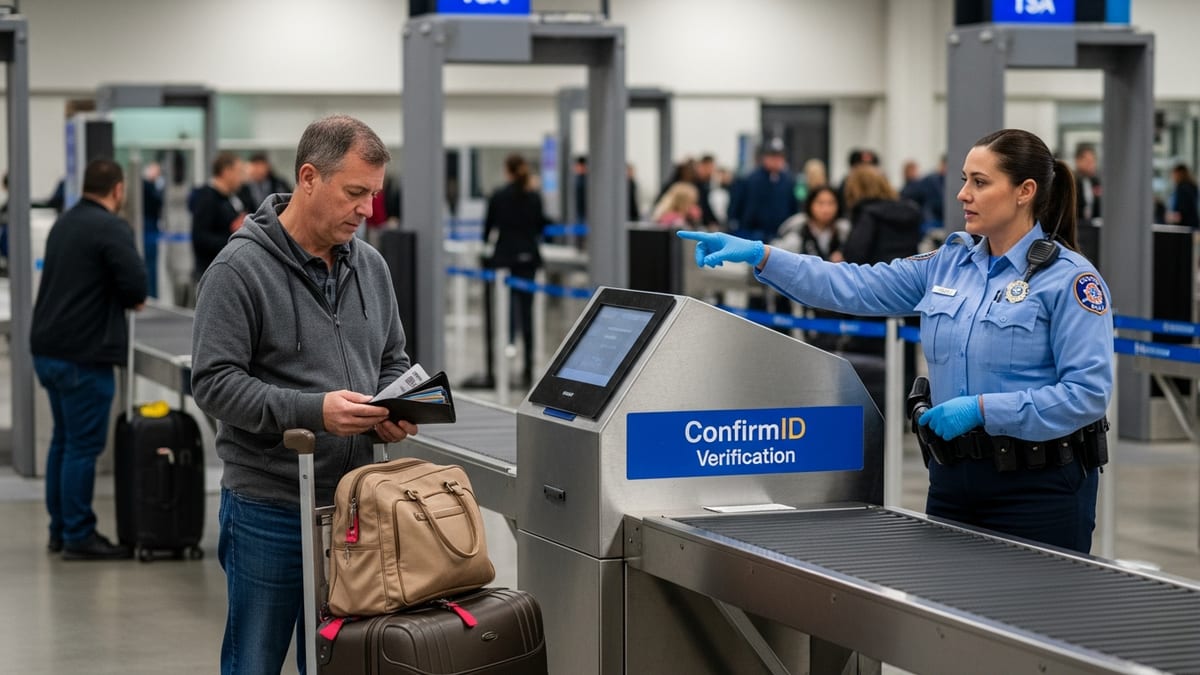
The 2026 advisory devotes particular attention to passport validity and border-control practices for trips to Norway, which is part of the Schengen area. European Union and Schengen guidance emphasizes that travel documents used for short stays should be issued within the previous 10 years and remain valid for at least three months beyond the intended departure from the Schengen zone. Italy’s foreign ministry channels reiterate these parameters, underlining that travelers whose passports are close to expiry may be denied boarding or refused entry, even for brief city breaks or weekend ski trips.
Although Italian citizens can normally travel within the Schengen area on a valid national identity card, many airlines and itinerary combinations still require a passport. Publicly available visa and document checklists for Norway highlight that third-country nationals, including companions from outside the EU or Schengen area, must carry passports that meet the 10-year issue and three-month validity standards and may need a short-stay visa depending on nationality. Italy’s advisory draws attention to this mixed-travel reality, urging multi-national families and groups to verify each traveler’s status and documentation well before departure.
Norwegian airport guidance also details preparations for the EU Entry/Exit System (EES), an automated register for non-EU nationals arriving for short stays. While EES is primarily directed at travelers from outside the Schengen area, Italy’s advisory notes that border-control processes at major Norwegian airports are evolving and may involve biometric recording, including facial images and fingerprints, during initial implementation. Italian travelers with non-EU family members, or dual nationals traveling on non-EU passports, are advised to allow additional time at border checkpoints and to follow the instructions displayed at automated gates.
Avalanche Exposure in Norway’s Mountains and Fjord Regions
In addition to aviation and border considerations, the Italian advisory highlights Norway’s well-documented avalanche exposure in winter and early spring. Official Norwegian information services consistently classify substantial parts of the Norwegian highlands and coastal mountains as avalanche-prone, especially where steep terrain, heavy snow accumulation, and wind-loading coincide. Popular destinations for Italian travelers, such as ski resorts, backcountry touring areas, and coastal peaks in northern and western Norway, may experience rapidly changing snow stability conditions.
Norwegian meteorological and hazard agencies publish detailed avalanche bulletins, which are used as a foundation for many countries’ travel guidance. Italy’s advisory encourages travelers to consult these bulletins daily when engaging in winter sports, off-piste skiing, or snowshoeing away from marked trails. It also refers to the importance of specialized training, appropriate equipment such as transceivers, probes and shovels, and the guidance of certified local mountain professionals for high-risk routes.
Publicly accessible risk assessments point out that severe avalanche events can temporarily close roads and mountain passes, disrupt local transport, and isolate smaller communities. This has practical implications for trip planning: Italian visitors driving rental cars in rural areas are advised to monitor National Road Administration updates and local police or municipality channels, particularly during periods of heavy snowfall and thaw cycles. Travel insurance policies should be checked for coverage of delays or forced itinerary changes caused by natural hazards.
Planning 2026 Norway Trips from Italy: Practical Steps
Italy’s 2026 advisory frames Norway as a generally safe and well-regulated destination, while emphasizing that air-traffic uncertainty, documentation rules, and mountain hazards require more deliberate planning. Prospective visitors are encouraged to register itineraries with trusted contacts, maintain flexible dates where possible, and avoid scheduling same-day connections between separate tickets. When booking domestic flights within Norway, choosing longer layovers and early departures can reduce the risk of missed onward connections caused by rolling delays.
For documentation, Italian travelers are urged to check passport validity at least six months before departure, renew documents that are approaching the 10-year issue threshold, and verify requirements for non-Italian companions through official Norwegian embassy and consulate resources. Travelers accompanying non-EU nationals should pay close attention to visa appointment backlogs and processing times, which can lengthen in the months before the winter high season.
On the safety side, the advisory suggests favoring itineraries that build in buffer days around high-risk mountain excursions and key long-haul flights. Travelers heading to regions known for heavy snowfall, such as northern Norway or high mountain passes between fjords, may wish to schedule road journeys for daylight hours only and maintain flexibility to wait out storm systems. Monitoring local avalanche bulletins and weather services in real time, rather than relying solely on long-range forecasts, is flagged as a simple but critical step.
Where to Find Official Updates Before and During Travel
Italian residents planning journeys to Norway in 2026 are directed to consult several online platforms before departure and while on the move. Italy’s Viaggiare Sicuri portal provides country-specific overviews that include safety and security, health considerations, natural hazard awareness, and contact details for Italian diplomatic missions. This information is updated periodically, with validity dates indicating when the advisory was last reviewed.
For aviation matters inside Norway, Avinor’s official site and mobile applications supply real-time flight status, disruption notices, and general passenger-rights information. Airlines operating routes between Italy and Norway publish separate travel-update pages, including notices related to strikes, capacity reductions, and severe weather impacts. Travelers are encouraged to check both airport and airline channels, as the two may carry different but complementary details on the same disruption.
When it comes to mountain safety, Norwegian avalanche and weather services host free, map-based bulletins that outline hazard levels by region and elevation. Italy’s advisory notes that these bulletins are widely relied upon by local rescue organizations and mountain professionals, making them a key reference for foreign visitors contemplating off-piste or backcountry travel. Combining these resources with standard route-planning tools and local tourism information can help Italian travelers make informed decisions throughout their time in Norway.
Italy Viaggiare Sicuri – Norway advisory
Avinor – Norwegian airport and flight information
Avinor – Passenger rights and disruption guidance