


More news on this day
A landmark direct charter flight from Japan to Bohol’s Panglao Island is reshaping the tourism map of the central Philippines, anchoring fresh demand from a high‑spending market and reinforcing the country’s broader post‑pandemic travel rebound.
Get the latest news straight to your inbox!
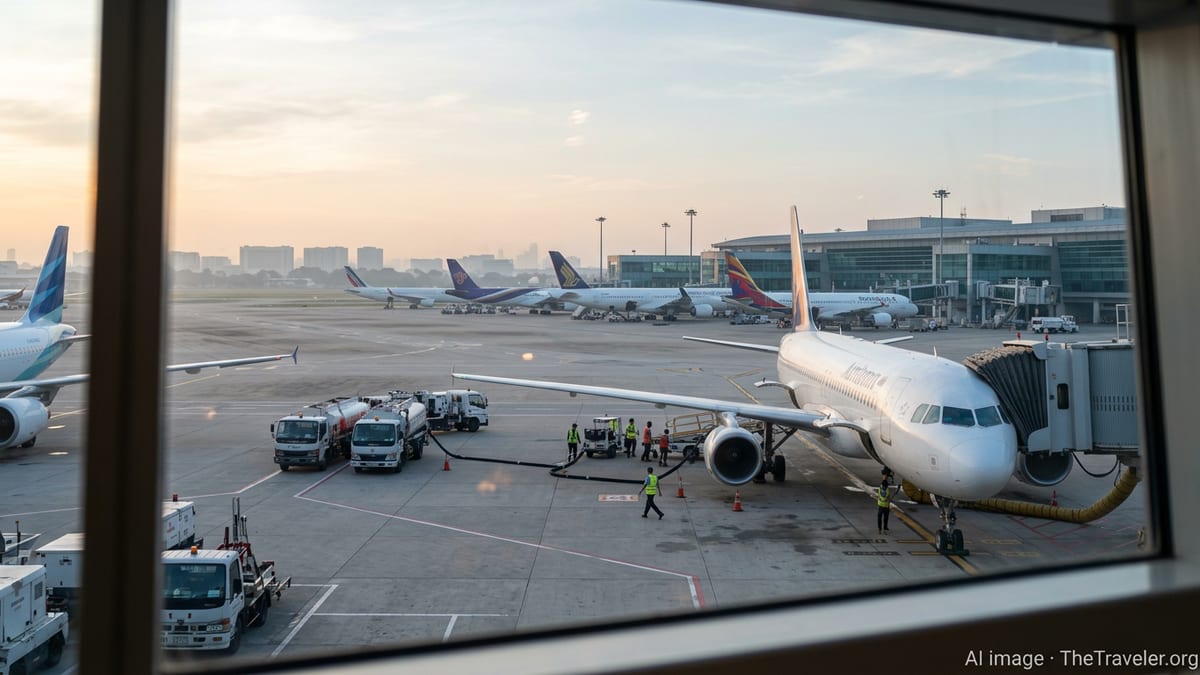
First Narita–Bohol Charter Marks New Phase for Panglao Airport
The Bohol–Panglao International Airport welcomed its first direct charter service from Narita International Airport on May 2, 2026, operated by Cebu Pacific under flight number 5J 8811. Publicly available reports indicate that the flight carried more than 160 Japanese leisure travelers, a clear signal that Bohol is successfully reentering the radar of long‑haul Asian visitors.
The charter is being framed in local coverage as a test case for potential regular services between Tokyo and Bohol. Aviation and tourism observers note that Panglao’s airport, opened in 2018 to replace the older Tagbilaran facility, was envisioned from the outset as an international gateway capable of directly linking the island province to key markets such as Japan and South Korea.
The Narita charter follows years of incremental progress in international connectivity for Bohol, including earlier routes to Seoul and seasonal services tied to regional demand. The latest development is seen as restoring some of the momentum lost during the pandemic and subsequent shifts in airline capacity across East and Southeast Asia.
Although the current operation is limited to charter status, stakeholders in both aviation and hospitality sectors are treating the May 2 arrival as proof of concept that sustained Japanese demand exists for a direct link to the island’s resorts and nature attractions.
Japanese Market Emerges as a Priority for Philippine Tourism
The Japan–Bohol charter reflects a broader Philippine strategy to deepen ties with Japan’s outbound travel market, which has long been considered one of Asia’s most resilient and high‑value segments. Tourism briefings over the past year have highlighted Japan as a priority for diversifying arrivals, particularly as some traditional regional markets adjust their travel patterns.
Coverage of recent Bohol trade and tourism missions to Japan describes coordinated efforts by provincial and private‑sector representatives to pitch Panglao as a premium beach and dive destination that can complement more established Philippine hotspots such as Cebu, Boracay, and Palawan. The charter flight is widely presented as a direct outcome of these promotion campaigns.
Japan’s travelers are known for relatively higher per‑trip spending, strong interest in organized tours, and sensitivity to ease of access. The availability of a nonstop connection to Bohol reduces the need to transfer via Manila or Cebu, cutting travel time and providing a more seamless experience for package tours and group travel from Tokyo and nearby regions.
Tourism data released in late 2025 already pointed to a gradual recovery of Japanese arrivals to the Philippines, and observers suggest that provincial gateways like Bohol stand to benefit disproportionately as airlines and tour operators look for fresh itineraries beyond major urban hubs.
Infrastructure Upgrades Position Bohol for a Tourism Surge
The timing of the Narita–Bohol charter aligns with significant investment in Bohol–Panglao International Airport and the surrounding hospitality sector. Government briefings and infrastructure updates outline a multibillion‑peso program to expand passenger capacity, modernize terminal facilities, and enhance navigation systems under a new private operator.
Parallel to the airport upgrades, provincial economic reports list more than a dozen new hotel and resort developments either under construction or in the pipeline on Panglao Island, adding thousands of rooms across luxury, mid‑scale, and budget categories. This expansion is intended to accommodate both the rebound of traditional markets and the expected growth from new source countries such as Japan.
Industry analysis suggests that improved airside and landside infrastructure is critical if Bohol is to convert one‑off charters into scheduled international services. Enhanced check‑in, immigration, and baggage handling capacity, along with better retail and dining offerings, are viewed as essential in meeting the expectations of Japanese carriers and tour operators considering longer‑term commitments.
The airport has also been promoted as the Philippines’ first so‑called “eco‑airport,” with design features aimed at energy efficiency and reduced environmental impact. This positioning is seen as an advantage in attracting travelers from Japan, where awareness of sustainability in tourism has grown in recent years.
Bohol’s Natural Assets and Diversifying Philippine Routes
Bohol’s appeal rests on a combination of classic tropical imagery and unique inland attractions. The province offers white‑sand beaches, coral reefs, and popular dive sites around Panglao, together with the Chocolate Hills landscape, tarsier sanctuaries, and river tours on the main island. Travel guides and destination rankings in recent years have consistently placed Panglao among trending Asian beach destinations.
By introducing direct flights from Japan, Philippine tourism planners are effectively redrawing traditional visitor flows that have long funneled international tourists through Manila or Cebu before dispersing to secondary islands. The Narita–Bohol charter points to a shift toward multi‑gateway strategies, where provinces with upgraded airports can compete more directly for international arrivals.
Industry commentators note that the move also spreads economic benefits beyond the country’s most congested hubs. Direct services to Bohol encourage longer stays on the island, increase demand for local tour operators, and create incentives for new attractions and cultural experiences that cater to Japanese tastes in food, wellness, and soft adventure.
The diversification of routes is occurring as Philippine carriers deploy new‑generation aircraft with better fuel efficiency and range, improving the economics of point‑to‑point services to secondary destinations. This trend is expected to support additional charter and potential scheduled links between Japan and other provincial airports in the coming years.
Prospects for Regular Services and Wider Regional Impact
While the Narita–Bohol operation is currently charter‑based, regional tourism analysts see it as an early step toward regular scheduled flights, particularly if load factors remain strong across multiple rotations. Airlines typically use charters to test demand, refine schedules, and assess ground capabilities before committing scarce aircraft to new international routes.
Reports from local tourism offices suggest that the inaugural flight is part of a broader series of initiatives aimed at rebuilding Bohol’s overseas visitor base after a period of softer arrivals from parts of Northeast Asia. Strong performance from the Japanese market could encourage additional charters from other cities such as Osaka or Nagoya, further deepening connectivity.
Neighboring provinces in the Central Visayas stand to gain as well. Improved links between Japan and Bohol make multi‑destination itineraries more viable, allowing travelers to combine Panglao’s beaches with side trips to Cebu, Siquijor, or Negros Oriental by air or sea. This regional integration supports the Philippines’ ambition to position the Visayas as a cohesive tourism corridor rather than a set of isolated islands.
For now, the May charter flight has already placed Bohol firmly back into conversation among Japanese travel planners. If momentum continues, the route could become a model for how targeted air connectivity, infrastructure investment, and coordinated promotion can lift a provincial destination to new heights in the competitive Asian tourism landscape.