


More news on this day
Japan’s travel landscape is undergoing a rapid transformation as record-breaking visitor numbers, a weak yen and changing rail economics combine to reshape where and how millions of international travelers explore the country.
Get the latest news straight to your inbox!
Record Arrivals Redraw the Tourism Map
Japan has emerged from the pandemic years into a period of unprecedented demand, with inbound tourism surpassing its pre-2020 peak. Government statistics and industry data show that the country welcomed close to 37 million international visitors in 2024, exceeding the previous high set in 2019 and confirming Japan as one of Asia’s busiest destinations. Tourism has become a major pillar of the national economy, accounting for a growing share of gross domestic product and employment.
The surge is fueled by a combination of pent-up demand, expanded air capacity and favorable exchange rates. The sustained weakness of the yen has made Japan comparatively affordable for travelers from North America, Europe and parts of Asia, encouraging longer stays and higher on-the-ground spending. Tour operators and booking platforms report strong interest not only in traditional first-timer itineraries, but also in extended journeys that combine major cities with more remote regions.
Domestic travel has recovered alongside international demand, adding further pressure to popular hotspots. Government white papers on tourism describe a dual trend of booming city breaks and renewed domestic exploration of rural areas, contributing to a complex mix of crowding in some districts and underuse in others. This divergence is becoming a central policy and industry concern as authorities seek to balance economic benefits with quality of life for residents.
Rising Costs and Rail Pass Changes Reshape Itineraries
At the heart of Japan’s travel shift is the changing cost of mobility. For decades, the nationwide Japan Rail Pass acted as a powerful incentive for visitors to cross the country by bullet train, often looping through multiple regions on a single trip. Since late 2023, however, that model has been disrupted by steep price increases. Publicly available information from railway companies shows that standard pass prices rose by around 60 to 70 percent, significantly narrowing the gap between the pass and individual tickets.
Further adjustments scheduled for 2026 indicate that rail operators are continuing to recalibrate pricing for overseas visitors, pointing to a long-term restructuring of how long-distance travel is sold. Industry commentary suggests that travelers who once used the pass to make rapid circuits from Tokyo to Kansai, Hiroshima and beyond are now weighing more selective routes, opting either for point-to-point tickets on high-speed trains or for regional passes that concentrate travel within a smaller area.
Online travel guides and advisory services increasingly highlight this change, noting that the value of the nationwide pass now tends to favor intensive rail use over shorter periods or highly rail-focused itineraries. In practical terms, that means visitors are more likely to choose a base city and take day trips within a single region, rather than attempting to cover large sections of the country in one journey. The result is a subtle but significant redistribution of footfall, with some secondary cities seeing more targeted visits while extremely long cross-country loops become less common.
Adventure, Nature and Regional Japan Attract New Audiences
As transportation costs and crowding reshape expectations, traveler interests are also shifting. Tourism surveys and destination marketing data show growing demand for outdoor, cultural and food-focused experiences beyond the classic Tokyo–Kyoto corridor. Regions such as Hokkaido, Tohoku, the Japan Alps and Kyushu report increasing attention from international visitors seeking hiking, cycling, skiing and hot spring stays.
National and regional tourism bodies have spent the past several years promoting lesser-known destinations, and this effort is now intersecting with global trends toward slower, more experiential travel. Rural homestays, small inns and local guide services in former industrial or agricultural towns are receiving more visibility in overseas media and on booking platforms. These locations often emphasize activities such as coastal trekking, forest bathing, farm visits and community-based festivals, offering experiences that differ markedly from big-city sightseeing.
The shift is not limited to leisure vacationers. Remote workers and long-stay visitors, including those anticipating new residence options such as emerging digital nomad arrangements, are factoring access to nature, community and cost of living into their decisions. This has led more travelers to consider mid-size cities and regional hubs that offer reliable infrastructure while remaining within easy reach of mountains, hot springs or coastlines.
Managing Overtourism While Encouraging Dispersal
The influx of visitors has created visible strain in some of Japan’s most iconic neighborhoods. Kyoto’s historic districts, central Tokyo and sites such as Mount Fuji have been the focus of widely reported crowding, prompting national and local governments to experiment with new management measures. These include time-based access controls, higher local fees and more active promotion of alternative viewpoints and routes that can relieve pressure on the most heavily trafficked spots.
At the same time, national tourism policy documents repeatedly highlight the need to disperse travelers more evenly across the archipelago. Incentive campaigns, multilingual information centers and improved digital navigation tools encourage visitors to incorporate lesser-known towns and attractions into their itineraries. Railway and bus companies are adjusting services and passes to link airports and major cities with regional areas that stand to benefit from increased tourism income.
Industry observers note a delicate balancing act: Japan is seeking to sustain record visitor numbers while addressing quality-of-life concerns in neighborhoods struggling with congestion. The push for dispersal aligns with the broader trend of adventure and nature-focused travel, offering regions facing population decline a chance to attract new economic activity. However, the success of this strategy depends on continued investment in local infrastructure, workforce development and environmental safeguards.
The Next Phase of Japan’s Tourism Boom
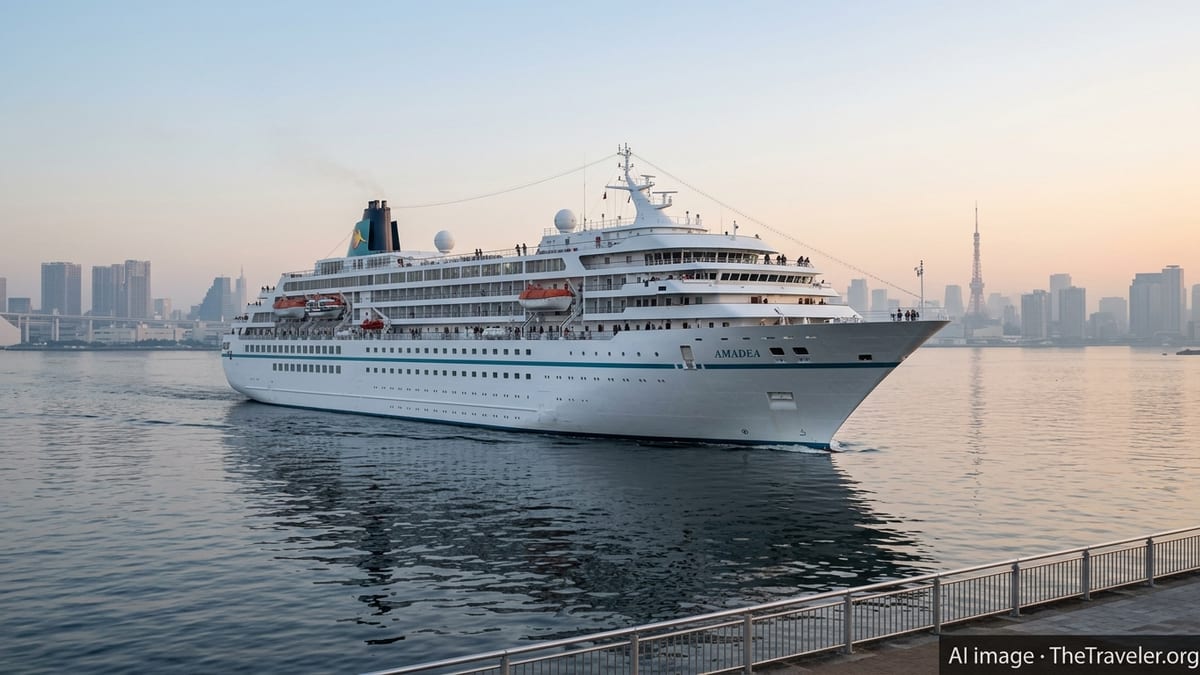
Looking ahead, analysts expect inbound demand to remain strong as long as the yen stays relatively weak and air links continue to expand. Major carriers have been restoring and adding routes to Tokyo, Osaka and regional airports, while low-cost airlines connect secondary cities with markets in East and Southeast Asia. Cruise traffic is also rebuilding, bringing short-stay visitors to ports across the country.
For travelers, this environment offers both opportunity and complexity. There are more ways than ever to experience Japan, from urban food tours and art islands to multi-day treks along historic pilgrimage routes. At the same time, careful planning has become essential, with transportation choices, crowding patterns and local regulations influencing everything from costs to access at headline attractions.
The cumulative effect is a massive shift in how Japan is discovered. Rather than a single linear route through a handful of marquee cities, millions of visitors are beginning to fan out into regional landscapes, coastal communities and mountain towns. As policies, prices and traveler expectations continue to evolve, Japan’s tourism boom appears to be entering a new phase that places greater emphasis on depth, diversity and sustainability of experience.