


More news on this day
Japan is navigating a dramatic new tourism era as record-breaking visitor numbers, rising transport costs and evolving traveler preferences combine to transform where people go, how they move and what they seek once they arrive.
Get the latest news straight to your inbox!
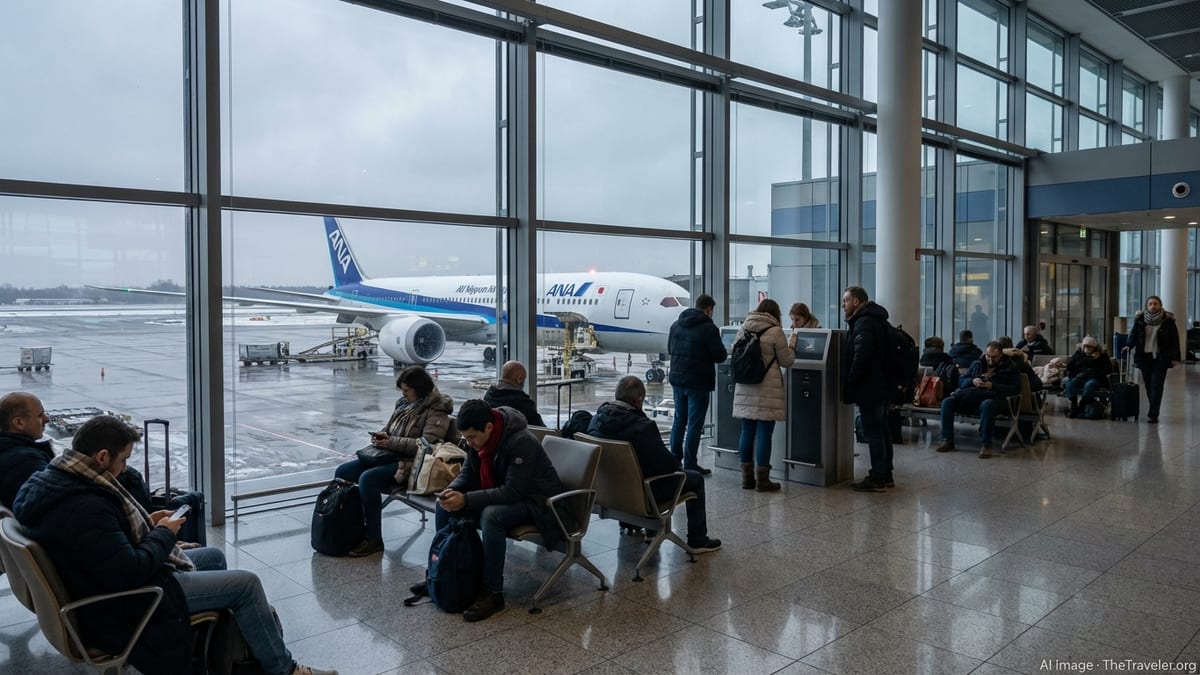
Record Tourism Surges Past Pre‑Pandemic Highs
Japan’s visitor boom has accelerated beyond pre‑pandemic levels, with government data indicating that the country welcomed roughly 36 to 37 million international arrivals in 2024, exceeding the previous peak set in 2019. A weak yen has made hotels, dining and long-distance rail comparatively affordable in foreign currencies, encouraging longer itineraries and repeat visits that are reshaping travel behavior.
Tourism research bodies report that total tourism consumption has climbed into the tens of trillions of yen annually, accounting for a growing share of national economic activity. Domestic travel has also rebounded, with hundreds of millions of internal trips logged across 2024 as Japanese residents return to traditional hot spring towns, coastal resorts and regional cities.
This surge is not limited to headline destinations. While Tokyo, Kyoto and Osaka remain core stops, industry analysis suggests that repeat visitors in particular are extending their stays and adding lesser-known prefectures to their routes. As the absolute number of travelers grows, even a modest shift in preferences is sending millions of people into new corners of the country.
From Group Tours To Solo And Independent Adventures
Alongside the numerical boom, Japan’s travel market is undergoing a structural shift toward independent and solo travel. A 2024 lifestyle survey by Euromonitor identified Japan as the country with the highest share of respondents who travel alone among nearly 40 markets surveyed, with around one in five residents choosing to do so. Follow‑up analysis from Japanese tourism researchers describes solo travel as a defining feature of the country’s new tourism landscape.
Tour operators and booking platforms focusing on Japan report double‑digit growth in solo customers in 2024 and 2025, with some agencies indicating that more than a third of recent bookings are now for individuals. This trend is visible on the ground in the form of single-occupancy hostel pods, compact business hotels filled with foreign guests, and specialized “one‑person” restaurant counters and bar tours in major cities.
The rise in independent travel is also changing route planning. Travelers who once relied on fixed itineraries and package tours are increasingly piecing together journeys themselves using regional rail passes, low‑cost carriers and local bus networks. As more visitors feel comfortable navigating Japanese transport and digital tools, itineraries are stretching beyond the traditional Tokyo–Kyoto–Osaka triangle to secondary hubs such as Kanazawa, Fukuoka, Sapporo and Nagano.
Rail Economics Push Travelers To Rethink How They Move
Transport policy and pricing are playing a central role in this shift. The national Japan Rail Pass, long regarded as a symbol of affordable, flexible travel for overseas visitors, rose in price sharply on 1 October 2023. Public information from rail operators and national tourism guides shows that a standard seven‑day pass for foreign tourists increased to around 50,000 yen, with longer durations climbing even more steeply.
Subsequent investor briefings from major rail companies indicate that the pass revision significantly lifted average revenue per overseas passenger, even as operators acknowledged that total pass sales may not fully return to pre‑revision levels. At the same time, several regional passes have also been reviewed, with documentation from JR companies confirming higher prices or revised product line‑ups taking effect through 2024 and into 2025.
For cost‑conscious travelers, these changes are altering the logic of cross‑country itineraries. Travel forums and specialist outlets increasingly advise visitors to compare the cost of individual Shinkansen tickets against national passes, especially for shorter stays. As a result, more visitors are focusing on one or two regions instead of attempting to cross the entire archipelago within a single week, a trend that dovetails with broader moves toward slower, deeper travel.
Beyond Tokyo And Kyoto: The Push Into Regional Japan
As inbound numbers climb, pressure on classic hotspots has intensified. Kyoto in particular has become a focal point in global overtourism debates, with coverage highlighting crowded buses, busy temple precincts and tension between residential neighborhoods and short‑term visitors. Similar concerns have been reported in parts of Tokyo and Osaka during peak seasons.
In response, central and local authorities have stepped up efforts to disperse travelers more evenly across the country. Policy documents and media reports describe initiatives that promote rural and secondary cities, often branded around food, nature, outdoor adventure and traditional crafts. The extension of the Hokuriku Shinkansen toward the Sea of Japan coast and upgrades to regional airports are central to these strategies, helping make destinations such as Kanazawa, Toyama and Fukui more accessible to foreign visitors.
Regional tourism boards are leveraging this moment to position their areas as alternatives for travelers seeking quieter experiences. Campaigns emphasize lesser‑known hiking routes in the Japanese Alps, cycling along the Seto Inland Sea, and stays in restored kominka farmhouses in prefectures facing aging and depopulation. With inbound demand at record levels, even a modest redirection of flows stands to deliver meaningful economic lifelines to these communities.
Sustainability, Etiquette And The Future Of Japanese Travel
The rapid return of mass tourism has also catalyzed a wave of sustainability and etiquette initiatives. National and local programs are promoting off‑peak travel, advance reservations and capped visitor numbers at sensitive sites, while new signage and multilingual campaigns explain local customs around noise, trash, photography and behavior in residential streets.
Environmental considerations are coming to the fore as well. Public information highlights efforts to encourage low‑carbon transport, including increased promotion of long‑distance rail over short‑haul domestic flights, as well as the development of eco‑certified accommodations and community‑based tourism projects in rural regions. Some analysts note that the same demographic trends that challenge rural Japan economically also create opportunities for small‑scale, regenerative tourism led by local residents.
For millions of travelers, these shifts mean that a trip to Japan in the mid‑2020s looks markedly different from the pre‑pandemic norm. Higher rail pass prices, the rise of solo and independent travel, and a concerted push toward regional and sustainable experiences are collectively rewriting the country’s tourism playbook, turning Japan from a once‑in‑a‑lifetime circuit into a repeat destination where each visit uncovers a different side of the archipelago.