


More news on this day
Travelers at San Francisco International Airport faced significant disruption as publicly available tracking data showed 111 flights delayed and one canceled, affecting major domestic and international routes on carriers including Delta Air Lines, United Airlines and Alaska Airlines.
Get the latest news straight to your inbox!
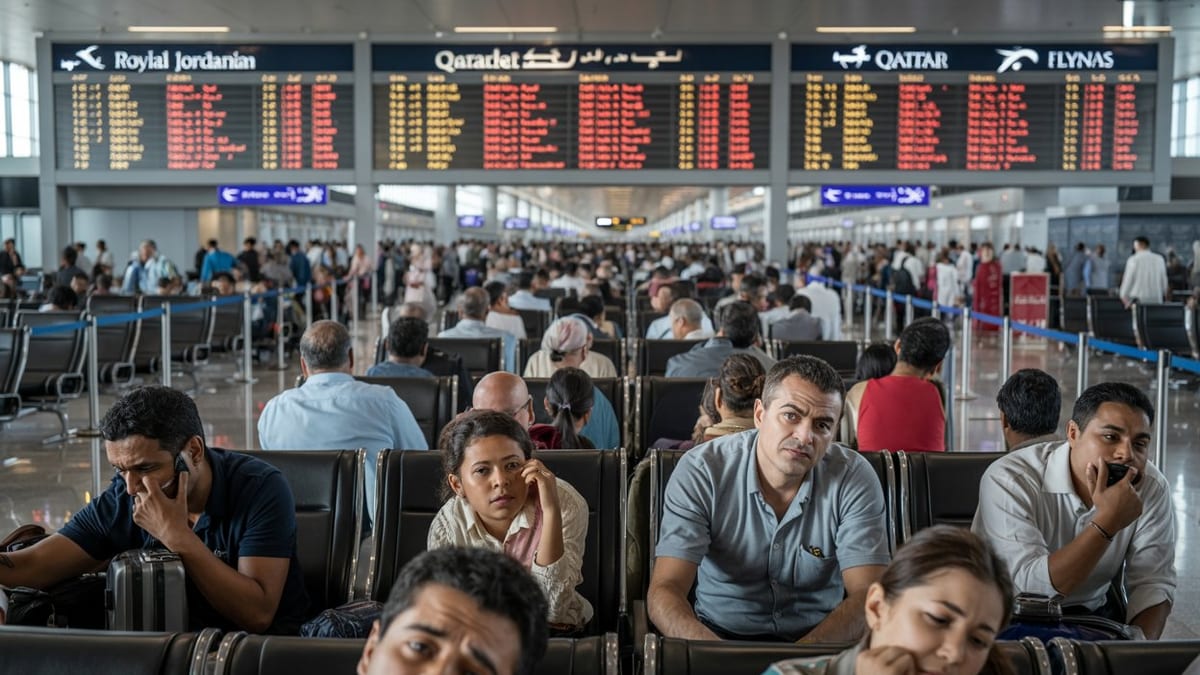
Wave of Delays Ripples Through Key Domestic and International Hubs
The disruption at San Francisco International Airport involved a broad mix of short and long haul services, with delays affecting flights to major cities such as Los Angeles, Chicago, New York, Tokyo and Seattle. Tracking boards showed departure and arrival times pushed back well beyond scheduled slots, with some long haul services from Asia arriving more than an hour behind schedule.
United Airlines, Delta Air Lines and Alaska Airlines were among the carriers most visibly affected, alongside several codeshare and partner airlines operating under their flight numbers. Publicly available schedules and tracking feeds indicated that a combination of late-arriving aircraft and air traffic management programs contributed to rolling hold-ups across peak periods.
While the majority of services ultimately operated, one cancellation added to the disruption for travelers who were forced to rebook or reroute via other hubs. The imbalance between delayed departures and arrivals also created knock-on effects for subsequent rotations, raising the prospect of further schedule adjustments into the evening.
The situation coincided with ongoing operational pressures at San Francisco, where complex airspace procedures and limited runway capacity under low cloud or reduced visibility routinely constrain the flow of traffic. Recent traveler reports have described extended waits and frequent ground delay programs when weather and traffic volumes intersect during busy banks of flights.
Runway Works and New FAA Restrictions Add Pressure at SFO
The latest disruption comes against the backdrop of a multi-month infrastructure program at San Francisco International Airport, with Runway 1 Right closed from late March to early October for a major resurfacing and taxiway upgrade project. Airport communications have indicated that all departing aircraft are being funneled to the remaining primary pair of runways, increasing reliance on a narrower set of configurations for takeoffs and landings.
In parallel, new Federal Aviation Administration safety directives affecting closely spaced parallel runway operations at San Francisco are expected to further tighten arrival spacing in certain conditions. Published summaries of the order indicate that more conservative separation standards will apply during specific weather and traffic scenarios, a change that aviation observers note is likely to reduce throughput during already busy periods.
Airport planning documents and industry commentary suggest that officials initially projected fewer than one in ten flights would experience delays linked directly to the runway project, with average hold times of under 30 minutes. Subsequent updates referencing the FAA order, however, have pointed to the potential for roughly a quarter of arriving flights to face delays of at least half an hour in some conditions, particularly during morning and evening peak banks.
For travelers, the practical effect is a more fragile daily schedule in which even modest weather or traffic disruptions can quickly translate into clusters of delayed flights. The tally of 111 delayed services at San Francisco illustrates how the combination of infrastructure constraints and tighter operating rules can amplify routine operational challenges.
Major Carriers and Codeshare Partners See Cascading Disruptions
Publicly accessible flight tracking tools showed United Airlines bearing a sizable share of the delayed operations, reflecting the carrier’s role as San Francisco’s largest tenant and primary hub operator. Long haul services to and from Asia, including flights linking San Francisco with key markets such as Tokyo, recorded revised arrival times, in some cases more than an hour behind schedule, which in turn affected onward domestic connections.
Delta Air Lines and Alaska Airlines also experienced widened departure and arrival windows on routes linking San Francisco with West Coast cities such as Los Angeles and Seattle, as well as key domestic hubs like Chicago and New York. In several instances, partner and codeshare flights marketed by other global airlines but operated by U.S. carriers showed the same delay patterns as their primary operators.
Air travel consumer data published by federal transportation authorities for recent months highlights how tightly scheduled banks at major hubs can magnify disruptions once initial delays occur. Examples in the national statistics include multi-hour tarmac delays and extended origin airport waits for major U.S. airlines when traffic management initiatives or weather constraints intersect with congested schedules.
Observers note that San Francisco’s geography and typical marine weather patterns, combined with the current runway configuration, make it particularly vulnerable to such ripple effects. When arrival rates are cut during low cloud or when ground delay programs are ordered, carriers often must reduce or retime flights, resulting in the kind of widespread departure pushes and arrival holds seen during the latest disruption.
Passengers Face Missed Connections and Lengthy Rebooking Lines
For travelers on affected flights, the immediate consequences included longer than expected waits in departure lounges, tight or missed connections at onward hubs and, in the case of the single cancellation, the need to secure alternative itineraries. Social media posts and traveler forums frequently describe lines at customer service desks and busy airline call centers during similar disruption events at San Francisco.
Passengers connecting from delayed long haul flights, such as those arriving from Tokyo, were among the most affected, particularly when onward domestic services to cities including New York, Chicago and Seattle departed on tightened intervals. Even modest arrival delays can force rebookings when minimum connection times are exceeded, further complicating airline efforts to restore the schedule.
Consumer guidance from transportation agencies and airport communication channels generally encourage travelers using San Francisco to allow additional buffer time for connections during the current construction and regulatory period. Some advisories also suggest that travelers with flexible plans consider alternative Bay Area airports, such as Oakland or San Jose, for certain itineraries while runway works and new approach rules remain in effect.
With the runway project scheduled to continue into early October and updated FAA procedures expected to remain in place, industry analysts anticipate that days with tallies similar to the 111 delayed flights recorded in this latest episode may recur, particularly during the region’s fog-prone months. Travelers planning trips through San Francisco are being urged by publicly available guidance to monitor flight status closely and build additional time into their itineraries.