


More news on this day
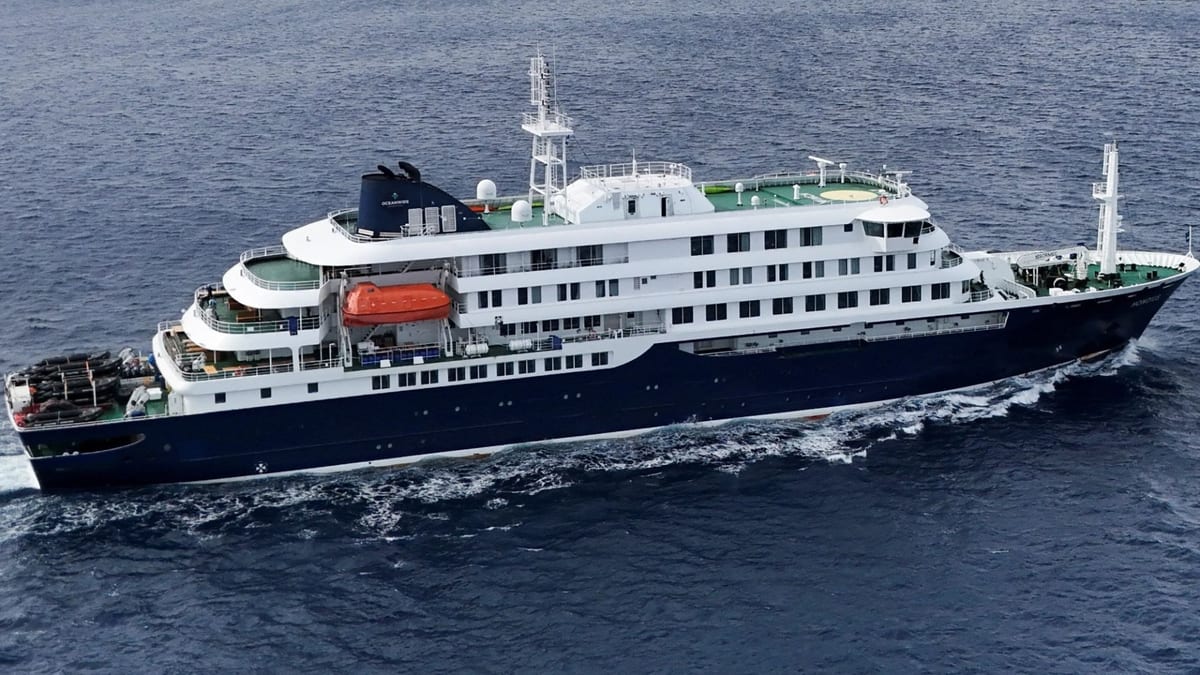
Irish nationals returning from the hantavirus-affected cruise ship MV Hondius are to undergo a period of supervised quarantine in a Health Service Executive facility, as health planners move to contain any potential spread linked to the high-profile outbreak at sea.
Get the latest news straight to your inbox!
Structured quarantine plan for returning Irish passengers
According to recent coverage of the MV Hondius outbreak, Ireland is preparing to receive a small number of its citizens who either remained on board until the vessel reached the Canary Islands or disembarked earlier in the voyage. Publicly available information indicates that, unlike some countries that are relying largely on home isolation, Irish passengers will transition directly into a managed quarantine environment operated by the Health Service Executive on their return.
Reports suggest that the HSE approach is informed by existing national plans for managing public health incidents associated with ports and international travel. During the coronavirus pandemic, Ireland developed designated quarantine facilities, including supervised hotel-style accommodation and hospital-linked units, to host high-risk arrivals and close contacts. Those frameworks are now being adapted for the much rarer, but more severe, threat posed by Andes hantavirus.
While precise locations are not being disclosed, the facilities selected are expected to offer single-occupancy rooms, controlled access, and on-site clinical support. The aim is to monitor passengers during the incubation window after their exposure on the cruise, ensure swift escalation if symptoms develop, and reduce the likelihood of onward transmission in the community.
Current international assessments describe the overall risk to the general public as low, but health systems are treating any direct exposure on the cruise as a priority. The Irish response aligns with that cautious stance, positioning quarantine as a protective measure for both returning travellers and the wider population.
How the MV Hondius outbreak reshaped repatriation strategies
The MV Hondius, a Dutch-flagged expedition cruise ship, became the focus of global attention after an outbreak of Andes hantavirus was identified among passengers and crew during an extended voyage in the South Atlantic. Published timelines indicate that the first death occurred in late April after a passenger disembarked for treatment on land, prompting a wider investigation into unexplained respiratory illness associated with the ship.
By early May, health agencies in Europe and the Americas were tracing travellers who had already left the vessel on earlier segments of the itinerary. Several countries, including the Netherlands, Spain, the United Kingdom, the United States, Canada, Argentina, and others, reported nationals connected to the sailing. As case counts and suspected infections were confirmed, attention shifted from the ship itself to how returning passengers would be received and monitored at home.
Different national strategies have emerged. Some jurisdictions have arranged medical repatriation flights and centralized quarantine in specialist units, such as the National Quarantine Unit in Nebraska for United States citizens. Others are relying more on home-based isolation supported by local public health teams, or a combination of short, facility-based assessment followed by self-monitoring. The decision by Irish planners to route passengers into an HSE-run facility places Ireland among the more restrictive responders in terms of containment measures.
For Irish travellers, this means their journey home will not end at the arrival gate. After health checks at the point of entry, they are expected to be transported under controlled conditions to the designated HSE site, where their movements and contacts can be tightly managed for the duration of the observation period.
What quarantine in an HSE facility is likely to involve
Although operational details for this specific group have not been formally published, existing HSE documentation and prior use of quarantine accommodation during the coronavirus era provide a guide to what passengers can expect. Stays are likely to last several weeks, reflecting the extended incubation period associated with Andes hantavirus, during which time individuals would be asked to remain in their rooms except for essential, supervised movements.
Medical oversight is expected to include regular symptom checks, temperature and oxygen-saturation monitoring, and fast access to diagnostic testing if respiratory or flu-like signs develop. If any returning passenger shows indications compatible with hantavirus infection, clinical protocols would allow for rapid transfer to a higher-level hospital setting with isolation-capable wards and intensive care support.
The facilities typically provide Wi-Fi, basic catering, and practical support for those separated from family and work. However, visitors are usually restricted, and contact with the outside world is largely virtual. Past HSE guidance on managed quarantine has also emphasized mental health support, recognising the stresses associated with prolonged isolation and uncertainty about health status.
From a public health perspective, the controlled setting makes it easier to conduct contact tracing, environmental cleaning, and the safe handling of clinical waste. It also reduces the risk that passengers, who may initially feel well, could become ill at home or in the community without immediate access to specialist care.
Balancing low overall risk with severe individual outcomes
Expert reviews of Andes hantavirus describe it as a rare, rodent-borne infection, but one that can cause severe respiratory disease known as hantavirus pulmonary syndrome. Reported fatality rates in past outbreaks have been high compared with more familiar respiratory viruses. At the same time, available analyses suggest that sustained human-to-human transmission outside very close contact settings has been uncommon.
This combination of low likelihood but high potential consequence is shaping the Irish response. By opting for facility-based quarantine, health planners are treating every returning cruise passenger as an individual high-priority contact, even though most are expected to complete their observation period without developing symptoms. The goal is not only to protect those individuals, but also to prevent any sporadic infections from seeding larger clusters.
Publicly available briefings across multiple countries underline that this outbreak is not being viewed as a repeat of the coronavirus pandemic. Flight schedules, tourism flows, and cruise operations have not been halted globally, and health agencies repeatedly describe the risk to the general traveller as limited. Nevertheless, the Hondius incident has prompted a renewed focus on how quickly rare but serious infections can move between continents through routine leisure travel.
For Irish tourism stakeholders, the episode is a reminder that small cohorts of returning travellers can have outsized operational impacts, from emergency planning at airports to temporary use of hotel or hospital capacity for quarantine. It also illustrates how closely national decisions are now scrutinised by an international audience sensitive to the legacy of recent global health crises.
Implications for future Irish travel and cruise planning
As the Hondius passengers complete evacuation, screening, and quarantine in different countries, travel industry observers are watching how measures such as Ireland’s HSE-run facilities shape public confidence. Some analysts suggest that clear, structured plans for handling exposed travellers may reassure visitors and residents that international tourism can continue safely even when unexpected outbreaks occur.
For Irish residents considering future cruises or long-haul trips, the current situation highlights the importance of checking insurance coverage for medical evacuation and quarantine-related disruption. It also underscores the value of keeping contact details up to date with tour operators and booking agents, so that health advisories and repatriation options can be communicated quickly if an incident arises.
On the policy side, the experience is likely to feed into revisions of HSE contingency planning for seaports and airports. Frameworks originally developed for coronavirus are now being stress-tested against a very different pathogen, revealing which logistical arrangements, legal tools, and communication strategies remain fit for purpose and which may need updating.
In the short term, the Irish focus remains on safely bringing home its citizens linked to the Hondius voyage and guiding them through a structured quarantine in the HSE facility. Their journey from expedition cruise to controlled observation has become an unexpected case study in how a small island nation manages infectious-disease risks in an era of dense global travel.