


More news on this day
A fresh surge in global jet fuel prices, compounded by concerns over supply disruptions, is rippling across the travel industry, forcing airlines and travel brands to rethink everything from ticket prices and route maps to loyalty perks and long term investment plans.
Get the latest news straight to your inbox!
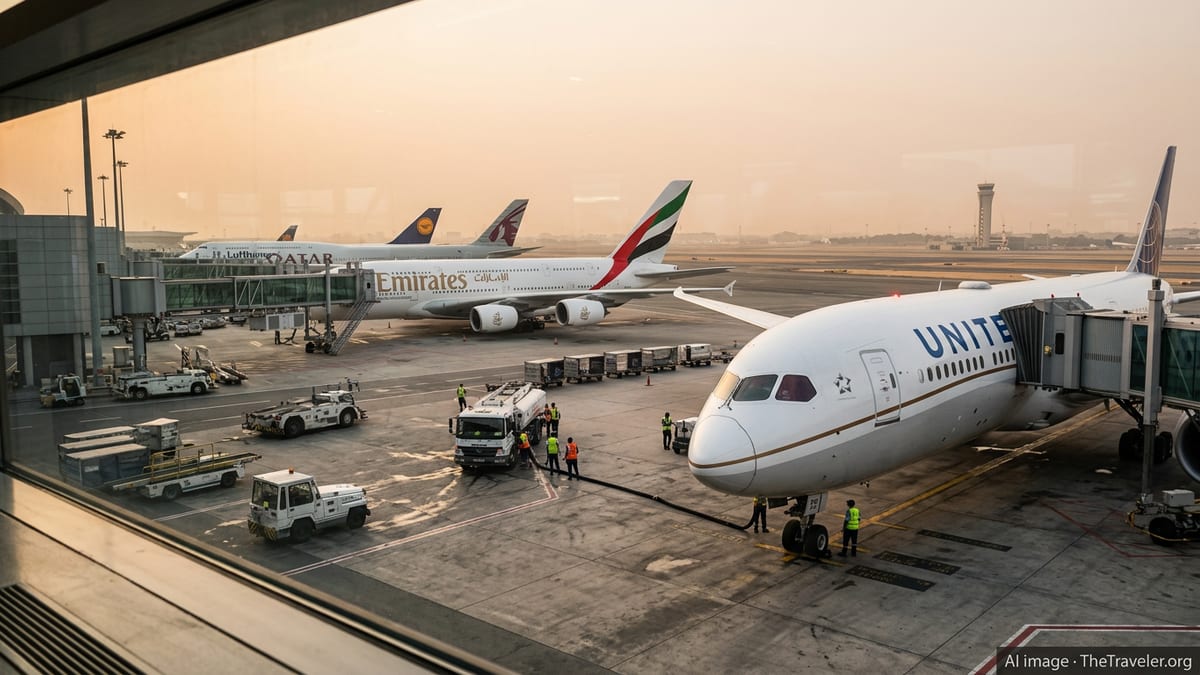
Fuel Costs Surge as Geopolitics Tighten the Screws
Jet fuel has returned to the center of the aviation cost storm, with benchmark prices climbing sharply in recent months alongside broader oil market volatility linked to conflict in the Middle East and Iran. Industry analysis indicates that global jet fuel prices have risen by more than 70 percent since the start of the Iran war, while some spot markets have seen even steeper spikes.
Fuel is typically one of the two largest operating expenses for airlines, often accounting for about one third of total costs, according to industry and financial data. When prices climb quickly, carriers struggle to adjust because tickets are sold months in advance and many costs beyond fuel remain fixed.
Recent commentary highlighted by outlets such as Axios and the Los Angeles Times notes that executives at major network airlines expect the latest jump in fuel prices to have a meaningful impact on financial results. Some budget carrier leaders in Europe have publicly warned that sustained prices around 150 dollars per barrel for jet fuel could push weaker airlines toward consolidation or even failure.
The International Air Transport Association’s economic reports show that even in relatively profitable years, global net margins remain thin, often around 3 percent. With such narrow buffers, a sudden fuel spike quickly erodes earnings and constrains airlines’ ability to invest in new aircraft, customer experience upgrades and sustainability projects.
Airlines Respond With Higher Fares, New Fees and Tighter Networks
As fuel bills climb, airlines are moving quickly to pass at least part of the cost to travelers. Publicly available pricing data and recent coverage in outlets including the Los Angeles Times suggest that base airfares on many routes have been edging higher ahead of the peak summer season, particularly on transatlantic and long haul services where fuel makes up a larger slice of the cost per seat.
At the same time, reports from travel analysts and consumer sites point to growing use of so called carrier imposed surcharges. These add ons, which often originated as fuel surcharges, can be adjusted more flexibly than published fares and are increasingly visible not only on paid tickets but also on award bookings made with frequent flyer miles.
Some airlines are also trimming capacity to reduce their exposure. Coverage from business and aviation outlets describes routes with marginal demand being cut or downgraded to smaller aircraft, especially on fuel hungry long haul and ultra low cost services. In Europe, industry commentary suggests that sustained high fuel prices could accelerate consolidation, with smaller or weaker carriers seeking mergers, equity injections or strategic partnerships.
For travelers, the near term effect is a more expensive and less flexible marketplace. Fewer frequencies, tighter schedules and higher change fees are becoming more common, particularly on leisure heavy routes where demand remains strong but price sensitivity is high.
Low Cost Carriers and Travel Brands Feel the Squeeze
The jet fuel shock is hitting low cost carriers especially hard. Budget airlines typically operate on thinner margins and depend on high aircraft utilization and low unit costs to keep fares attractive. With fuel surging, their ability to stimulate demand with bargain tickets is constrained, while customers remain highly price sensitive.
Bankruptcy proceedings and restructuring plans at several ultra low cost airlines highlight how sustained volatility in fuel prices can compound existing financial stress. Court filings and restructuring documents reviewed in recent coverage of the US and European markets describe how rapid increases in fuel costs and occasional supply disruptions have had a material adverse impact on business models built around dense, short haul flying.
Travel brands that sit adjacent to airlines are also adapting. Online travel agencies and fare comparison platforms report that customers are increasingly searching flexible dates and nearby airports in an effort to dodge fuel driven price spikes. Many are promoting packages that bundle flights with hotels or rail segments, making it easier for travelers to pivot to alternative routes or modes if airfares on particular corridors become prohibitive.
Corporate travel managers, meanwhile, are reevaluating their air contracts and budget forecasts. Industry surveys from consultancies and financial institutions indicate that rising fuel costs, combined with broader inflation, are pushing many companies to cap premium class travel, favor virtual meetings where possible, and shift some short haul journeys to rail.
Hedging, Fleet Renewal and Capacity Discipline
Behind the scenes, airlines are turning to financial and operational levers to manage the jet fuel crisis. Fuel hedging programs, which allow carriers to lock in prices or cap their exposure to spikes, are receiving renewed attention after several years in which many airlines had scaled them back. Recent industry analysis shows that hedging premiums have risen sharply for carriers with large forward positions, but the protection can still be valuable when markets move rapidly higher.
On the operational side, airlines are leaning into capacity discipline. Advisory firms and airline earnings presentations suggest that instead of chasing market share at any cost, many carriers are trimming unprofitable flying, focusing on core hubs and redeploying aircraft to routes with stronger demand and better yield. This approach can help offset fuel inflation by improving unit revenues and reducing the share of empty seats.
Fleet renewal is another critical lever. Airlines with access to newer, more fuel efficient aircraft are accelerating the retirement of older jets, particularly models known for higher fuel burn. Industry case studies and government filings describe carriers shedding aging single aisle and widebody aircraft as leases expire, even if it means slower near term growth, in order to cut long term exposure to fuel price swings.
Airport operators and tourism boards are monitoring these moves closely, as reduced capacity or downgauged aircraft can affect visitor numbers and local economies. Public meeting materials from air service development committees in North America show that airports are tracking jet fuel price trends and building more conservative traffic forecasts for 2024 and 2025.
Sustainability Push Gains Momentum as a Strategic Hedge
The latest fuel shock is also accelerating interest in alternative technologies that could reduce airlines’ dependence on conventional kerosene. Sustainable aviation fuel, which can be produced from feedstocks such as waste oils, agricultural residues and captured carbon dioxide, remains a small fraction of global jet fuel supply but is drawing significant new investment.
In 2024, major manufacturers and energy companies announced sizeable purchases and funding rounds tied to sustainable aviation fuel production, including large blended SAF purchases for corporate flight operations and hundreds of millions of dollars in financing for new synthetic fuel facilities in the United States. Government progress reports under initiatives such as the Sustainable Aviation Fuel Grand Challenge in the US outline efforts to scale production and reduce costs over the remainder of the decade.
At the same time, high fuel prices are reviving interest in radically more efficient aircraft designs. Recent reporting has highlighted startups working on blended wing body airframes that could cut fuel burn significantly compared with today’s tube and wing jets. These projects remain long term and capital intensive, but the economic case strengthens each time conventional fuel costs spike.
For the wider travel industry, the intersection of fuel economics and climate policy is becoming central to long term planning. IATA’s updated net zero roadmaps emphasize that there is no single solution, and that a mix of sustainable fuel, new aircraft technology, air traffic management improvements and demand measures will be needed. The current jet fuel crisis is underscoring that decarbonization is not only an environmental imperative but also a financial hedge against repeated fossil fuel shocks.