

More news on this day
Abrupt spikes in jet fuel prices following the latest phase of the Iran conflict are triggering fresh turbulence for travelers worldwide, as airlines rush to contain soaring operating costs through higher fares, new surcharges and trimmed schedules.
Get the latest news straight to your inbox!
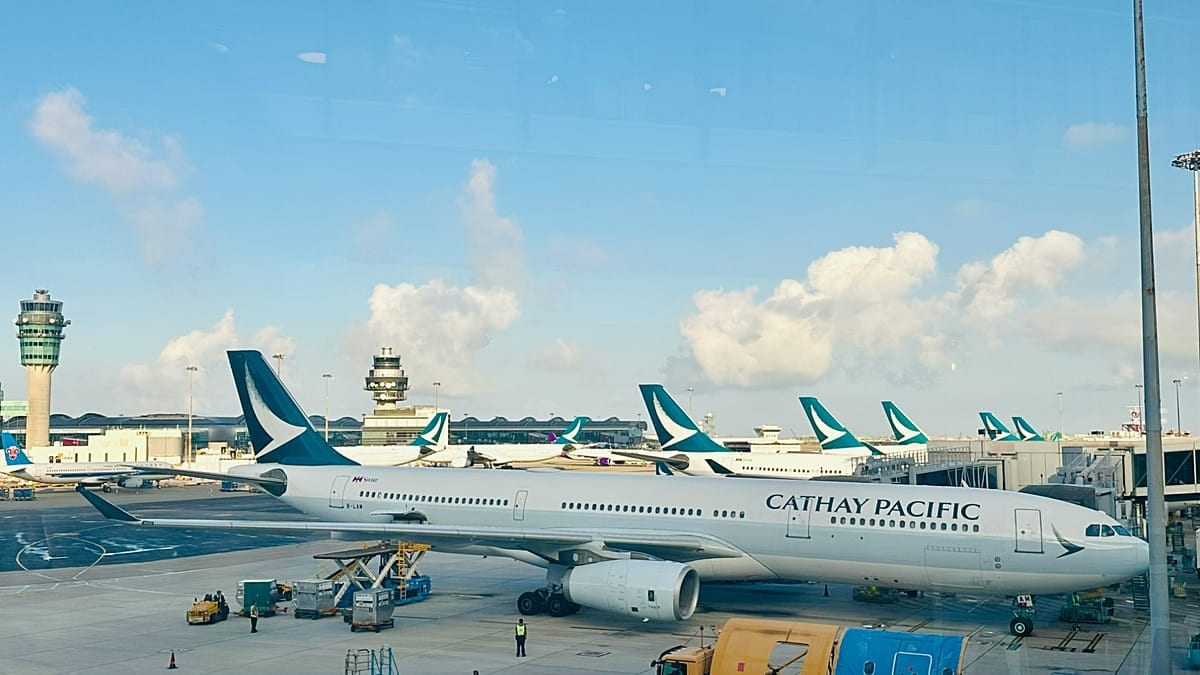
Jet Fuel Costs Soar After Iran Conflict Escalation
Publicly available economic assessments indicate that the 2026 Iran war and related disruption in the Strait of Hormuz have more than doubled the price of kerosene-based fuels such as jet fuel compared with pre-conflict levels. Analysts point to refinery bottlenecks and constrained crude supplies as key factors, with some refineries unable to source the specific grades of oil needed for aviation fuel production.
Industry data compiled by global aviation bodies show that the jet fuel crack spread, which measures the difference between crude oil and jet fuel prices, widened sharply through the first quarter of 2026 and into early summer. Recent chartbooks and fuel monitors describe one of the most expensive fuel environments aviation has faced since the post‑pandemic recovery period, with week-to-week moves above 10 percent during parts of March.
Market briefings on the oil crisis surrounding the Iran conflict report that since late February 2026, the cost of oil and jet fuel has climbed rapidly, driving a renewed wave of cost pressure across airlines. Fuel is typically one of the largest single operating expenses for carriers, so sudden surges of this scale are quickly transmitted into pricing decisions, capacity plans and network choices.
Warning notes from airline trade groups over recent weeks highlight concerns not only about price but also about the physical availability of jet fuel in some regions. Reports on potential shortages, particularly in parts of Europe and the Middle East, indicate that carriers are closely monitoring supply security and factoring higher risk premiums into their cost calculations.
Global Travel Disruption as Airlines Trim Routes and Capacity
As fuel bills spike, airlines are adjusting schedules and networks in real time, contributing to what travelers are experiencing as a new phase of global travel disruption. Economic impact analyses of the Iran war describe widespread rerouting through alternative corridors between Africa, Europe and Asia after sections of airspace were closed or deemed commercially unviable. Longer routings typically require more fuel, further amplifying cost pressures.
Some carriers are responding by reducing frequencies on marginal routes, delaying planned seasonal launches, or suspending services on thinner long‑haul city pairs. Industry outlooks published in June 2026 foresee a tightening of capacity on select transcontinental and transpacific markets during the second half of the year, particularly where fuel-intensive widebody operations must contend with elevated prices.
In addition, concerns about actual fuel availability are influencing operations at certain hubs. Commentaries from energy and aviation analysts suggest that parts of Europe could face intermittent kerosene shortages during the peak summer season if refinery and logistics constraints persist. Any localized shortage can quickly cascade through airline networks, prompting last‑minute equipment swaps, payload restrictions or cancellations.
These operational adjustments feed directly into the traveler experience. Reduced capacity on popular routes, combined with steady or rising demand for summer and early autumn travel, increases the likelihood of full flights, fewer low fares and limited flexibility for rebooking when irregular operations occur.
From Fuel Surcharges to Dynamic Fares: How Price Hikes Are Being Hidden
While many travelers are aware that airfares have risen, the mechanics of how higher fuel costs translate into ticket prices are often less visible. Aviation economics summaries show that global passenger ticket yields, a measure of revenue per passenger-kilometer, have been rising in tandem with jet fuel benchmarks in 2026, though the link is not one-to-one and varies by region and business model.
Some airlines outside the United States continue to rely on explicit fuel surcharges that are listed separately from the base fare. Specialist loyalty and frequent‑flyer publications have tracked a series of increases to these surcharges since early 2026, noting that certain carriers have doubled long‑haul fuel surcharges within a matter of weeks. A recent bulletin from a major Asian airline group, for example, announced a higher fuel surcharge band for international tickets issued in July and August, citing elevated Singapore kerosene prices in April and May.
Elsewhere, the impact of higher fuel is emerging more subtly through dynamic pricing. Reporting by business media in late June 2026 indicates that domestic U.S. airfares have climbed more than 20 percent since early 2025, outpacing international increases. Analysts quoted in that coverage link part of this acceleration to fuel costs, particularly as airlines adjust algorithms and revenue management strategies to anticipate higher future expenses at the time of booking.
In markets where regulators limit or scrutinize surcharges, airlines are turning to other levers. Public reports describe hikes in baggage fees, changes to fare families and tighter restrictions around lower‑priced inventory classes. These measures effectively spread fuel-related costs across ancillary revenues, making it more difficult for passengers to isolate how much of a ticket price is directly attributable to jet fuel.
Travelers Face Uneven, Often Opaque Cost Increases
For travelers, the current environment is producing a patchwork of visible and hidden price changes depending on route, airline and booking channel. Loyalty and travel‑hacking communities have documented cases in which taxes and surcharges on long‑haul award tickets have risen sharply in recent months, even when the number of miles required has not changed. Because these additional charges often appear as carrier‑imposed fees or vaguely labeled surcharges, they can be difficult to compare with past itineraries.
Regular economy passengers are encountering a different pattern. Fare data aggregated by several search engines, and highlighted in recent financial press coverage, suggest that average domestic ticket prices in major markets are climbing faster than many travelers anticipated, while promotional sales have become more tightly targeted or shorter in duration. Industry analysts point out that airlines are prioritizing yield on capacity‑constrained routes to offset higher per‑flight fuel bills.
The situation is complicated further by regional policy responses. In some jurisdictions, consumer protection bodies are reminding airlines that retroactive fuel surcharges cannot be added after a ticket has been issued, reinforcing the principle that fuel risk is a normal part of airline business. Yet new surcharges and higher fare levels remain permitted on future bookings, provided they are disclosed at the time of purchase.
Travelers, in effect, are being asked to navigate an increasingly complex pricing landscape where sticker fares, ancillary fees and opaque surcharges all move in response to the same underlying shock. Without a single transparent fuel line item across the industry, it can be challenging to calculate how much of any given increase is linked specifically to the 2026 jet fuel spike.
Outlook: High Fuel, Tighter Margins and a Volatile Booking Environment
Recent global outlooks for air transport published in June 2026 project that the industry will remain profitable in aggregate this year but with significantly compressed margins compared with prior forecasts. Jet fuel is central to that revision. Even with hedging strategies and efficiency gains, many airlines are now working with cost assumptions that change week by week as fuel monitors update.
Aviation consultancies tracking the conflict‑driven oil shock emphasize that the pace of change, rather than the absolute price level alone, poses particular challenges. Sudden swings complicate everything from seasonal schedule planning to fleet deployment, and leave less room for promotional pricing campaigns that might otherwise stimulate demand.
For travelers, that translates into a booking environment that is both more volatile and less forgiving. Analysts commenting in recent industry and business coverage broadly advise that fares are unlikely to ease significantly in the near term while the Iran conflict and Strait of Hormuz disruptions continue to unsettle global fuel markets. Airline executives and trade groups have repeatedly signaled that cost discipline will remain a priority through at least the upcoming peak travel seasons.
Unless jet fuel prices retreat meaningfully or stabilize at a lower level, the pattern emerging in mid‑2026 points toward a sustained period of elevated airfares, expanding surcharges and selectively reduced capacity. The result is a global travel landscape where fuel costs, once a distant line on an airline balance sheet, are again shaping everyday decisions about where, when and whether people fly.