


More news on this day
Major airlines across North America and Europe are locked in a growing stand off over ticket prices, holding firm on elevated fares even as fuel costs ease and signs of softer demand emerge in key markets.
Get the latest news straight to your inbox!
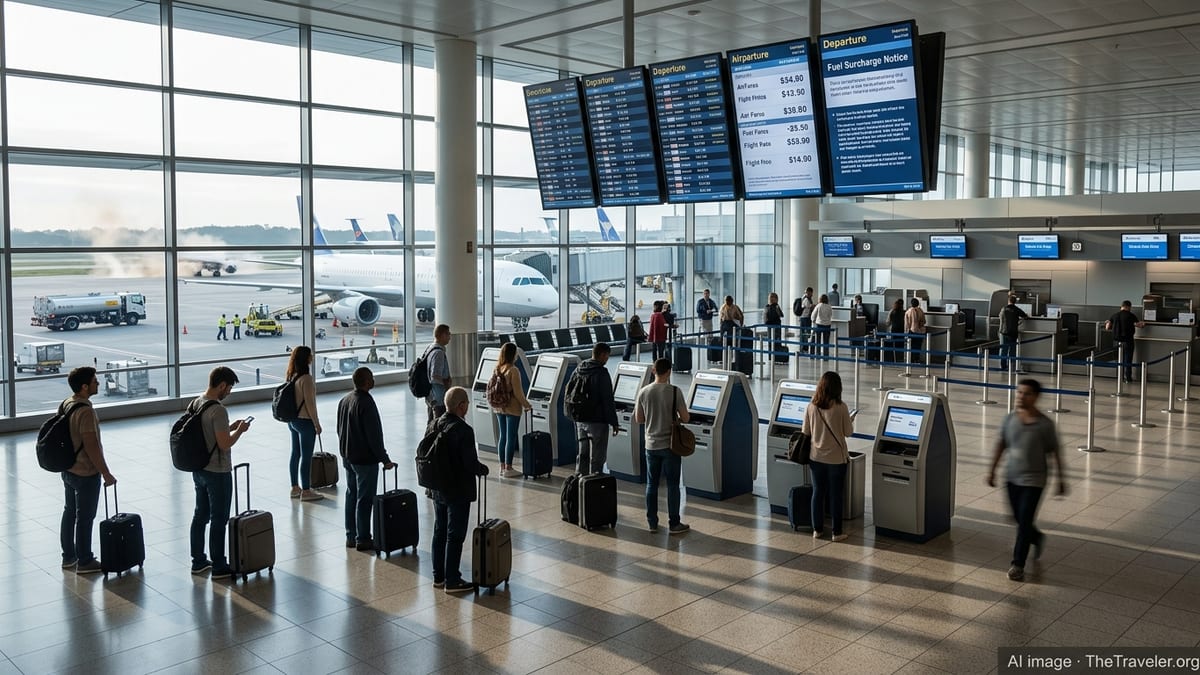
Carriers Hold the Line Despite Softer Costs
Publicly available earnings call transcripts and industry commentary indicate that many large carriers have lifted average fares significantly over the past two years, citing higher fuel costs, labor contracts and aircraft shortages. Even as jet fuel prices have moderated from their peaks, executives at several airlines have suggested that headline fares are unlikely to return to pre surge levels in the near term.
In recent months, comments highlighted in financial and aviation media show airline leaders arguing that any relief in fuel bills is being offset by wage increases, airport charges and the cost of renewing fleets. Analysts note that carriers are also seeking to rebuild balance sheets after years of pandemic era losses, using stronger pricing to restore margins.
Travel search data referenced in recent coverage points to domestic economy fares that remain materially higher than a year earlier, while many international routes have held steady at elevated levels. Industry consultants say that as long as aircraft continue to depart with high load factors on popular routes, airlines have little incentive to cut ticket prices aggressively.
Capacity Cuts and a Reluctance to Spark Fare Wars
Rather than trimming fares to stimulate additional demand, a number of airlines are choosing to adjust capacity. Schedules for the peak summer period in markets such as India, Europe and North America show selective reductions, particularly on thinner or overlapping routes where yields have softened.
Recent schedule updates reported by aviation tracking services include double digit cuts to frequencies at some budget and hybrid carriers, alongside targeted cancellations of long haul services that have underperformed. In the United States, network airlines have also reworked domestic flying to prioritize routes with strong corporate and premium leisure demand.
Aviation analysts describe this pattern as a clear signal of a stand off. Rather than engaging in broad based discounting that could trigger a fare war, airlines are prepared to remove flights or down gauge aircraft to keep planes full at higher average prices. Observers point out that the industry has consolidated significantly over the past two decades, which reduces the number of competitors willing or able to undercut rivals on price to grab market share.
Low Cost Carriers Under Pressure on Both Sides
The pricing stalemate is particularly acute for ultra low cost carriers, which built their business models on undercutting legacy rivals. Recent financial disclosures and restructuring discussions at some budget airlines show the strain of trying to keep base fares low while facing the same fuel and labor pressures as larger competitors.
Reports from aviation focused outlets describe route withdrawals, deferred aircraft deliveries and aggressive cost cutting at several discount operators in North America and Europe. Where these carriers have trimmed capacity or exited routes entirely, analysts warn that remaining competitors often move quickly to raise fares, reducing the availability of the very lowest price tickets.
At the same time, some low cost airlines have begun to pivot away from their traditional bare bones model, introducing bundled fares that include services once sold separately. Industry commentators note that this shift can lift overall revenue per passenger but may also blur the price gap with full service rivals, limiting the downward pressure on headline ticket prices.
Dynamic Pricing and the Rise of Algorithmic Fares
Behind the scenes, the stand off over ticket prices is increasingly being managed by sophisticated revenue management systems. Major carriers are investing heavily in artificial intelligence driven tools designed to adjust fares in real time based on booking curves, customer profiles and competitive data.
Investor presentations and technology announcements show airlines moving away from rigid fare classes toward more personalized pricing, where what a traveler pays can vary significantly from the person in the next seat. Proponents argue that this approach allows carriers to match willingness to pay more precisely, filling planes while protecting revenue on high demand itineraries.
Consumer advocates and some economists caution that greater pricing complexity can make it harder for passengers to recognize when a genuine discount is on offer. They suggest that in an environment where most major airlines use similar tools, competitive pressure to cut fares may be muted, since any single carrier that lowers prices sharply risks an immediate, algorithm driven response from rivals.
Regulators and Travelers Watch for Signs of Relief
The persistence of high fares has drawn political and regulatory attention in several jurisdictions. Competition authorities and transport regulators have opened or revisited reviews into airline mergers, joint ventures and pricing practices, amid concerns that reduced rivalry could entrench elevated ticket prices on key routes.
Policy debates reported in national media have focused on how to balance the financial stability of airlines with consumer protection. Proposals have ranged from greater transparency around fees and ancillary charges to stricter oversight of alliances that dominate specific city pairs. Some academic research has suggested that a more fragmented industry structure can increase the chances of fare cutting, though policymakers have stopped short of prescribing specific market shares.
For travelers, the current stand off means that shopping around and being flexible on dates and airports remains critical to finding lower prices. Travel search platforms report that passengers are increasingly willing to adjust travel plans, fly at off peak times or consider secondary airports to avoid the highest fares. Until demand cools more decisively or a new round of competition emerges, the balance of power in the airfare equation appears to remain with the airlines.