


More news on this day
A Jet2 flight operating as LS 3643 from Bournemouth to Las Palmas reportedly diverted mid‑flight and carried out an emergency landing, disrupting holiday plans for passengers and drawing renewed attention to how airlines handle in‑air incidents on busy leisure routes.
Get the latest news straight to your inbox!
Mid‑Air Diversion Interrupts Bournemouth–Canaries Holiday Route
According to flight‑tracking data and early media coverage, Jet2 service LS 3643 departed Bournemouth bound for Las Palmas on the popular Canary Islands leisure corridor before the crew elected to divert while en route. Publicly available information shows the aircraft broke off its planned southbound track and headed for an alternate airport, where it made an emergency landing.
Reports indicate the diversion occurred after the aircraft had already settled into its cruise segment, with passengers expecting a routine three‑to‑four‑hour hop to Gran Canaria. Instead, the sudden change of course led to an unplanned arrival at an intermediate airport so the crew could respond to an in‑flight issue.
Initial accounts circulating on aviation forums and social media suggest the diversion was precautionary in nature, consistent with standard commercial aviation practice in Europe when crews identify a technical concern or potential medical problem on board. Full details of the underlying cause had not been formally clarified at the time of writing.
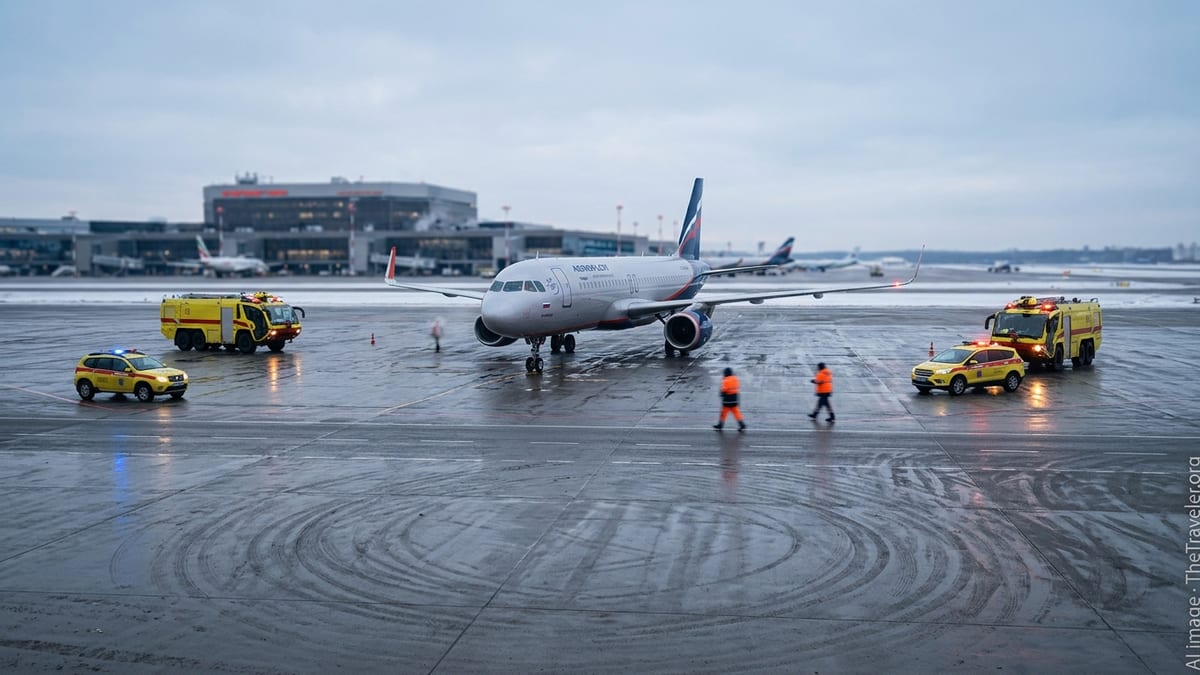
Despite the disruption, tracking data and images shared online indicate that the aircraft touched down safely at the diversion airport, where it was met by ground emergency services in line with normal response protocols for an inbound aircraft that has declared an emergency.
Passengers Face Delays as Airline Activates Contingency Plans
For holidaymakers heading from the south of England to the Canary Islands, the diversion meant an abrupt pause to the start of their trip. Travelers on LS 3643 found themselves disembarking at an unscheduled airport, navigating unfamiliar terminals, and waiting for updates about onward travel options to reach Las Palmas.
Based on previous cases involving similar Jet2 diversions on other routes, passengers can typically expect a mix of solutions, from rebooking on later flights to hotel accommodation when delays stretch into the night. Observers following LS 3643 reported that ground handling teams and the airline moved to reorganize transport while the aircraft and its crew were assessed.
Publicly available information on comparable Jet2 incidents in recent days shows the carrier often arranges alternative flights or replacement aircraft when an unscheduled landing disrupts a rotation. In many cases, affected passengers are offered re‑routing at no extra cost and, depending on the length and cause of the delay, access to meals or overnight stays in line with European passenger‑rights rules.
On leisure‑focused routes like Bournemouth to Las Palmas, such delays can have a knock‑on effect for hotel check‑ins, ground transfers, and package itineraries. Travel industry commentators note that tour operators and airlines generally coordinate to protect onward arrangements as far as possible when a disruption is linked to safety‑related decisions by the flight crew.
Safety Procedures Under Scrutiny After Recent Jet2 Diversions
The LS 3643 diversion comes against a backdrop of heightened public attention on Jet2 operations after a separate, widely reported emergency landing involving the airline on a Tenerife to Birmingham service in late May. In that case, coverage in European and UK outlets described how a Jet2 aircraft diverted to Porto after one of the pilots became unwell, with the co‑pilot completing an emergency landing.
Aviation analysts point out that, taken together, these events illustrate how multiple safeguards are built into commercial flying. Crews are trained to divert at the earliest safe opportunity when facing technical alerts, medical issues among passengers or crew, or other operational concerns. Industry observers also stress that emergency landings and diversions, while unsettling for those on board, are designed outcomes of conservative safety policies rather than signs of systemic failure.
Scheduled data for Bournemouth shows that Jet2 has expanded its base at the airport in recent seasons, adding routes across Spain and the Canary Islands. With that growth has come an increase in overall flight movements, which naturally raises the statistical likelihood that some journeys will be affected by medical incidents, disruptive passengers, or technical cautions that trigger unscheduled landings.
Specialists note that European regulators require operators to report and investigate such occurrences, particularly where an aircraft declares an emergency, alters its route, or lands with emergency services on standby. Findings from those processes can lead to changes in procedures, maintenance programs, or crew training, although most individual events are resolved without long‑term impact on the route network.
What We Know So Far About LS 3643
As of the latest updates available, LS 3643 completed its emergency landing without reported injuries to passengers. Publicly accessible tracking feeds recorded the aircraft descending steadily toward its diversion field and then exiting the runway under its own power, suggesting that any issue identified by the crew did not compromise control of the aircraft.
Information shared by passengers online points to a period of uncertainty in the cabin as the route change unfolded, followed by a normal landing sequence. In line with common practice in such situations, cabin crew are understood to have secured the cabin for landing earlier than usual and prepared travelers for the possibility of emergency vehicles positioned alongside the runway.
Published coverage of the incident emphasizes that commercial aircraft such as the type used by Jet2 on its Bournemouth services are certified to continue safe flight and landing even in the presence of certain technical faults, and are routinely diverted as a precaution. Where a suspected medical issue is involved, diversion choices are shaped by proximity to suitable airports with medical facilities and by weather and traffic conditions at potential alternates.
Further details about the exact cause of the LS 3643 diversion are expected to emerge through official reporting channels and follow‑up statements from industry bodies. For now, analysts underline that the safe completion of the emergency landing is the key outcome for the passengers and crew who set out on what was meant to be a straightforward escape to the sun from Bournemouth.
Growing Canary Islands Demand Keeps Focus on Reliability
The Bournemouth to Las Palmas route has become a cornerstone of Jet2’s presence on the south coast, serving a steady flow of UK holidaymakers heading to Gran Canaria’s resorts year‑round. Airport scheduling documents and airline announcements over the past year highlight the Canary Islands as a strategic market, with Jet2 operating multiple routes from regional airports into Las Palmas, Tenerife, Lanzarote, and Fuerteventura.
That rising demand places additional emphasis on operational reliability, particularly during peak holiday periods when aircraft and crews are tightly scheduled. Industry watchers remark that events like the LS 3643 diversion can temporarily unsettle traveler confidence, but also demonstrate the resilience of airline and airport systems built to absorb irregular operations.
Travel consultants contacted in recent months about similar diversions have advised passengers to expect occasional disruptions when flying to sun destinations, especially during the busy summer season, and to factor in flexible transfer and check‑in arrangements at hotels. They also note that comprehensive travel insurance and clear communication from tour operators can reduce the practical impact when a flight ends up at an unexpected airport.
For Bournemouth Airport and Jet2, the LS 3643 incident is likely to reinforce ongoing efforts to streamline how diverted flights are handled, how quickly information reaches passengers and their families, and how fast disrupted journeys to the Canary Islands can be put back on track.