


More news on this day
Extra-legroom economy is quietly evolving from a simple seat upgrade into a near-premium experience, as JetBlue, Etihad Airways and Qatar Airways refine high-pitch economy products that challenge the value of traditional premium economy cabins.
Get the latest news straight to your inbox!
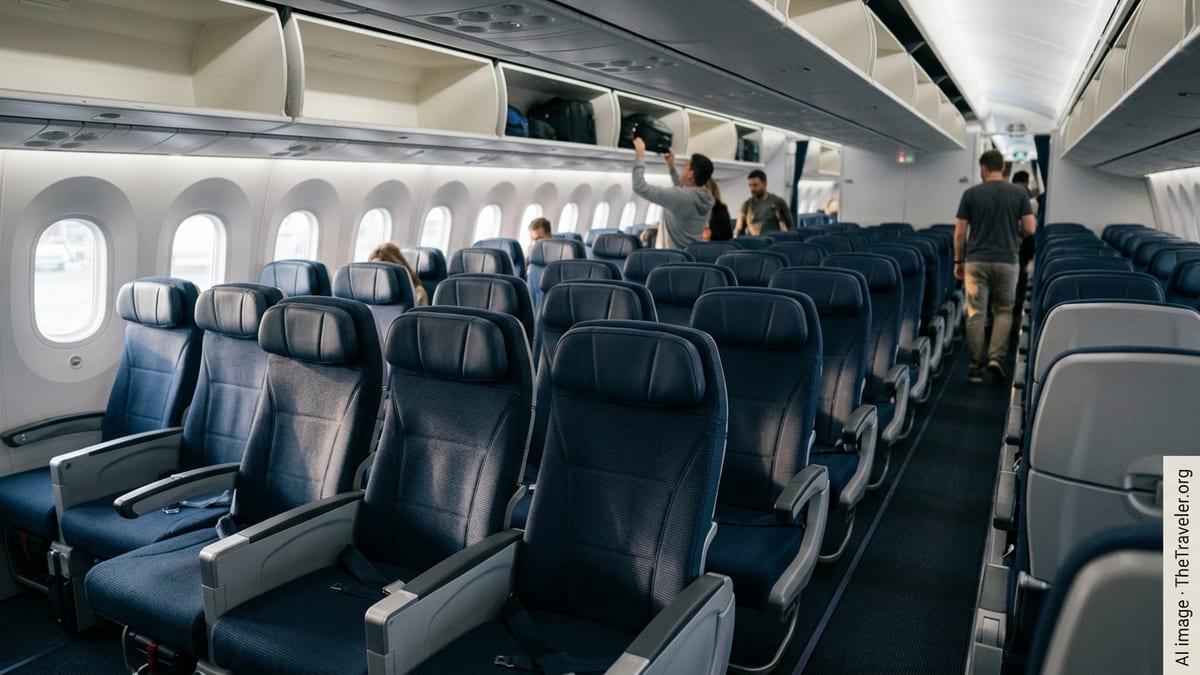
Seat Pitch That Rivals Premium Economy
For years, the main selling point of premium economy has been a few additional inches of legroom over standard coach. Now, several carriers are pushing their extra-legroom economy seats into the same territory. On many JetBlue aircraft, Even More Space seating offers around 34 to 38 inches of pitch, compared with roughly 32 to 33 inches in the rest of the core cabin, depending on the aircraft type. Publicly available seat maps and independent cabin guides indicate that exit-row Even More Space seats can reach the upper end of that range, narrowing the gap with many dedicated premium economy products on legacy airlines.
Etihad Airways has taken a similar path on select long-haul aircraft. Earlier branding under the Economy Space label emphasized an extra four inches of legroom over standard economy, bringing pitch on some Airbus A350 and other widebody configurations to about 35 inches behind the business cabin. More recent policy updates show that these seats are now grouped under a broader “extra legroom,” exit row and bulkhead category, but the core dimensions remain consistent with a quasi-premium layout.
Qatar Airways does not operate a separate premium economy cabin, instead layering an Economy Comfort fare on top of its standard offering. Published guidance shows that travelers in the higher economy fare buckets can lock in preferred seating and extra-legroom options where available, often in mini-cabins toward the front of the economy section. For taller travelers, the result is seat pitch comparable to what dedicated premium economy offered a decade ago, but within the economy cabin structure.
Fare Structures Blur the Line With Premium Cabins
The commercial strategy behind these seats is increasingly clear. JetBlue positions Even More Space and its refreshed EvenMore-branded experience as an upsell within the airline’s all-economy “Core” cabin on most flights, short of its separate Mint business-class product. The airline’s seat information and upgrade pages describe Even More Space and EvenMore not only in terms of additional legroom but as a distinct onboard experience layered onto the base economy fare.
Industry analyses of North American premium products note that the highest-pitch Even More Space rows can match or exceed the legroom offered in some U.S. premium economy cabins, while remaining classified as economy for booking and mileage purposes. That makes these seats a revenue lever for JetBlue, capturing customers who are willing to pay more for comfort but not for a full step up to Mint or a competing carrier’s premium economy.
Etihad and Qatar Airways apply a similar logic with their extra-legroom and forward mini-cabin seats. Etihad’s internal guidance to trade partners highlights paid upgrades to extra-legroom, exit-row and bulkhead seats as one of several ancillary options available in economy, while Qatar Airways structures its Economy Lite, Classic, Convenience and Comfort fares so that only the higher tiers include advance access to preferred seating. According to consumer-facing fare descriptions, that approach nudges travelers toward more flexible, higher-yield tickets when they value space and seat selection.
Perks Go Beyond Just Space
What distinguishes these products from the extra-legroom rows of a decade ago is the bundle of soft benefits attached. JetBlue’s EvenMore-branded experience combines increased pitch with earlier boarding and, on many flights, priority security access at select airports. The carrier’s published material also notes dedicated overhead bin space and, on longer routes, upgraded snack and beverage options for these seats. For some travelers, those service elements are as important as the extra inches between seat rows.
Premium economy on full-service competitors often adds wider seats and enhanced dining, but the incremental soft-product differentiation has narrowed. Reports comparing legroom-focused upgrades on Gulf carriers note that Etihad’s extra-legroom and bulkhead economy seats share the same basic seat shell and width as the rest of economy, yet they offer more recline and space in key rows. Qatar Airways layers priority seat selection and favorable cabin locations onto its higher economy fares, cultivating a quieter environment at the front of the cabin that feels closer to premium than to the back of the plane.
These evolving bundles highlight how airlines are unbundling the traditional premium economy proposition into separate levers: hard-product space, service enhancements and ticket flexibility. Travelers who prioritize legroom and boarding position can increasingly purchase just those elements without paying for the full premium economy package.
Pricing Pressures and Value Calculus for Travelers
As costs rise across the industry, extra-legroom economy has become a key tool for managing yields without alienating price-sensitive passengers. Travel media coverage and user reports show that surcharges for extra-legroom seats on JetBlue, Etihad and Qatar can vary significantly by route and demand, with some long-haul sectors pricing the upgrade close to what a mid-tier premium economy seat might cost on rival carriers.
This dynamic forces travelers into a more nuanced value calculation. On routes where premium economy on another airline offers a substantially wider seat, enhanced catering and checked baggage, a modest step-up from an extra-legroom economy fee to a true premium cabin may make sense. On the other hand, when legroom is the primary concern and cabin width and meal service are secondary, high-pitch economy products like JetBlue’s Even More Space, Etihad’s extra-legroom rows and Qatar’s preferred seating options can deliver much of the comfort at a lower overall fare.
Analysts note that this middle ground is likely to expand as airlines refine fare families and cabin segmentation. With more granular control over seat fees and perks, carriers can target multiple price points between basic economy and business class, often without installing a separate premium economy cabin. For now, JetBlue, Etihad and Qatar Airways illustrate how extra-legroom economy, once a simple bolt-on feature, is becoming a strategically important alternative to premium economy for travelers willing to pay for comfort but not for a full class upgrade.
JetBlue seat and upgrade information
Etihad Airways economy seating policy update
Qatar Airways preferred and extra-legroom seating
Independent comparison of extra-legroom and premium economy seats